Pro Tips & Projects
Smart fixes. Real projects. Straight talk from your local pros.
Keeping a home running smoothly is a full-time job — and most people don’t have the time, the tools, or the patience to figure it all out. That’s where we come in.
Welcome to your go-to hub for expert tips, real project breakdowns, money-saving strategies, and homeowner how-tos — all written in clear, real-world language, never contractor-speak.
Whether you’re trying to stay ahead of problems, plan a remodel, or avoid getting ripped off, you’ll find exactly what you need right here… from pros who do this every day.
No fluff. No guesswork. Just straight-up help you can use.
What You’ll Find Here:
Pro Tips to extend the life of your home
DIY-Friendly Fixes anyone can handle safely
Project Breakdowns from real jobs we've completed
Money-Saving Advice to avoid costly mistakes
Before & After Transformations to spark ideas
Seasonal Checklists to keep your home in top shape
Need Personalized Advice?
If you ever want help with a repair, a renovation idea, or just a second opinion, we’re only a message away.
Post-Winter Pitfalls: 3 Mistakes Salt Lake Valley Homeowners Make (Part 1)
Hey there, Salt Lake Valley! It’s early March, and while we’re all starting to see a little more sun and a lot less slush, this is the time of year when your home’s "winter scars" start to show.
Winter in Utah isn’t just about shoveling driveways; it’s about the silent stress the ice and snow put on your house. We see it every year from Herriman to West Valley City: homeowners wait until summer to check their exteriors, only to realize a small winter issue has turned into a massive spring headache.
To help you stay ahead of the game, I’m breaking down the six biggest post-winter pitfalls into a two-part series. Today, we’re looking at the first three heavy hitters.
1. Ignoring Gutter Debris and Ice Dam Damage
When water on your roof refreezes along the roof edge above the gutters, it creates ice dams. These aren't just pretty icicles; they are heavy blocks of ice that can bend your gutters, pull them away from the fascia, or cause water to back up under your shingles.
Once the thaw hits, those gutters get filled with "roof grit," those tiny granules from your shingles, and leftover fall leaves you might have missed. If your gutters are sagging or clogged, water won't flow away from your house. Instead, it spills over the side and pools right at your foundation. Whether you’re looking for home repair in Salt Lake or just need a quick gutter tune-up, getting these cleared now is much cheaper than dealing with water intrusion later in the spring.
2. Forgetting the Sprinklers and Exposed Pipes
It happens to the best of us. Maybe you didn't get the full blowout done in time, or perhaps a late-season freeze caught a frost-free hose bib off guard. Now that things are warming up, it’s time to look for cracked sprinkler heads and exposed pipes that might have hairline fractures.
If you have an outdoor sink or a secondary water line in Magna or Riverton, give it a close look. Even a tiny crack in a plastic sprinkler head can waste a surprising amount of water over the course of a season once you flip the system back on. If you’re searching for a handyman in Sandy, Utah to help audit your exterior plumbing before the watering season starts, we’ve got you covered.
3. Missing the Hairline Foundation Cracks
The "Freeze-Thaw" cycle is the ultimate enemy of concrete. Water gets into tiny pores, freezes (and expands), then thaws (and shrinks). This happens hundreds of times over a Utah winter. This cycle can widen tiny imperfections in the concrete into visible hairline cracks.
Walk around the perimeter of your home. If you see new cracks or notice old ones have widened, don't ignore them. These are invitations for the spring runoff to find its way into your home. Early detection and sealing can save you from a world of hurt. Look for hidden wear spots before they become larger structural or water-intrusion problems.
We’re Here to Help!
Checking for these issues now ensures your home stays solid all year long. As a licensed and insured contractor, we know that effective inspections can save a homeowner thousands.
If you aren't comfortable climbing ladders or crawling around the foundation, give us a call. Your Handyman Pros is your go-to Salt Lake handyman for everything from gutter repair to general home maintenance.
Stay tuned for Part 2 tomorrow, where we’ll talk about deck safety, roof shingles, and the importance of grading!
The Ultimate Guide to Subtle Bathroom Safety: Accessibility Upgrades That Don’t Look "Medical"
When people hear the words "bathroom accessibility," they usually think of sterile white plastic, bulky metal railings, and that cold, institutional hospital vibe. But here’s the thing: making your bathroom safer doesn't mean you have to sacrifice the "spa-like" feel you’ve worked so hard to create.
Whether you’re planning to age in place in your forever home in Sandy or you just want to make sure the guest bath is safe for visiting grandparents, there are plenty of ways to upgrade your space subtly. We call it "stealth safety." Here is how you can level up your bathroom without it looking like a medical suite.
1. The Multi-Tasking Grab Bar
Traditional grab bars are functional, but they can be an eyesore. The modern solution? Integrated hardware. You can now find high-end towel bars, toilet paper holders, and even corner shelves are rated for grab-bar support when properly installed into framing.
By choosing finishes like matte black, brushed gold, or oil-rubbed bronze, these safety features blend right in with your existing decor. If you’re looking for a handyman in Sandy, Utah to swap out those old racks for reinforced versions, we’ve got you covered.
2. Lighting That Works (Without the Glare)
Good lighting is the most underrated safety feature in any home. Dark corners in a wet bathroom are a recipe for a slip. Instead of those old, flickering overhead units or outdated flush mount fixtures, consider adding motion-activated LED strips under your vanity.
When properly installed and rated for damp locations, this "toe-kick" lighting provides a soft glow for those midnight bathroom trips without requiring you to fumble for a switch. It looks incredibly high-end and keeps you from tripping in the dark. If your current setup is looking a bit dingy, check out our tips on subtle signs your home is looking dated.
3. Lever Handles and Textured Tiles
If you’ve ever tried to turn a round door knob with soapy hands, you know the struggle. Replacing standard knobs with sleek lever-style handles is a game-changer for accessibility and looks much more contemporary.
Similarly, floor safety is all about the "grip." You don’t need rubber mats everywhere. Small-format tiles (like penny tiles or mosaics) create more grout lines, which naturally provide more traction. It’s a smart way to perform a home repair in Salt Lake that adds both value and safety.
4. Walk-In Showers vs. Full Remodels
A low-threshold or "curb-less" shower is the gold standard for accessibility. It removes the tripping hazard of a tub wall and makes the bathroom feel twice as large.
At Your Handyman Pros, we handle the essential upgrades: installing those reinforced bars, updating lighting, or fixing minor tile issues. However, if you’re looking to tear out a tub and do a complete floor-to-ceiling spa-like bathroom remodel in Salt Lake City, our sister company, Your Contractor Pros, is the team for the job.
Let’s Make Your Home Safer
From Herriman to Magna and everywhere in between, we love helping our clients stay safe in the homes they love. Don’t wait for a slip to happen. Small, proactive changes are the best way to keep your home functional for everyone.
Whether you need a Salt Lake handyman for a quick fix or a team to help with a variety of ignored safety hazards, give us a shout!
Stay safe out there.
3 Signs Your Home Isn’t Ready for Summer
It’s February 28th here in the Salt Lake Valley, and while we might still be seeing some snow on the peaks, the summer sun is closer than you think. If you’ve lived in Sandy, Riverton, or West Valley City for a while, you know how fast it goes from "light jacket weather" to "crank the AC" season.
Is your home actually ready for the heat? Most homeowners wait until the first 90-degree day to realize something is wrong. At Your Handyman Pros, we’re all about getting ahead of the headache. Here are three signs your home is waving a red flag before summer arrives.
1. Your Energy Bills are Creeping Up (Window Seals)
If you noticed your heating bills were a little higher than usual this winter, don't expect the cooling bills to be any better. Drafty windows are one of the biggest culprits. If the seals around your windows are cracked or peeling, that expensive cold air is going to leak right out into the Utah heat.
Checking your seals is a staple of home repair in Salt Lake. A quick fix now can noticeably reduce energy waste heading into summer. If you’re not sure where the leaks are, a handyman in Sandy, Utah can perform a quick walkthrough to button things up.
2. The HVAC Filter is a Dust Magnet
When was the last time you swapped your air filter? If you have to think about it, it’s probably too long. A clogged filter forces your system to work harder than it should to move air, which increases the risk of overheating or mid-summer performance issues. In the Salt Lake Valley, dust and pollen can gunk up filters fast. Changing these out is the simplest piece of Utah home maintenance you can do to ensure your AC survives August.
3. Your Deck is Looking "Weathered"
Winter in Magna and Herriman is tough on wood. If your deck is showing splinters, loose boards, or the stain is completely gone, it’s not ready for BBQ season. Beyond just looking dated, a worn deck can be a safety hazard.
Whether you need a few boards replaced or a total refinish, getting it done now means you actually get to enjoy it when the weather breaks.
Small Fixes vs. Big Projects
If you’re looking at a list of small repairs like leaky faucets, window seals, or loose trim, Your Handyman Pros is your go-to Salt Lake handyman. We specialize in knocking out those "to-do" lists so you can relax.
However, if your summer plans involve a full kitchen overhaul or building a brand-new custom deck from the ground up, that’s a job for Your Contractor Pros. We handle the big stuff with the same care and quality we bring to the small repairs.
Don't wait for the heatwave to hit. Give us a call and let’s get your home summer-ready!
Seal Now, Save All Spring and Summer
Spring in the Salt Lake Valley is a bit of a rollercoaster, isn't it? One day we’re watching the snow melt off the Oquirrh Mountains, and the next, we’re eyeing our thermostats as the afternoon sun starts to bake the living room. Before we know it, that dry Utah heat will be in full swing, and our AC units will be humming a heavy tune.
But here’s a secret that many homeowners in Sandy, Herriman, and West Valley City overlook: the best way to keep your home cool and your wallet full isn't just about cranking the air: it’s about keeping that air inside.
At Your Handyman Pros, we’re big believers in the "Seal Now, Save All Spring and Summer" strategy. By taking care of those pesky drafts, tiny cracks, and worn-out seals right now, you’re setting yourself up for a much more comfortable (and affordable) season. Whether you need a quick handyman in Sandy, Utah, or a complete home repair in Salt Lake, we’ve got your back.
Why Sealing Matters More Than You Think
When people think of "sealing" a home, they often think of winter. We want to keep the cold out and the heat in, right? But in the Salt Lake Valley, the summer heat can be just as punishing as a January blizzard.
Think of your home like a giant cooler. If you leave the lid cracked even half an inch, your ice is going to melt in record time. Your home works the same way. When your windows have failed seals or your doors have gaps at the bottom, some of your expensive, cooled air is literally bleeding out into the street. Meanwhile, the hot, dusty Utah air is forcing its way in.
Sealing your home provides two major benefits that go hand-in-hand: Energy Savings and Pest Prevention.
1. Slashing Those Utility Bills
The cost of energy isn't getting any lower. By ensuring your home is airtight, your HVAC system doesn’t have to work overtime. Small fixes like fresh caulking around window frames or replacing a worn-out door sweep can noticeably reduce energy waste, especially in older or drafty homes. That’s extra money for those summer road trips or a few more trips to the local frozen custard shop.
2. Evicting the Uninvited Guests
Spring is also the time when the Salt Lake Valley’s insect population decides it’s time to move indoors. Ants, spiders, and even those tiny gnats look for any entry point they can find. A gap that looks "too small to matter" is basically a four-lane highway for a colony of ants. When you seal those cracks, you aren’t just saving money on air; you’re setting up a "No Vacancy" sign for pests.
The "Seal Now" Checklist for Salt Lake Valley Homeowners
Not sure where to start? We see the same common issues from Magna to Riverton. Here is a quick breakdown of the areas that usually need a little love before the heat arrives.
The Windows: Your First Line of Defense
Windows are the most common culprits for energy loss. Over time, the caulking around the exterior of your windows can dry out and crack in our harsh Utah climate. If you feel a breeze when your windows are closed, or if you see visible gaps in the trim, it’s time for a fix.
The Fix: Inspect the exterior caulking and the interior weatherstripping.
Pro Tip: If you’re noticing more serious issues like moisture between the panes, you might be looking at a larger project. Check out our guide on window trim upgrades to see how fresh trim can improve both look and function.
The Doors: Stop the "Light Under the Door"
Go to your front or back door and turn off the lights. Do you see daylight peeking through the bottom or the sides? If light can get in, air (and bugs) can too.
The Fix: Installing a new door sweep or replacing the rubber weatherstripping around the frame is one of the most cost-effective home repairs in Salt Lake.
The Attic and Eaves: Where the Heat Hides
Most people forget to look up. Your attic can reach temperatures well over 130 degrees in a Utah summer. If your attic hatch isn’t sealed or if your soffits are damaged, that heat is radiating directly into your living space.
The Fix: Ensure your attic access is insulated and sealed. Check your exterior soffit and fascia for gaps.
Don't Forget the Exterior "Skin"
Our homes take a beating from the UV rays here in the high desert. Siding can warp, and foundation cracks can settle. While a small crack in the foundation might not seem like an emergency, it can lead to it can become a pathway for moisture over time, especially during heavy spring storms.
If you’re noticing your home is starting to look a little "tired" or you’re seeing subtle signs your home is looking dated, sealing and refreshing the exterior is the perfect place to start.
Handyman vs. Contractor: Who Do You Call?
We get this question a lot in Herriman and Riverton: "Is this a small fix or a big project?"
At Your Handyman Pros, we specialize in the "quick fixes" that make a massive difference. We handle the caulking, the door sweeps, the weatherstripping, and the affordable home fixes that keep your house running smoothly. We’re the ones who handle the jobs your husband (or wife!) said they’d do but just haven't found the time for yet.
Why Trust Your Handyman Pros?
Choosing a Salt Lake handyman can be overwhelming. There are a lot of "truck and a ladder" guys out there. But when you work with us, you’re working with a team that is officially recognized for excellence. We are proud to be a 2025 Best of SLC Top 3 winner. This isn't just a badge to us; it’s a promise that we treat your home like our own.
We are a licensed and insured contractor. Whether we are helping you with helping you secure furniture and improve basic home safety or just sealing up a drafty window in Sandy, you can rest easy knowing the job is being done right by a professional who cares about the Salt Lake Valley community.
Ready to Start Saving?
The window of perfect "sealing weather" is short. Once the triple-digit temperatures hit in July, it’s a lot less fun to be outside working on windows and doors. By acting now, you beat the rush and start saving on your utility bills immediately.
If you’ve noticed ignored safety hazards or just want to make sure your home is as efficient as possible, give us a shout. We’d love to help you get your home ready for a beautiful Utah summer.
Visit us at www.yourhandymanpros.com to schedule your spring maintenance checkup. Let’s make sure your home is a sanctuary of cool air and comfort all season long!
Spring in Salt Lake Valley: 6 Things Your House Needs Before Pollen Season
It is that unmistakable time of year in the Salt Lake Valley. The snow line is slowly receding up the Wasatch Front, the slush on State Street is finally drying up, and the skiers are starting to trade their goggles for hiking boots. But as the valley turns from grey to green, every homeowner from North Salt Lake down to Draper knows that a familiar “yellow dusting” is just around the corner.
Tree pollen in the Salt Lake Valley can begin appearing as early as late February in mild years, with peak levels usually hitting in March and April. While we love the budding Maples and Oaks, your house, and your sinuses: might feel differently. If you want to keep your indoor air fresh and your exterior looking sharp, you need a battle plan.
As your go-to Salt Lake handyman, we know what a Utah winter can do to a home’s exterior. Between the freeze-thaw cycles and the heavy snow loads, your house has been through a workout. Now, it’s time to prep for the pollen.
Here are the six essential things your house needs before the pollen hits full stride.
1. Deep Cleaning and Replacing Window Screens
When the first 60-degree day hits, the first instinct for most folks in Sandy and Riverton is to throw open the windows. However, if your screens have been sitting all winter, they are likely caked with dust, grime, and old debris. Even worse, if they have holes or are pulling away from the frame, they are basically an open-door invitation for pollen and local Salt Lake insects to move in.
Clean screens act as a filter. We recommend popping them all out and giving them a gentle scrub with soapy water. If they are looking a little worse for wear, it might be time for a professional window trim upgrade or screen replacement. Fine-mesh screens can help reduce the amount of larger pollen particles entering your home when windows are open.
2. Swapping HVAC Filters for HEPA Efficiency
Your HVAC system is the lungs of your home. During the transition from winter heating to spring cooling, those filters have a lot of work to do. If you’re still using the cheap fiberglass filters that look like blue spiderwebs, you’re essentially letting the pollen run laps around your house.
Most residential systems can safely handle filters in the Minimum Efficiency Reporting Value (MERV) 8 to 13 range, but always check your system’s specifications before upgrading. Installing too restrictive a filter can reduce airflow and strain your system. These filters are designed to trap microscopic particles, including tree and grass pollen. Keeping your indoor air quality high is especially important in the valley where the inversion can already make things tough. Check out our guide on how to stop drafts and improve home efficiency to see how small changes make a big impact on your utility bills and comfort.
3. Inspecting and Cleaning Rain Gutters
Utah winters are notorious for filling gutters with shingle grit, dead leaves from last autumn, and ice dam debris. If your gutters are clogged when the spring rains hit, that water is going to overflow, leading to foundation issues, basement leaks, or wood rot on your fascia boards.
Furthermore, damp debris sitting in your gutters is a breeding ground for mold and can trap even more pollen, creating a sludge that is difficult to remove later. Whether you’re looking for a handyman in Sandy Utah or need home repair in Salt Lake, getting someone on a ladder to clear those channels is a top priority. It’s one of those hidden wear spots that people often ignore until the damage is already done.
4. Sealing Gaps Around Windows and Doors
Pollen is opportunistic. If air can get into your house, pollen can too. Take a walk around your home and look for daylight around your door frames or feel for drafts near your windows. Over time, weatherstripping dries out and cracks, especially with our dry Utah air.
Replacing weatherstripping and sealing gaps with high-quality caulk is one of the most cost-effective ways to keep the "green dust" out of your home. It also keeps your AC from escaping once the summer heat hits. If you aren't sure where to start, we have a great list of 50-dollar home fixes that include basic sealing tasks that save you big money in the long run.
5. Power Washing Decks and Patios
Your outdoor living space is about to become your favorite "room" in the house. But right now, it’s probably covered in a layer of winter salt, dirt, and maybe some leftover fall leaves. Once the pollen starts falling, it will stick to that grime and create a sticky, yellow mess that is much harder to clean later.
A good power wash for your deck or patio in Herriman or West Valley City does more than just make it look pretty; it preserves the material. Whether you have a custom wood deck or a concrete patio, clearing off the winter residue now prevents staining. If your deck looks like it’s seen better days beyond just a cleaning, we specialize in elevated deck installations and repairs to get your backyard BBQ-ready.
6. Checking Exterior Caulking for Winter Cracks
The extreme temperature swings we get along the Wasatch Front cause your home to expand and contract. This "breathing" often leads to cracks in the caulking around your siding, trim, and vents. These cracks aren't just an entry point for pollen; they are an entry point for water and pests.
Spring is the perfect time for a "walk-around" inspection. Look at the joints where different materials meet: like where your siding hits your window trim or where the gas line enters the house. If the caulk is peeling or missing, it’s time for a refresh. This is a classic example of small issues that can tank your home’s value if they are left to fester and turn into rot.
Why Call a Pro?
Look, we get it. The "honey-do" list is long, and between soccer practice in Magna and commuting to Salt Lake, your weekends are precious. You could spend your entire Saturday on a ladder, or you could let Your Handyman Pros tackle this entire checklist.
We aren't just about big remodels; we are your partners in keeping your home safe, efficient, and beautiful. Whether you need a handyman in Herriman to fix a leaky faucet or a crew to handle your full spring maintenance checklist, we’ve got you covered. We pride ourselves on being friendly, professional, and reliable. No "outdated lighting" (we don't do those old dome lights everyone hates!) and no shortcuts: just quality work that makes you love your home again.
From checking your interior for winter damage to ensuring your bathroom feels like a spa, our team is ready to jump in.
Don’t let the pollen season catch you off guard. Let’s get your house sealed tight and cleaned up so you can enjoy the beautiful Utah spring without the sneezing!
The Weekend Fixes That Make Buyers Feel Confident
Selling a house in the Salt Lake Valley is a bit like going on a first date. You want to look your best, smell nice, and, most importantly, not reveal that you have a collection of half-finished projects lurking in the basement. When a potential buyer walks through your front door in Sandy or Herriman, they aren’t just looking at the square footage or the granite countertops. They are looking for "The List."
"The List" is that mental tally every buyer keeps of everything they’ll have to fix the moment they get the keys. If that list gets too long, or if the items on it signal neglect, the buyer starts to wonder: “If they didn’t bother to fix a leaky faucet, did they bother to maintain the furnace? Is there mold behind that peeling caulk? Is the roof about to cave in?”
A home that is 95% perfect can lose a sale because of the 5% that looks messy. The good news? You can knock out most of these confidence-crushing issues in a single weekend. Here are the high-impact fixes that make buyers feel like they’re buying a sanctuary, not a chore list.
The Psychology of the "Small Fix"
Before we dive into the grit, let’s talk strategy. Why does a yellowed outlet cover matter? Because it screams "old." Why does a loose handrail matter? Because it screams "unsafe."
Buyers are looking for reasons to say no. Your job is to remove every single hurdle. When a home feels crisp and maintained, it builds an emotional bridge of trust. They feel confident that you, as the homeowner, cared for the property. That confidence can contribute to stronger offers and smoother closings. Whether you need a handyman in Sandy, Utah or a local contractor in Riverton, getting these details right is the secret sauce to a successful sale.
1. The Bathroom: Fresh Caulk is Instant Plastic Surgery
The bathroom is one of the most scrutinized rooms in the house. If your tub surround has black spots or peeling silicone, a buyer doesn't see "old caulk", they see "water damage and mold."
Spending Saturday morning stripping out that old, gross caulk and laying down a fresh, bright white bead of high-quality silicone is one of the fastest visual improvements you can make. It makes the entire shower or tub look brand new. While you’re at it, check the vanity. If the seal between the backsplash and the wall is gapping, fill it. It’s a $10 fix that saves a $2,000 headache during the home inspection.
2. Kill the "Drip, Drip, Drip"
A leaky faucet is the soundtrack to a buyer's anxiety. It’s annoying, it wastes water, and it suggests that the plumbing might be ancient. If you have a kitchen or bathroom faucet that won’t stop crying, either replace the cartridge or swap the whole fixture out for something modern. If you’re not comfortable working with water shutoffs and supply lines, this is an easy job for a licensed professional.
Upgrading to a high-arc kitchen faucet or a sleek matte black bathroom fixture provides an immediate visual "wow" factor. It tells the buyer, "This house is updated and ready for you."
3. Lighting: From "Dated" to "Designer"
At Your Handyman Pros, we’re big believers in retiring builder-grade dome fixtures. The rounded, frosted flush-mount lights that filled early-2000s homes instantly signal “outdated,” even in an otherwise beautiful space.
Replacing these with modern flush-mount fixtures or semi-flush decorative lighting can change the entire vibe of a room. Lighting is the "jewelry" of the home. If your fixtures look like they belong in a 1998 catalog, buyers will feel like the whole house is behind the times. And remember, all fixture replacements should comply with local electrical code.
Pro Tip: While you're at it, make sure every single bulb in the house is the same "color." Mixing "Daylight" (blue/white) bulbs with "Soft White" (yellow/orange) bulbs makes a room look chaotic and cheap. Stick to a warm white (2700K-3000K) for a cozy, high-end feel.
4. The "New Home" Smell (Without the Chemicals)
Sometimes, the best "fix" is visual cleanliness. Replace your yellowed, cracked, or paint-smeared outlet covers and light switch plates. It sounds trivial, but when a buyer reaches to turn on a light and touches a clean, bright white switch instead of a dingy, 20-year-old plastic one, it registers as "clean."
This is a classic $50 home fix that pays off in spades. If you’re feeling fancy, you can even swap out standard outlets for ones with built-in USB ports in the kitchen or primary bedroom. It’s a small detail that makes the home feel tech-forward. And always turn off power at the breaker before replacing any electrical device, and make sure outlet upgrades are installed according to code.
5. Safety is Sexy: Tighten Those Handrails
Nothing kills a showing faster than a buyer grabbing a handrail to go upstairs and having it wiggle in their hand. It’s an instant "Safety Hazard" red flag.
Check every handrail in the house: interior and exterior. If they aren't rock-solid, they need to be tightened or re-anchored. This is especially important for the stairs leading to the basement or the front porch. A sturdy rail signals a sturdy home. If you're dealing with a more complex issue like a rotting deck stair, you might need a local handyman to ensure it's up to code.
6. The Front Door: The Ultimate First Impression
Before the realtor even gets the key in the lock, the buyer is standing on your porch, staring at your front door. If the hardware is pitted, the handle jiggles, or the kickplate is tarnished, they’ve already started subtracting money from their offer.
Upgrade your front door hardware to a heavy-duty, modern handleset. A chunky, dark bronze or matte black handle on a freshly painted door is the gold standard for curb appeal. It’s the first thing they touch; make it feel solid and expensive.
7. The Magic of the Paint Brush
You don’t necessarily need to repaint the whole house, but you absolutely need to touch up the scuffs. Pay special attention to:
Baseboards: These take a beating from vacuums and toes. A quick wipe-down and a coat of trim paint makes the whole floor look cleaner.
Door Frames: High-traffic areas always have handprints and scuffs.
The "Entry Wall": Wherever people drop their keys or coats usually needs a refresh.
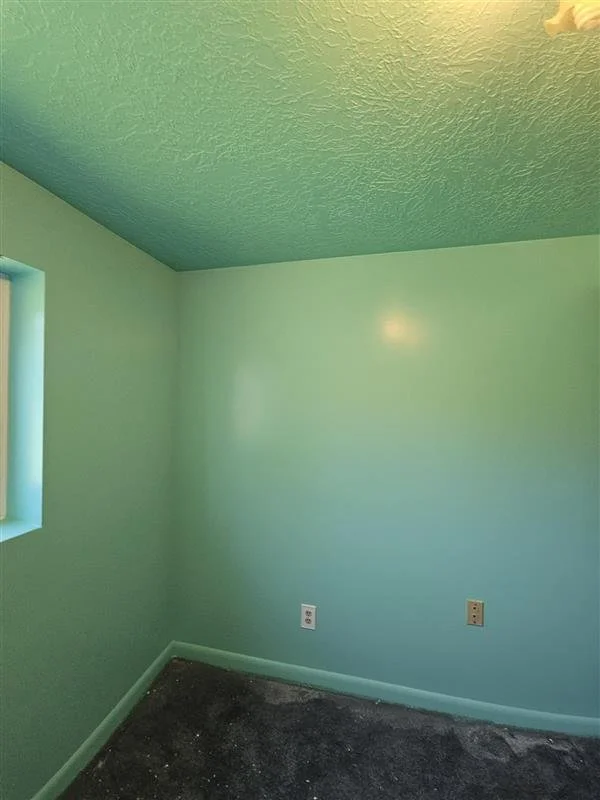
If you have a room with a "bold" personality (we're looking at you, bright purple guest room), it might be time to neutralize. A soft, warm greige or off-white allows buyers to visualize their own furniture in the space.
Why These Fixes Matter in the Salt Lake Valley
The market in places like West Valley City, Magna, and Bountiful is competitive. Many buyers are savvy, and they are often moving from out of state or looking for "turn-key" properties. When you address these weekend fixes, you aren't just repairing a house: you're selling peace of mind.
If you’re looking at this list and thinking, "I’d rather spend my weekend at a Jazz game or up in the canyons," we get it. That’s why we’re here. Your Handyman Pros can tackle this entire "Confidence List" in a fraction of the time it would take to do it yourself. Whether you need a handyman in Bountiful, Utah or a home repair expert in Salt Lake, we specialize in the "pre-listing" polish.
Let’s Get Your Home Sold
Don't let a $5 outlet cover or a $20 bag of caulk stand between you and a "Sold" sign. These small investments signal to every person who walks through your door that your home has been loved, maintained, and cared for.
If you want to ensure your home is in top-tier shape before the "For Sale" sign hits the lawn, give us a call. We are a licensed and insured contractor, and we take pride in helping our neighbors across the Salt Lake Valley maximize their home's value. From Sandy to Herriman and everywhere in between, we’ve got your back.
Ready to knock out that weekend list? Check out more of our pro-tips and projects or reach out to us today to get an estimate. Let’s make those buyers feel confident from the moment they step onto the porch.
The Details That Make a Home Feel Custom (Without the Custom Price Tag)
We’ve all been there. You walk into a friend’s new place in Herriman or a stunning remodel in Sandy, and you just feel it. The house doesn’t just look nice; it looks expensive. It looks intentional. It looks… custom.
Then you go home, look at your own walls, and realize that while your house is clean and perfectly functional, it feels a bit like it was ordered out of a catalog labeled “Standard Suburban Living, Option B.”
Here’s the secret: most of those "custom" homes aren't actually built from the ground up with gold-plated 2x4s. They are elevated by specific, intentional details that catch the eye and suggest a level of craftsmanship beyond the builder-grade basics. At Your Handyman Pros, we spend our days helping homeowners across the Salt Lake Valley turn "standard" into "standout."
The best part? You don’t need a six-figure renovation budget to get there. You just need to know which details to prioritize. As a licensed and insured contractor we know how these small tweaks can completely change the vibe of a room.
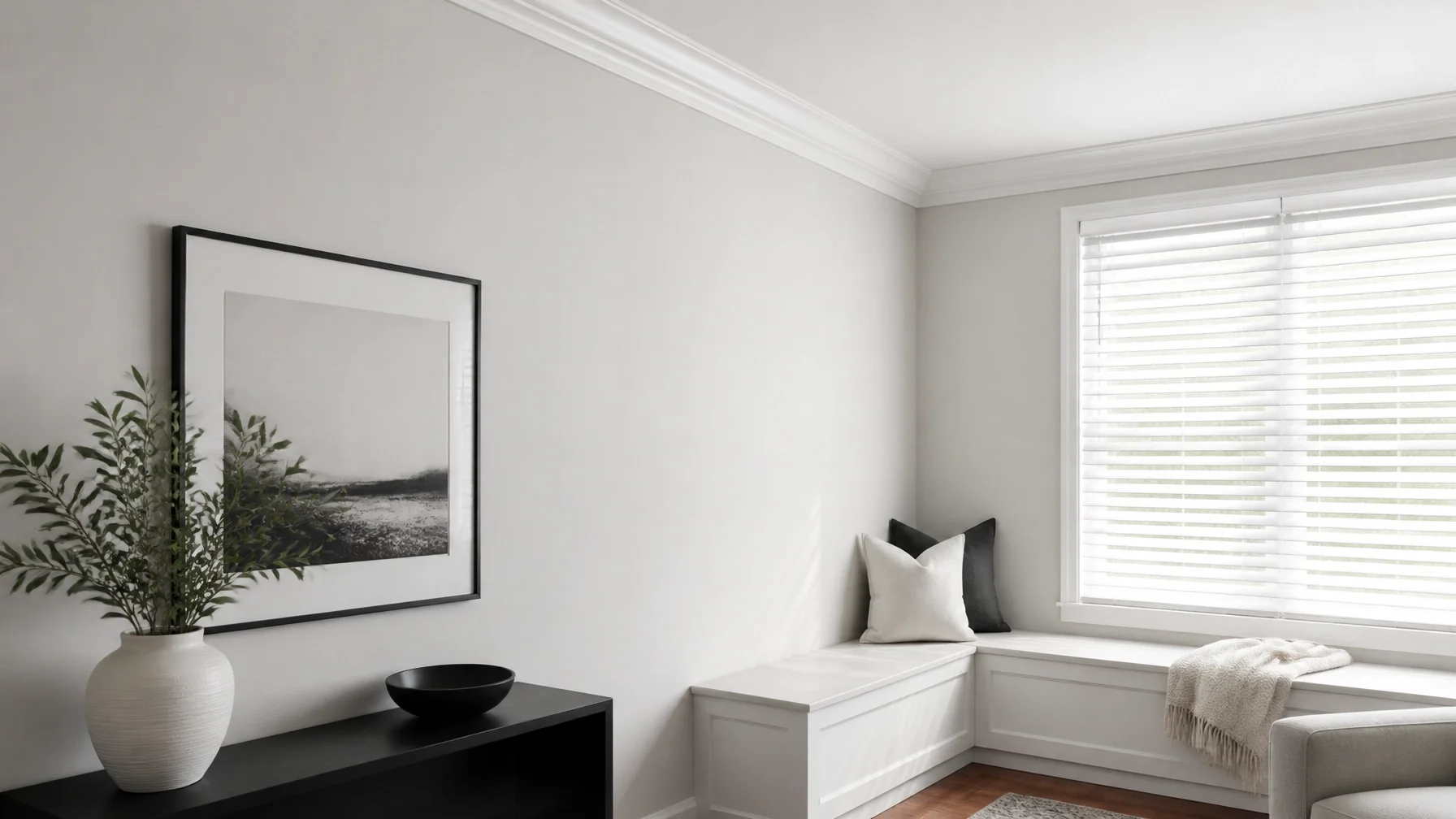
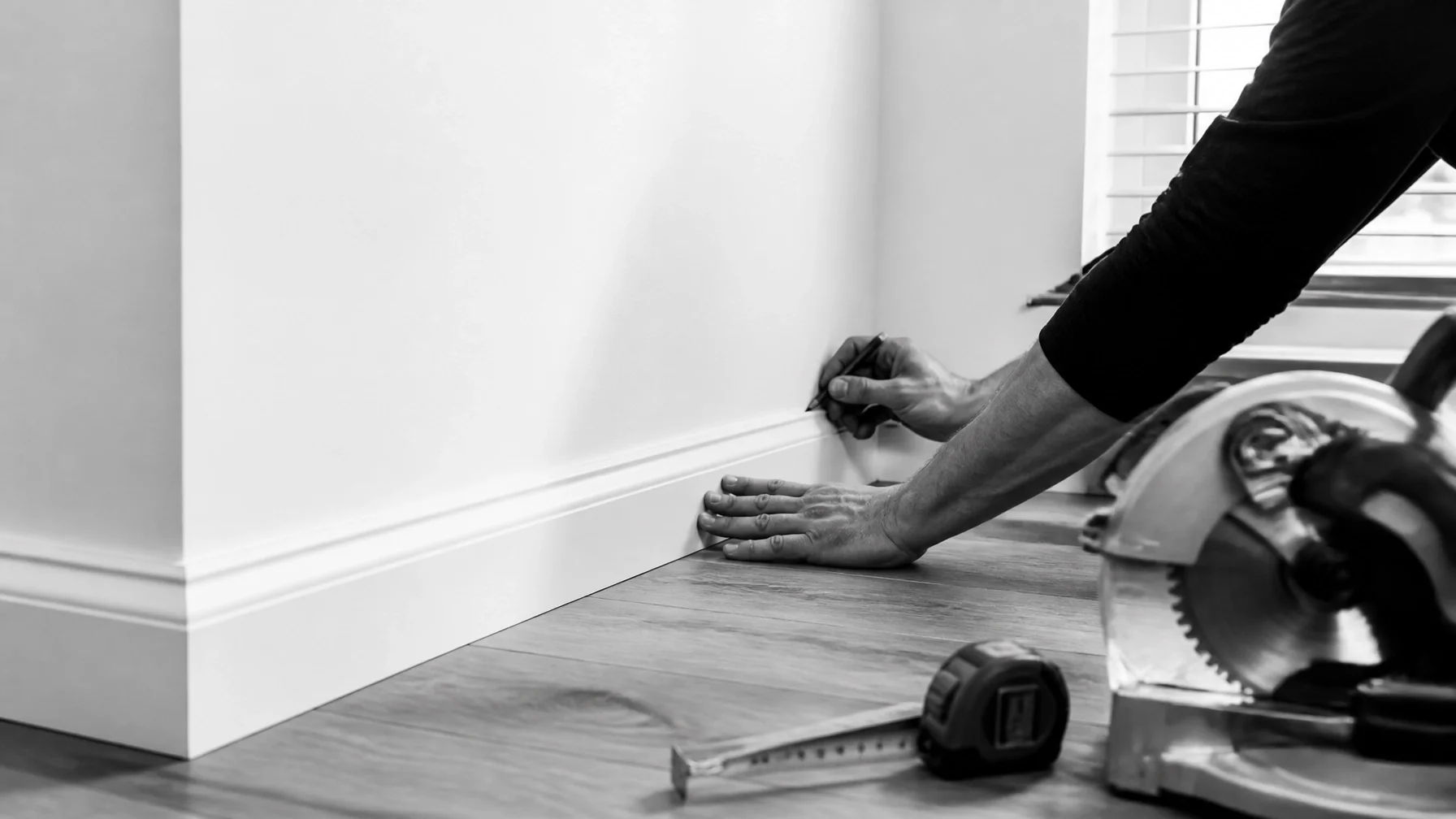
1. The Power of the Profile: Thick Baseboards and Crown Molding
If your house was built in the last thirty years, chances are you have those skinny, 2-inch baseboards that look like they were designed to be as invisible as possible. In the world of high-end design, thin trim is a tell-tale sign of a budget build.
Upgrading to 5-inch or even 7-inch baseboards is like giving your room a tailored suit. It grounds the space and adds architectural weight. If you really want to go for the "custom" look, adding crown molding creates a finished, polished transition between the wall and the ceiling. It hides the minor imperfections where the drywall meets and makes the ceiling feel higher.
If you’re wondering where to start, check out our guide on baseboard trim upgrades in the Salt Lake Valley. It’s one of those projects that offers a massive return on "visual" investment.
2. Hardware: The Jewelry of Your Home
Imagine wearing a designer gown or a sharp tuxedo and then pairing it with plastic flip-flops. That’s what it’s like to have a beautiful kitchen with cheap, flimsy cabinet pulls.
Hardware is the jewelry of your home. Those standard silver knobs that came with your house in Riverton are doing you no favors. Swapping them out for heavy, high-end pulls in finishes like unlacquered brass, matte black, or polished nickel instantly elevates the cabinetry.
But don't stop at the kitchen! Replacing your interior doorknobs, moving away from the "contractor special" round brass knobs to solid lever-style handles, makes every door you open feel more substantial. It’s a tactile upgrade that screams "custom."
3. Storage as Art: Built-in Shelving and Nooks
Nothing says "this house was built just for me" like built-in shelving. Whether it’s a reading nook in a West Valley City bungalow or a full wall of library shelves in a Sandy home office, built-ins eliminate the clutter of mismatched furniture and replace it with clean, architectural lines.
While true custom cabinetry can be pricey, a skilled Salt Lake handyman can often use methods like taking high-quality prefabricated units and trim-wrapping them to the wall to achieve that floor-to-ceiling custom look for a fraction of the cost. Adding a little bit of lighting inside those shelves? Chef’s kiss.
4. Designer Lighting: Kill the Dome Lights
You know the ones. Those flush-mount dome lights from the '90s. They are the hallmark of every builder-grade home from Magna to Draper.
If you want a custom feel, you need layers of light. This means replacing those generic domes with designer pendants over the kitchen island, a statement chandelier in the dining room, and maybe some wall sconces in the hallway or bedroom. Lighting defines the mood of a room. When the fixtures themselves are beautiful, they act as focal points even when the lights are off.
We're a licensed general contractor that can work with qualified electricians for any wiring and installation. We can help you map out a lighting plan that actually highlights your home's best features instead of just casting a generic yellow glow over everything.
5. The Custom Backsplash: A Canvas for Your Kitchen
The kitchen is the heart of the home, but the backsplash is its soul. Most standard homes come with a 4-inch strip of countertop material or basic white subway tile. While subway tile is a classic, "custom" homes often feature unique patterns, hand-made Zellige tiles, or a bold herringbone layout.
A custom tile backsplash is a relatively small area, which means you can splurge on a higher-end material without breaking the bank. It's a high-impact project that defines the entire aesthetic of the kitchen. Whether you're in Salt Lake City or looking for a tile installer in West Valley City, this is one area where precision matters. Misaligned tiles are the fastest way to ruin a "custom" look.
6. Walls That Talk: Board and Batten & Accent Trim
Empty drywall is a missed opportunity. Adding "character" often just means adding texture to the walls. Board and batten in an entryway or a dining room adds a classic, craftsman feel that feels incredibly permanent and high-end.
We’ve done some amazing board and batten entryway projects in the Salt Lake Valley that turned a boring mudroom into the most talked-about part of the house. It’s a weekend project for a pro that makes the home feel like it was designed by an architect, not a developer.
7. The Finishing Touches (Where Most People Stop)
The difference between a "pretty good" DIY job and a "custom" professional finish is in the details you don't see until they're pointed out:
Painted Outlet Covers: In a custom home, you don't see white plastic outlet covers clashing with a moody navy blue wall. In higher-end homes, outlet covers are often upgraded to metal or color-matched finishes.
Window Trim: Most modern homes skip the window casing and just use "drywall returns." Adding window trim upgrades can change the entire feel of a room, making windows look larger and more framed.
The "Weight" of Things: From solid core doors to heavy-duty hinges, custom homes feel "heavy" in a good way. They don't rattle when a breeze blows through.
Why Hire a Salt Lake Handyman for These Details?
You might be thinking, "I can swap a doorknob myself." And you probably can! But when it comes to crown molding, tile backsplashes, and custom built-ins, the difference between "custom" and "clunky" is all in the miter joints and the level.
At Your Handyman Pros, we can handle these precision upgrades. We’re the ones people call when they want the "custom" look without the "custom" contractor headache. We handle everything from closet makeovers to complex home repair in Salt Lake.
We are proud to be a top-rated handyman in Sandy, Utah, and across the entire valley. We take the time to ensure the grout lines are straight, the trim is seamless, and the hardware is level. It’s that attention to detail that makes your home feel like a sanctuary rather than just a structure.
Ready to Elevate Your Space?
If you're tired of the builder-grade look and want to add some personality to your home in Riverton, Herriman, or Magna, let's chat. We’re more than just guys with toolboxes; we’re your partners in making your home the best version of itself.
Subtle Signs Your Home Is Starting to Look Dated (Even If It's Clean)
You scrubbed the grout. You Marie Kondo'd your closets. You could literally eat off your floors. So why does your home still feel... off? Like it's stuck in 2009 or something?
Here's the thing: A dated home and a dirty home are two totally different beasts. You can vacuum until your arm falls off, but if you've got brass doorknobs and popcorn ceilings, your place is going to scream "time capsule" no matter how spotless it is.
The good news? Most of these issues aren't full-remodel territory. They're what we call "mini-refreshes", small updates that pack a serious punch. And yeah, that's exactly the kind of stuff we handle at Your Handyman Pros here in the Salt Lake Valley. Let's walk through the sneaky signs your home is showing its age (even when it's sparkling clean).
The Hardware Time Machine
Walk around your home and really look at your doorknobs, cabinet pulls, drawer handles, and bathroom fixtures. Are they brass? That shiny yellowy-gold that screams 1990s? Or maybe they're that brushed nickel that was everywhere in the early 2000s but now feels... tired?
Hardware is like jewelry for your home. And just like you wouldn't wear your mom's giant shoulder-pad blazer from 1988, your house shouldn't be rocking hardware from the same era.
The fix? Swapping out hardware is one of the fastest, most affordable updates you can make. Matte black, brushed gold, or even simple chrome can instantly modernize your space. These are typically one of the lowest-cost upgrades, and within an afternoon you can transform your kitchen cabinets, bathroom vanities, and interior doors.
It's the kind of job homeowners in Sandy, Herriman, and Riverton call us about all the time, and honestly, it's one of our favorites because the before-and-after is so dramatic for such minimal effort.
Lighting: The Silent Ager
Remember when every ceiling had those dome-shaped flush-mount fixtures that builders slapped on every ceiling from 1995 to 2010? Yeah, those need to go.
Lighting is massive. Bad lighting doesn't just make your home look dated, it makes everything look worse. That harsh overhead "big light" washing out your living room? It's doing you no favors. Inconsistent color temperatures (some bulbs glowing warm yellow, others cold blue) make spaces feel disjointed and cheap.
Modern homes layer their lighting: overhead fixtures (but cooler ones), wall sconces, table lamps, under-cabinet lighting in the kitchen. It creates depth and warmth instead of that flat, fluorescent-office vibe.
Swapping out dated light fixtures is another high-impact, relatively simple update. Pendant lights over islands, statement chandeliers in dining areas, modern flush-mounts in bedrooms, these changes completely shift how a space feels. And if you're in West Valley City or Magna dealing with outdated fixtures, we've seen it all and can walk you through what'll work best for your space.
Yellowed Outlet Covers and Switch Plates
This one's sneaky because you probably don't even notice them anymore. But trust me, everyone else does. Those once-white outlet covers and light switch plates that have turned cream or straight-up yellow? They're quietly telling everyone your house hasn't been updated in 20+ years.
The plastic yellows over time from UV exposure, heat, and just general aging. And because they're literally on every wall, they create this subliminal "old" vibe throughout your entire home.
The fix costs like $30 for your whole house. Seriously. New white outlet covers and switch plates are dirt cheap at any hardware store. You can swap them out yourself in an hour, just make sure to turn off power at the breaker first. That, or we can knock it out while we're there doing other work. It's one of those tiny details that makes a surprisingly big difference.
Honey Oak Everything
Oh, honey oak. The wood trim, cabinets, and doors that dominated the '90s and early 2000s. It's warm, it's... orange, and it makes your entire home feel like it's wearing an Instagram filter from 2011.
The problem with honey oak isn't that it's bad quality, it's often solid wood and well-made. The problem is it's SO specific to a time period that it immediately dates your space. Modern aesthetics lean toward lighter woods (think natural maple or whitewashed finishes) or painted trim in whites, grays, or even bold colors.
Now, this one's a bigger project than swapping hardware, but it's still way more manageable than a full remodel. Painting trim and doors is absolutely doable, and refinishing or painting cabinets can completely transform a kitchen without the cost of replacement.
Popcorn Ceilings: The Final Boss
If your ceilings look like someone attacked them with textured spray paint from 1975, you've got popcorn ceilings. If you want a more modern look, popcorn ceilings are often worth evaluating.
Popcorn texture was originally used to hide imperfections and reduce echoes, but all it really does now is collect dust, create shadows, and make your home look ancient. It's also legitimately harder to keep clean because of all those little nooks and crannies.
The other issue? Popcorn texture installed before the 1980s might contain asbestos, which means removal requires testing and potentially professional abatement. Even without asbestos concerns, popcorn ceiling removal is messy, time-consuming work that requires proper prep and cleanup.
This is one where you definitely want professionals. We can assess whether your popcorn needs testing, handle the removal safely, and finish with smooth, modern ceilings that make your entire home feel taller and fresher. It's a project we regularly tackle in Herriman, Sandy, and throughout the valley, and yeah, it's messy, but the transformation is unreal.
Vertical Blinds and Heavy Window Treatments
If you've got vertical blinds, especially those vinyl ones that clack together when someone walks past, it's time for an upgrade. They scream "1990s rental property" and they're dirt magnets.
Same goes for those heavy, ornate valances and elaborate window treatments. The overly coordinated, matchy-matchy curtain sets feel stuck in the past. Modern window treatments are simpler: clean-lined cellular shades, simple roman shades, or minimal curtain panels in neutral fabrics.
Window treatments are another relatively affordable update that changes the entire feel of a room. And if you're dealing with odd-sized windows or tricky installations, that's where having a handyman who's done a thousand window treatments comes in handy (pun intended).
The Gray-and-White Sterility Problem
Here's a newer one: the all-gray, all-white trend that dominated the last decade. While it felt fresh and modern five years ago, now it's making homes feel cold, flat, and lifeless, like living inside an iPhone commercial.
The shift is toward warmer neutrals, natural textures, and actually bringing some color back into spaces. That doesn't mean going wild with bold paint (unless that's your vibe), but it does mean your home shouldn't look like a dentist's office.
Adding warmth can be as simple as updating your wall color to warmer whites or soft beiges, incorporating natural wood tones, or making small changes that refresh a room without full renovation.
The Your Handyman Pros Difference
Look, we get it. You don't want to drop $50k on a full remodel when you don't actually need one. That's literally why Your Handyman Pros exists, for those high-impact "mini-refreshes" that modernize your home without the massive renovation.
Hardware swaps, lighting updates, trim painting, outlet cover replacements, popcorn ceiling removal, this is our bread and butter. We're licensed and insured, and we've been helping homeowners across the Salt Lake Valley bring their homes into the current decade without breaking the bank.
Now, if you DO decide you want to go all-out, full kitchen gut, bathroom remodel, the works, our sister company Your Contractor Pros (YCP) handles the bigger stuff. But honestly? Most folks don't need that. They just need someone who knows which updates will give them the biggest bang for their buck.
Start Small, See Big Results
The beauty of these mini-refreshes is you can tackle them one at a time. Start with hardware. Then move to lighting. Add fresh outlet covers. Each small change builds on the last until suddenly your home feels like it got a complete makeover, even though you didn't gut anything.
Your home doesn't need to look dated just because it's a few decades old. Sometimes it just needs someone who knows which small changes make the big difference. And yeah, that's us.
The Most Ignored Safety Hazards in Utah Homes (That Take Under an Hour to Fix)
Let's be real: most of us aren't worried about safety hazards until someone trips, something sparks, or we hear a weird noise at 2 a.m. And honestly? That's pretty normal. But here's the thing, some of the scariest safety issues in Utah homes are also the easiest (and fastest) to fix.
I'm talking under-an-hour fixes. No major tools. No drama. Just smart, proactive home maintenance that could literally save a life.
Many homeowners overlook things that appear small but can be serious safety issues. So let's fix that. Here are five overlooked safety issues in Utah homes, and how to knock them out in less time than it takes to binge an episode of your favorite show.
1. Loose Handrails (AKA the "Grab-and-Pray" Special)
You know that wobbly handrail on your deck or basement stairs? The one that wiggles when you grab it? Yeah, that's not supposed to do that.
Loose handrails are one of the top causes of preventable falls in homes. And in Utah, where decks, staircases, and split-level homes are everywhere, this is a big deal. A really big deal.
The fix is usually simple:
Tighten the mounting screws or bolts
Replace stripped screws with longer, sturdier ones
Add extra brackets if the rail spans a long distance
If the wood is rotted or posts are loose, it may require more than a simple tightening and should be properly repaired.
Pro Tip: Don't wait until someone falls to fix this. Test your handrails right now. If they feel loose or shift under firm pressure, they need attention and it's time to tighten or replace.
At Your Handyman Pros, we handle handrail repairs and replacements all the time. Whether it's a quick tightening job or a full railing rebuild, we've got you covered.
2. Missing GFCI Protection Near Sinks (The Silent Shock Hazard)
Pop quiz: Do the outlets near your kitchen and bathroom sinks have those little "test" and "reset" buttons?
If not, you're missing GFCI protection, and that's a serious electrical safety issue.
GFCI (Ground Fault Circuit Interrupter) outlets are designed to shut off power instantly if they detect a current imbalance, like when a plugged-in hairdryer falls into a sink full of water. Without them, that scenario can be fatal.
Here's where you need GFCI outlets in Utah homes:
Within 6 feet of any sink
In bathrooms, kitchens, laundry rooms, and garages
Outdoor outlets
Unfinished basements
The good news? Installing GFCI outlets is a quick job for a licensed electrician. And at Your Handyman Pros, we coordinate with licensed electricians that can swap out old outlets for GFCI-protected ones in minutes, keeping your family safe and your home up to code.
Why this matters in Utah: Our homes often have older electrical systems, especially in Sandy and West Valley City. Upgrading to GFCI protection is a small investment that prevents big tragedies.
3. Dryer Vents Packed with Lint (The Fire Hazard Hiding in Your Laundry Room)
Let me hit you with a terrifying stat: 2,900 dryer fires happen every year in the U.S., causing $35 million in property damage. And the #1 cause? Lint buildup in dryer vents.
Now add Utah's bone-dry climate to the mix. Low humidity + highly flammable lint = a recipe for disaster.
When was the last time you cleaned out your dryer vent? And no, I'm not talking about the lint trap you empty after every load. I mean the actual vent duct that runs from your dryer to the outside of your house.
Here's how to clean it (under 30 minutes):
Unplug the dryer and pull it away from the wall
Disconnect the vent hose from the back of the dryer
Use a dryer vent brush (or a vacuum with a hose attachment) to clear out the lint
Check the exterior vent flap outside: make sure it opens and closes freely
Reconnect everything and push the dryer back
If your vent duct is kinked, crushed, or made of flimsy plastic or foil, replace it with a rigid metal duct. It's safer, more efficient, and way less likely to catch fire.
Can't reach the vent or don't have the tools? That's what we're here for. Your Handyman Pros can clean and inspect your dryer vent in one quick visit: giving you peace of mind and a more efficient dryer.
4. Unsecured Tall Furniture (The Tip-Over Risk You're Not Thinking About)
Utah sits on an active fault line. We've had earthquakes before, and we'll have them again. And when they hit, unsecured furniture becomes a serious hazard.
But here's the kicker: you don't need an earthquake for furniture to tip over. Kids climb on dressers. Pets jump on shelves. Adults lean on bookcases while reaching for something on top. And when a 6-foot dresser or entertainment center tips? It can be fatal.
According to safety experts, one child dies every two weeks from furniture tip-overs. That's preventable with a $10 bracket and 15 minutes of work.
How to secure tall furniture:
Use furniture straps or L-brackets to anchor dressers, bookcases, and cabinets to the wall
Make sure you're drilling into a stud (not just drywall)
Secure TVs to their stands or mount them to the wall
We've covered earthquake safety in detail in our earthquake-proofing posts, but the takeaway is simple: anchor anything taller than you.
Your Handyman Pros can install furniture straps and wall anchors quickly and correctly: especially if you're not sure where the studs are or don't want to risk a DIY disaster.
5. Cracked Exterior Steps (The Trip Hazard Courtesy of Utah's Freeze-Thaw Cycle)
Utah's weather is brutal on concrete. We get cold winters, hot summers, and that freeze-thaw cycle that just loves to crack driveways, patios, and exterior steps.
Cracked or uneven steps are a major trip hazard: especially for kids, elderly family members, or anyone carrying groceries in the dark.
Quick fixes for cracked steps:
Fill small cracks with concrete crack filler (takes 20 minutes)
Resurface badly damaged steps with concrete resurfacer
Replace individual broken pavers or stepping stones
Small cracks can often be filled quickly; larger repairs may require more prep and curing time. For bigger issues: like steps that are sinking, crumbling, or structurally compromised: you'll want a professional. As a licensed B100 General Contractor, we handle everything from minor crack repairs to full staircase rebuilds.
Pro Tip: Don't wait until winter. Utah's freeze-thaw cycle makes cracks worse every year. Fix them now before they become a liability (or a lawsuit).
The Bottom Line: Small Fixes, Big Impact
Here's the truth: most home safety hazards aren't dramatic. They're small, easy-to-ignore issues that pile up over time. A wobbly handrail here. A missing GFCI outlet there. A dryer vent you "meant to clean last year."
But these little things? They add up. And when something finally goes wrong, it's expensive, dangerous, or both.
The good news is that most of these fixes can be completed in under an hour once materials are on hand and no deeper damage is present: either by you or by calling in a pro who knows what they're doing.
At Your Handyman Pros, we specialize in these "small but critical" repairs. We're licensed, insured, and based right here in the Salt Lake Valley. Whether you need a quick safety check, a handful of repairs, or a full home safety audit, we've got you.
Because at the end of the day? Your home should be the safest place you know.
Need help tackling these safety fixes? Give us a call. We'll knock them out fast: so you can get back to the stuff that actually matters.
How to Create a Spa-Like Bathroom in Salt Lake City: 5 Upgrades That Feel Luxurious (But Stay Practical)
You want a bathroom that feels like a high-end spa: but you also want something that works with real life in Salt Lake Valley. Good news: you can have both.
The trick isn't cramming every trendy feature into your space. It's choosing upgrades that deliver actual luxury and handle Utah's hard water, dry climate, and daily wear from families who actually use the space. From a bathroom remodeling contractor's perspective, the best spa-like bathrooms balance high-end aesthetics with materials and fixtures that won't become maintenance nightmares six months down the road.
Here's what works: and what matters most: whether you're in Herriman, Riverton, Sandy, Magna, or West Valley City.
1. Walk-In Showers With Therapeutic Features
This is where most homeowners start, and for good reason.
Walk-in showers combine sleek, modern design with easier accessibility. But here's what makes them feel truly luxurious: therapeutic jets, rainfall showerheads, and wide, frameless glass enclosures that open up the entire space visually.
What to look for:
Multi-function shower systems with body jets and overhead rainfall features
Bench seating built into the design for comfort and function
Wide entry doors (no tight squeeze to get in)
Curbless or low-curb entries that keep water contained while maintaining a clean, open look
Why it matters:
A walk-in shower isn't just about looks. It's about creating a bathing experience that actually relaxes you: every single day. Therapeutic jets target sore muscles after a long shift. Rainfall showerheads provide full coverage without the harsh spray of standard fixtures. And when you design the enclosure properly, you control splashing while maintaining that open, airy feel.
2. Therapeutic Soaking Fixtures That Actually Get Used
If you have the space, a soaking tub changes everything.
But here's the reality check: standard bathtubs don't deliver the spa experience you're imagining. You want either a freestanding soaking tub with clean lines and depth, or a walk-in tub with therapeutic jets if accessibility and safety matter to your household.
What to consider:
Freestanding tubs positioned near windows or as focal points
Walk-in tubs with wide entry doors, built-in seating, and jet systems
Deep soaking depth (at least 19-20 inches) for full immersion
Materials that retain heat longer: cast iron or high-quality acrylic
Why it matters:
A soaking tub only feels luxurious if you actually use it. That means choosing the right fixture for your household. Families with older adults or mobility concerns benefit more from walk-in tubs with safety features and therapeutic jets. Homeowners looking for pure relaxation should prioritize depth, ergonomic design, and heat retention.
Tub material and depth matter, especially in Utah’s cooler, dry winters. Materials that hold heat longer and tubs designed with depth keep your soak comfortable from start to finish.
3. Mineral-Resistant Materials (Because Salt Lake Hard Water Is Brutal)
This is where practical meets luxury: and where most DIY plans fall apart.
Salt Lake City's hard water creates mineral buildup on everything. Shower doors fog with white deposits. Tiles develop dull residue. Grout discolors. If you don't choose mineral-resistant materials from the start, your spa-like bathroom will look dated and grimy within months.
What to look for:
Shower doors with protective coatings that repel mineral deposits
Bath surrounds engineered to resist cracking, mildew, and discoloration in hard water conditions
Porcelain or glazed ceramic tiles over natural stone (Natural stone requires regular sealing and maintenance in Utah’s hard water conditions)
High-quality grout with sealants designed for Utah water chemistry
Why it matters:
You're investing in a luxury bathroom. You don't want to spend every weekend scrubbing mineral deposits off glass and tile just to keep it looking clean.
Mineral-resistant materials reduce maintenance demands dramatically: keeping that polished, spa-like appearance year-round with normal cleaning. From a contractor's perspective, this is where proper material selection saves you time, frustration, and money over the bathroom's lifespan.
4. Premium Hardware and Finishes That Tie Everything Together
Here's what separates a nice bathroom from a luxurious one: cohesive, high-quality finishes.
Mixing brushed nickel faucets with chrome towel bars and random builder-grade hardware creates visual chaos. Spa-like bathrooms use consistent finishes across every fixture and accessory: from faucets to drawer pulls to lighting fixtures.
What to look for:
Matching finish families: brushed nickel, matte black, polished chrome, or oil-rubbed bronze
Solid construction in faucets, showerheads, and hardware (avoid lightweight, hollow pieces)
Waterfall faucets or vessel sink pairings for statement fixtures
Heated towel racks and built-in storage that blend with your finish palette
Why it matters:
Premium hardware isn't just about aesthetics: though the visual impact is immediate. Higher-quality fixtures resist corrosion better in Utah's mineral-heavy water. They maintain their finish longer. They feel solid when you use them daily.
And when every finish coordinates, the entire space feels intentionally designed rather than pieced together. That's what creates the spa atmosphere you're after.
This is also where working with an experienced bathroom remodeling contractor saves you hours of research and second-guessing. Design consultations help you select finishes that work together and match your vision without endless browsing or ordering mistakes.
5. Lighting and Layout Optimization
You can install every luxury fixture imaginable: but if the layout feels cramped or the lighting is harsh, it won't feel like a spa.
Natural light is the foundation. If you have windows, maximize them. If you don't, strategic artificial lighting creates the same effect: soft, layered, and warm.
What to look for:
Recessed lighting on dimmers for adjustable ambiance
Wall sconces flanking mirrors at eye level (no harsh overhead shadows)
Backlit mirrors or LED strips for modern, even illumination
Task lighting in the shower or above the tub
Natural light from windows, skylights, or solar tubes where possible
Layout matters just as much:
Separate wet zones (shower, tub) from dry zones (vanity, toilet) for better flow
Strategic storage that keeps counters clear: medicine cabinets, built-in niches, floating vanities
Traffic flow that doesn't require awkward navigation around fixtures
Why it matters:
Good lighting transforms how a space feels. Harsh fluorescent overhead lights remind you of locker rooms: not spas. Layered lighting with dimmer controls lets you adjust the mood from bright and functional to soft and relaxing.
And layout optimization maximizes your space: whether you're working with a compact 5x8 bathroom or a spacious master suite. Professional designers plan fixtures and accessories based on how you actually use the space, eliminating wasted square footage and awkward traffic patterns.
Most homeowners in Herriman, Riverton, Sandy, Magna, and West Valley City don't have unlimited space for bathroom remodels. Smart layout planning makes what you have work harder: and feel more luxurious.
The One-Call Approach That Makes It Happen
Here's the reality of bathroom remodels: they involve plumbers, electricians, tile setters, painters, and finish carpenters. When you're coordinating those trades yourself, the project drags on for weeks: or months: with gaps in the schedule, miscommunications, and costly mistakes.
That's why homeowners across the Salt Lake Valley work with a general contractor who handles everything from design to completion. One point of contact. One team managing every phase. No juggling multiple crews or wondering who's responsible when something goes wrong. We work with individually licensed and insured specialists to meet all of your homeowner needs.
For a bathroom remodel in Salt Lake City, this approach means:
Design consultation that matches your vision with practical execution
Accurate timelines
Coordinated scheduling with all trades
Quality control at every phase
Minimal disruption to your daily routine
You get the spa-like bathroom you're imagining: without the headache of managing a multi-trade construction project yourself.
Ready to Create Your Spa-Like Bathroom?
Luxury bathrooms aren't about cramming every trendy feature into your space. They're about choosing upgrades that deliver real comfort, handle Utah's unique climate challenges, and create an atmosphere that actually relaxes you after long days.
Walk-in showers with therapeutic features. Soaking fixtures designed for your household. Mineral-resistant materials that stay beautiful. Premium hardware with cohesive finishes. Lighting and layout that maximize every square foot.
If you're ready to start planning your bathroom remodel, visit www.yourcontractorpros.com and click the "Book Now" link. We'll walk through your vision, show you what's possible in your space, and handle everything from design to the final walkthrough.
Repair vs. Replace: The Utah Valley Handyman's Decision Matrix for Windows, Water Heaters, and Drywall Damage
You're standing in your basement, staring at a water heater that's making weird noises. Or maybe you're looking at a foggy window in your Herriman living room, wondering if you can just replace the glass. Or there's that drywall hole in the hallway that your teenager definitely didn't make with a doorknob (wink, wink).
The question is always the same: Do I repair this thing or just replace it?
Here's the deal: Many homeowners waste thousands on replacements they didn't need and throw good money after bad on repairs that were never going to last.
So let's break down the actual decision-making process for three of the most common "repair or replace" headaches Utah homeowners face: windows, water heaters, and drywall damage.
The Windows Question: When Utah Weather Tells You It's Time
Windows in Utah take a beating. We've got temperature swings that go from single digits in January to triple digits in July. That expansion and contraction cycle is brutal on seals, frames, and glass.
Repair if:
The window is less than 10 years old and just has a broken seal (that foggy look between panes)
The frame is solid wood or vinyl with no rot or warping
Only the hardware is broken (locks, cranks, balances)
It's a single pane of glass that cracked
A broken seal on a double-pane window in Sandy? That's usually a $150-$300 repair, depending on size. Replacing just the glass unit is way cheaper than a whole new window, and if the frame is solid, there's no reason to rip everything out.
Replace if:
The frame is rotted, warped, or shows moisture damage
You're getting drafts even after weatherstripping and caulking
The window is original to a home built before 1990 (Utah energy costs make this a no-brainer)
Multiple seals have failed across different windows in the house
Here's the thing: if you're in West Valley City and your 1980s aluminum windows are still "working," they're costing you extra in heating and cooling. At that point, replacement isn't about the window: it's about your utility bill. Homeowners can see noticeable reductions in heating and cooling costs after upgrading old single-pane or aluminum windows, especially when combined with proper air sealing.
Want to know more about small fixes that impact your home's value? Check out our post on 10 small issues that quietly tank your home's value.
Water Heaters: The Ticking Time Bomb in Your Utility Room
Water heaters are weird because they can fail in a hundred different ways, and some are $75 fixes while others mean you're buying a new tank.
Repair if:
The unit is less than 8 years old
It's a simple thermostat, heating element, or pressure relief valve
There's no visible rust on the tank itself
The leak is coming from a valve or connection point (not the tank)
Plenty of $30 thermostats can save homeowners a $1,200 water heater replacement. If your Riverton home has hard water (and let's be honest, most of the valley does), you might just need to flush the tank and replace the anode rod. That's a $150-$250 service call versus buying new.
By the way, if you're dealing with hard water issues, we wrote a whole guide on fixing hard water problems in Utah homes.
Replace if:
The tank is 10+ years old (even if it's "working fine")
There's rust-colored water coming out of your hot tap
You see moisture or rust on the outside of the tank
The leak is coming from the tank body itself
You've already repaired it twice in the past two years
Here's the math: if your water heater is 9 years old and needs a $400 repair, you're throwing money at something that's statistically about to die anyway. In hard-water areas like much of the Salt Lake Valley, tank-style water heaters often last toward the lower end of the typical 8–12 year lifespan if not regularly maintained. At that point, spend the $1,000-$1,800 on a new unit and get another decade of reliable hot showers.
The 50% Rule: A common rule of thumb many contractors use is the 50% rule. If the repair costs more than 50% of what a replacement would cost, just replace it. This applies to basically everything in your house, but it's especially true for water heaters.
Drywall Damage: Size Matters (And So Does Location)
Drywall is one of those things where homeowners either panic about nothing or completely underestimate the problem. Let's get this straight.
Repair if:
The hole is smaller than a softball
It's in a non-load-bearing wall
There's no water damage, mold, or structural issues behind it
The texture is simple (orange peel, knockdown)
A four-inch hole in your Magna hallway? That's a $150-$250 patch and paint job. We cut out the damaged section, put in a backer, mud it, sand it, texture it, and paint it. Done in a day. Even something the size of a dinner plate is still repairable for under $400.
Replace if:
The damage is widespread (like water damage from a roof leak)
There's mold behind the drywall
Multiple areas of the same wall are damaged
The studs or framing are compromised
It's an entire wall that needs new insulation anyway
If you've got water damage in a Sandy bathroom from a slow leak, we're not patching: we're cutting out the entire affected section, checking for mold, possibly reframing, and putting up new drywall. At that point, trying to save $100 on drywall means you're risking mold growth behind your walls.
One more thing: if the damage is in a high-visibility area like your living room and the texture is complicated (like hand-troweled knockdown or popcorn), sometimes it's actually cheaper to skim-coat and repaint the whole wall than to try to match a patch perfectly. That's where experience matters.
Other Factors for Your Decision Matrix
Beyond the specific item, here are some questions you should ask yourself:
1. How long are you staying in this house?
If you're selling in six months, we're probably repairing unless it's something that'll kill the inspection. If you're staying for ten years, we're making the investment-grade decision.
2. Will this affect your home value or sale?
A 20-year-old water heater will get flagged on an inspection. A patched window might not. Check out our thoughts on curb appeal and maintenance for more on this.
3. What's your total maintenance budget right now?
If you've got five things that need attention, we might repair three and replace two. Prioritization is key.
4. Are there rebates or tax credits available?
Utah periodically offers some solid energy efficiency programs and rebates. Availability and eligibility vary by year and provider, so be sure to check in every so often so you don't miss out on some great deals.
Why You Want a Licensed Contractor Making This Call
Look, I get it: there are a lot of "handymen" in the Salt Lake Valley who'll give you a price without actually diagnosing the problem. The difference with working with a licensed general contractor is that we're looking at the whole system. We work with individually licensed and insured electricians and plumbers to make sure everything is done properly.
When you call about a leaking window, we're checking the flashing, the caulking, the drainage plane, and the framing. When you call about drywall damage, we're looking for the why behind it. And when you call about a water heater, we're testing pressure, checking code compliance, and making sure you're not going to have the same problem in six months.
We specialize in those smaller, high-impact repairs that big remodeling companies won't touch, but we bring full B100 General Contractor expertise to every job. That means you get honest recommendations based on building science, not just what'll get us the biggest invoice.
The Bottom Line
The repair-versus-replace decision isn't always clear-cut, but here's the framework we use:
Under 50% of replacement cost and less than 2/3 through its lifespan? → Repair
Over 50% of replacement cost or nearing end of life? → Replace
Safety or code issue? → Replace, no question
Cosmetic in a low-priority area? → Repair (or just live with it)
If you're in Herriman, Sandy, Magna, Riverton, West Valley City, or anywhere in the Salt Lake Valley and you're staring at something wondering "repair or replace?", that's literally what we do all day. Give us a call and we'll give you the honest answer: even if that answer is "just leave it alone for now."
Because sometimes the best repair is the one you don't do yet.
Drafty Doors & Windows: The $100 Fix That Can Lower Your Heating Bill This Winter
Listen, if you're sitting in your living room right now and you can feel that cold breeze sneaking in around your door, you're not imagining it. And worse? You're literally watching your hard-earned money blow right out of your house every time your furnace kicks on.
February in Salt Lake Valley isn't exactly gentle. Whether you're in Sandy, Herriman, or up in Bountiful, you know the drill, those Utah winter nights can drop below freezing fast, and your heating system is working overtime. But here's the thing: you might not need new windows or a total door replacement to stop the bleeding. Sometimes all it takes is about $100 worth of weatherstripping, door sweeps, and fresh caulk to make a massive difference.
Let me show you how to plug those leaks tonight, and why having Your Handyman Pros handle it might be the smartest move you make this winter.
The Invisible Money Leak in Your Home
You probably check your bank account. You watch your heating bill climb every month. But have you ever actually held your hand near your front door on a windy day? Or felt around the edges of those bedroom windows?
Most homeowners in the Salt Lake Valley don't realize how much conditioned air they're losing through tiny gaps around doors and windows. We're not talking about obvious broken glass or a door that won't close, these are the invisible leaks. Even a small gap under a door can leak surprising amounts of air over the course of a Utah winter.
Here's what happens: Cold air sneaks in through these gaps, your thermostat senses the drop, and your furnace fires up again. Rinse and repeat, all day, all night. According to energy studies, air leaks can account for around 25–30% of the energy used for heating and cooling. That's literally hundreds of dollars a year going straight out the door, sometimes quite literally.
The worst part? Most people assume they need to replace the whole window or door to fix the problem. That's like buying a new car because you have a flat tire. In most cases, the door and window themselves are fine. They just need a proper seal.
The $100 Solution: Weatherstripping, Door Sweeps, and Caulk
Here's the good news: the fix is usually way simpler (and cheaper) than you think. For about $100 or less, you can seal up the most common air leaks in your home. Let's break it down:
Weatherstripping is your first line of defense. This is the foam, rubber, or adhesive material that goes along the edges of doors and windows to create an airtight seal when they're closed. You can pick it up at any hardware store, self-adhesive strips start around $5-10 per roll. The key is getting the right type for your specific gap and making sure it's installed correctly (more on that in a minute).
Door sweeps are those strips that attach to the bottom of your door to block the gap between the door and the threshold. If you've ever felt a cold breeze coming from under your front door, this is your fix. A decent door sweep runs about $10-20 and takes minutes to install.
Caulk is perfect for sealing stationary gaps, like where your window frame meets the wall, or around exterior door trim. A tube of quality exterior caulk costs $5-8, and you'll probably only need two or three tubes to tackle all the problem areas around your house.
Add it all up, and you're looking at $50-100 in materials, tops. If you're handy, you can knock this out in a Saturday afternoon. But here's where things get interesting.
DIY vs. Pro: Why It Pays to Get It Done Right
Look, I'm not going to tell you that you can't weatherstrip your own doors and windows. Plenty of homeowners do it. But there's a difference between slapping on some foam strips and actually creating an airtight seal that'll last through three Utah winters.
Here's what usually happens with DIY weatherstripping:
The adhesive doesn't stick properly because the surface wasn't cleaned and prepped correctly
The strips are uneven, leaving gaps in the corners
The wrong type of weatherstripping is used for the specific application
The door sweep is installed at the wrong height (too low and your door won't close; too high and cold air still gets in)
Caulk lines look messy or crack within a year because the wrong product was used
When Your Handyman Pros tackles weatherproofing, we don't just seal the obvious gaps. We do a full inspection while we're there. Why? Because sometimes what looks like a simple draft is actually pointing to a bigger problem.
Maybe that gap under your door exists because your threshold is rotting and needs to be replaced. Maybe your window frame is pulling away from the wall because of settling. Maybe there's moisture damage that could lead to moisture or mold issues if left untreated. As a B100 General Contractor, our team can spot these issues, and more importantly, we can fix them properly without you needing to call three different companies.
Plus, here's the honest truth: we can weatherstrip your entire house in a few hours, and it'll be done right. Clean lines, proper seal, materials that'll last. For most homeowners, that DIY project turns into a full weekend ordeal with multiple trips to Home Depot because you bought the wrong size the first time.
The ROI: This Fix Pays for Itself Fast
Let's talk numbers. The average home in Salt Lake Valley spends somewhere between $80-150 per month on heating during the winter months. If air leaks are costing you 25-30% of that efficiency, you're wasting $20-45 every single month.
Do the math: even if you spend the full $100 on weatherproofing materials and a couple hours of professional installation. For many homes, the upgrade can pay for itself within a season. Everything after that is pure savings, month after month, winter after winter.
But it's not just about the money. A properly sealed home is comfortable. No more cold spots. No more cranking the thermostat to 73° just to get the living room to feel like 68°. No more wearing a hoodie inside your own house.
And if you're thinking about selling in the next few years? Energy-efficient homes sell faster and for more money. Buyers in Draper, Herriman, and across the Salt Lake Valley are getting smarter, they ask about utility bills, they look for signs of deferred maintenance, and they notice when a house feels drafty during the showing.
Stop Paying to Heat the Outdoors
Look, February in Utah is already expensive enough without giving Rocky Mountain Power extra money for no reason. If your doors and windows are drafty, you're literally paying to heat the neighborhood.
The fix is simple, fast, and affordable. Whether you want to DIY it with the right materials and guidance, or have us come out and handle it professionally (so you can spend your Saturday doing literally anything else), the important thing is to get it done before you waste another month of heating bills.
We service the entire Salt Lake Valley, Sandy, Herriman, Draper, West Valley City, Magna, Riverton, Bountiful, and everywhere in between. One call, one visit, and you'll actually feel the difference tonight when that cold breeze stops sneaking in.
Ready to stop the draft and start saving money? Give Your Handyman Pros a call and let's get your home sealed up tight. Your furnace (and your wallet) will thank you.
And hey, while we're there checking your weatherstripping, we can knock out those other small repairs that have been on your list forever. Just saying.
Kitchen Facelift: How New Hardware and Trim Outperform a Full Gut Job
You've been scrolling Pinterest for weeks. The kitchen remodels are stunning, white shaker cabinets, waterfall countertops, custom islands that probably cost more than your car. In today’s market, full kitchen remodels often run $50,000+. And it'll take four months. Oh, and you can't use your kitchen during that time, so get really comfortable with your microwave and the Chick-fil-A drive-thru.
Here's the thing: you don't always need to gut your kitchen to make it feel brand new.
You can completely transform your tired kitchen without the chaos of a full remodel. We're talking about strategic, high-impact changes that take days, not months, and cost a fraction of the price. New hardware. Clean trim work. A little crown molding magic. Suddenly, your builder-grade kitchen from 2005 looks like it belongs in a 2026 home tour.
Let's break down how a smart kitchen facelift can give you that "wow" factor without the gut-job nightmare.
The "Gut Job" Myth: You Don't Always Need to Tear It All Out
The home improvement industry loves to sell you on the total teardown. Rip out the cabinets. Demo the counters. Relocate the plumbing. Start from scratch.
But here's the reality: if your layout works and your cabinets are structurally sound, you don't need a gut job. You need a facelift.
Most kitchens built in the last 20 years have decent bones. The cabinets are fine: they're just boring. The layout functions: it's just bland. The problem isn't structural; it's aesthetic. And aesthetic problems have aesthetic solutions that don't require a dumpster in your driveway.
A full gut remodel makes sense when:
Your layout is genuinely dysfunctional (like a fridge blocking the main walkway)
Your cabinets are falling apart or water-damaged
You're dealing with outdated plumbing or electrical that needs serious work
You want to move walls or add square footage
But if you just hate the look? If it feels dated but everything works? That's YHP territory. We specialize in making your existing space feel completely refreshed without the full construction circus.
Hardware Power: The 2-Hour Transformation
Let's start with the easiest, most dramatic change you can make: cabinet hardware.
Swapping out dated brass knobs and handles for modern finishes is like putting new shoes on an old outfit. It completely changes the vibe. We're talking:
Matte black for that sleek, contemporary look
Brushed gold or brass for warmth and elegance
Polished nickel for a classic, timeless feel
Oil-rubbed bronze for rustic charm
This isn't a DIY disaster waiting to happen, either. With the right drill, a template, and a B100 licensed contractor who knows how to measure twice and drill once, we can swap out all your cabinet hardware in a couple of hours. No learning curve. No wonky holes. Just a clean, professional result.
And the cost? We're talking a few hundred bucks for quality hardware and installation: not tens of thousands. Yet the visual impact rivals what you'd get from brand-new cabinets.
Pro tip: If your current hardware holes don't match the new pulls, we can fill, sand, and touch up the old holes so they disappear. Then we drill new ones in the perfect spot. That's the kind of finish carpentry detail that makes the difference between "DIY weekend project" and "Wait, did you get new cabinets?"
The Trim Secret: Crown Molding and Light Rail
Here's where things get interesting. Most builder-grade kitchens have cabinets that just… end. There's a gap between the top of the cabinet and the ceiling, usually filled with dust and that one serving platter you used in 2019.
Adding crown molding to the top of your cabinets instantly makes them look custom and high-end. It's the kind of detail you see in expensive homes, but it doesn't require an expensive remodel. We're talking about a weekend project with massive visual ROI.
Same goes for light rail molding under your upper cabinets. If you have under-cabinet lighting (or want to add it: more on that in a second), light rail hides the fixture and gives your cabinets a finished, polished look. It's a small detail that makes everything feel intentional and designed, rather than slapped together by a builder trying to hit a deadline.
This is where having a B100 licensed general contractor on your side really matters. We're not just nailing up some trim and calling it a day. We're measuring angles, scribing to walls, coping joints, and making sure every piece fits like it was always meant to be there. That's the difference between "good enough" and "looks like a professional did this."
Professional Polish: Why the Details Matter
You can buy the hardware at Home Depot. You can watch a YouTube video on installing crown molding. But we've got "Pros" in our name for a reason.
When we handle a kitchen facelift, we're thinking about:
Consistent spacing and alignment on every pull and knob
Proper backing and support for crown molding so it doesn't sag or crack over time
Paint-grade vs. stain-grade trim decisions based on your existing finishes
Electrical upgrades if you want to add under-cabinet lighting (we work with licensed electricians on our team)
We've seen too many DIY kitchen updates that look great in the Instagram photo but fall apart six months later. Hardware pulling out because the screws weren't long enough. Crown molding with visible gaps. Paint jobs that didn't account for Utah's dry climate and now have cracks everywhere.
We do it right the first time. And if you bundle multiple upgrades: hardware, trim, maybe some hard water-damaged fixtures swapped out while we're at it: you save on trip fees and get a cohesive result.
Speed and Sanity: Days, Not Months
Let's talk timelines.
A full kitchen gut job in the Salt Lake Valley typically takes 8 to 12 weeks. That's three months of:
No functional kitchen
Dust everywhere
Coordinating multiple subcontractors
Living on takeout or camping out in your dining room with a hot plate
A kitchen facelift with Your Handyman Pros? A few days. Maybe a week if we're adding lighting and doing extensive trim work.
You'll still have a working kitchen. We'll protect your counters and floors. We'll clean up at the end of each day. And when we're done, your kitchen will feel completely different: without the months of chaos.
This is especially valuable for families in Herriman, Sandy, or Draper who are juggling work, kids, and life. You don't have the bandwidth for a three-month construction zone. But you do have the bandwidth for a long weekend project that makes your kitchen feel brand new.
When a Full Gut Remodel Actually Makes Sense
We're not here to oversell you. If your kitchen genuinely needs a full remodel, we'll tell you.
A full gut renovation makes sense when:
Your layout is cramped or dysfunctional and you want to move walls or appliances
Your cabinets are damaged, warped, or falling apart
You're dealing with plumbing or electrical issues that require opening walls anyway
You want to add square footage, an island, or completely change the footprint
The YHP Sweet Spot: Making Existing Spaces Feel New
This is what we do best. Not gut jobs. Not new construction. But transforming the space you already have into something that feels intentional, modern, and high-end.
We've helped homeowners across the Salt Lake Valley turn builder-grade kitchens into showpieces with:
Modern hardware in finishes that match their style
Crown molding and trim details that add custom appeal
Under-cabinet lighting for functionality and ambiance
Fresh paint on walls and ceilings to brighten the whole space
Small fixes bundled in: like fixing that one drawer that sticks or patching the drywall where the old backsplash came off
It's the same philosophy we bring to every project: high-impact results without high-impact chaos. Whether it's window trim upgrades or making one room feel new, we're all about working smarter, not harder.
Ready to Give Your Kitchen a Facelift?
If you've been putting off a kitchen update because you thought it meant months of construction and a five-figure budget, it's time to rethink that.
A smart kitchen facelift can give you the transformation you want: without the gut-job nightmare. New hardware, strategic trim work, and professional installation make all the difference. And with a licensed contractor (that's us) handling the details, you get a result that looks intentional and lasts.
Let's talk about your kitchen. We serve the entire Salt Lake Valley: from Sandy and Draper to Herriman and beyond. Whether you're ready to book or just want to explore what's possible, reach out to Your Handyman Pros and let's make your kitchen feel new again.
Hard Water Havoc: How to Save Your Salt Lake Fixtures from Mineral Buildup
If you live in Salt Lake City, Sandy, Draper, Herriman, or Bountiful, you've seen it. That chalky white crust around your faucets. The showerhead that's shooting water sideways instead of straight down. The bathroom fixtures that look dingy no matter how much you scrub them.
Welcome to life with Utah's notoriously hard water. And while those crusty deposits look bad, the real damage is happening where you can't see it, inside your valves, pipes, and fixtures.
The good news? You don't need to live with it. Let's talk about what hard water is actually doing to your home, when you can fix it yourself, and when it's time to call in a pro with the right tools and licensing to solve the problem for good.
What Makes Utah's Water So "Hard"?
Hard water isn't dirty water, it's water that's loaded with dissolved minerals, mainly calcium and magnesium. As water travels through Utah's limestone and mineral-rich soil, it picks up these minerals like a sponge. By the time it reaches your home, it's carrying a heavy payload.
The Salt Lake Valley is among the hardest municipal water supplies in the U.S. According to the U.S. Geological Survey, our water regularly clocks in at 12-18 grains per gallon (gpg) range, well into the "very hard" category. Anything above 10.5 gpg is considered very hard.
So when you see those white, crusty spots on your faucets and showerheads, you're looking at calcium carbonate and magnesium deposits that have been left behind as water evaporates. It's basically the same stuff that forms stalactites in caves. Except it's forming in your plumbing. Scale buildup can restrict flow and stress valves and fittings over time. In some systems, mineral deposits combined with other water chemistry factors can contribute to premature wear or leaks.
The Damage You Can See
The most obvious sign of hard water damage is the visible buildup on faucets, showerheads, and glass shower doors. It starts as a light white film and gradually builds into thick, crusty deposits that won't come off with regular cleaning.
Showerheads are usually the first casualties. The mineral buildup clogs the tiny spray holes, reducing water pressure and causing water to spray in random directions. You might notice some holes stop working altogether. Eventually, the whole showerhead can get so clogged it's basically useless.
Faucet aerators suffer the same fate. That little screen at the end of your faucet is designed to mix air with the water for a smooth, splash-free flow. But when it's clogged with minerals, water sprays everywhere or just trickles out weakly.
Chrome and brushed nickel finishes can develop permanent etching and staining from hard water. What starts as surface buildup can actually eat into the finish over time, leaving dull spots that no amount of polishing will fix.
The Damage You Can't See (Until It's Too Late)
Here's where hard water gets expensive. While you're busy scrubbing the outside of your fixtures, minerals are building up inside your valves and supply lines.
Cartridge valves in single-handle faucets are especially vulnerable. Minerals creep into the tight spaces around the cartridge, making it harder and harder to turn the handle. Eventually, the handle won't budge at all, or worse, it breaks off entirely when you force it.
Shut-off valves under sinks and behind toilets can "freeze" in place from mineral buildup. You won't know there's a problem until you need to turn the water off for a repair, and the valve won't turn. At that point, you're either breaking something or calling in a plumber to replace the valve entirely.
Internal corrosion is another silent killer. Calcium deposits inside pipes can create rough surfaces that accelerate corrosion, especially in copper and galvanized pipes. This can lead to pinhole leaks that don't show up until water starts dripping through your ceiling.
In homes with hard water, we often see leaks that start as slow drips inside walls, by the time you notice water damage, the problem has been going on for weeks or months.
DIY Fixes: When Vinegar Is Your Friend
Not every hard water problem requires a service call. If you catch buildup early, there are some effective DIY solutions.
For showerheads and faucet aerators: Unscrew them and soak them in white vinegar for 30 minutes to an hour. The acetic acid in vinegar dissolves calcium carbonate beautifully. Use an old toothbrush to scrub away loosened deposits, rinse thoroughly, and reinstall. If you can't remove the showerhead, fill a plastic bag with vinegar, secure it over the showerhead with a rubber band, and let it soak overnight.
For visible buildup on chrome fixtures: Spray with a 50/50 mix of white vinegar and water, let it sit for a few minutes, then wipe clean with a microfiber cloth. For stubborn deposits, make a paste with baking soda and vinegar, apply it to the buildup, let it fizz for a few minutes, then scrub gently and rinse.
For glass shower doors: Use a commercial hard water remover or the vinegar spray method. A squeegee after every shower prevents new buildup, annoying, yes, but way easier than scrubbing later.
Safety note: Never mix vinegar with bleach-based cleaners, as it can create dangerous fumes in the form of chlorine gas.
When to Call in a Pro
Here's the hard truth: if you're dealing with frozen valves, leaking fixtures, or constant reclogging despite your best cleaning efforts, DIY isn't going to cut it. You need a licensed plumber who can assess the damage and replace compromised parts correctly.
Valve replacements aren't difficult for a pro, but they require shutting off water to your home, draining lines, and making sure everything is sealed properly when reassembled. One small mistake and you've got water spraying everywhere, or worse, a slow leak inside a wall that you won't notice until it causes real damage.
Fixture swaps are similar. Sure, you can replace a faucet yourself, but if the supply lines are corroded or the mounting hardware is compromised by mineral buildup, you might be in over your head fast. A licensed plumber knows how to spot secondary issues before they become leaks.
At Your Handyman Pros, we work with licensed plumbers who handle valve replacements, fixture installs, and supply line repairs the right way. Because we're a B100 licensed General Contractor, we coordinate the trades so you get a complete solution: not just a Band-Aid fix.
The Long-Term Fix: Water Softeners and Preventative Maintenance
If you're serious about protecting your plumbing, the single best investment you can make is a whole-home water softener. These systems use ion exchange to remove calcium and magnesium from your water before it ever reaches your fixtures. No more crusty buildup. No more clogged showerheads. No more internal valve damage.
Water softeners aren't cheap: expect to spend $1,500–$3,000 for a quality system and professional installation. But when you consider the cost of replacing corroded pipes, damaged fixtures, and water-stained finishes, it pays for itself pretty quickly.
Not ready to commit to a softener? There are intermediate steps that can help:
Lower your water heater temperature. The hotter the water, the faster minerals precipitate out and form deposits. Keeping your water heater at 120°F instead of 140°F slows down buildup without sacrificing comfort.
Wipe down fixtures after use. This sounds tedious, but it works. If water doesn't dry on the surface, minerals can't deposit. A quick wipe with a microfiber cloth takes 10 seconds and prevents hours of scrubbing later.
Install faucet filters to capture some of the minerals before they reach aerators. These aren't as effective as a whole-home system, but they're cheap and easy to replace. Still, faucet-mounted filters improve taste and odor but do very little to reduce hardness minerals. For scale control, you’ll need a softener or a certified scale-reduction system.
The YHP "Fixture Audit" Advantage
Here's something most homeowners don't think about: if we're already at your house fixing a door, repairing trim, or handling another handyman task, we can do a quick fixture audit at no extra charge.
We'll check your showerheads, faucet aerators, and visible valves for signs of hard water damage. If we spot early buildup, we can clean it on the spot. If we see a valve that's about to fail or a faucet that's leaking around the base, we can flag it before it becomes an emergency.
This is especially valuable in homes around Herriman, Riverton, and West Valley City, where hard water issues are at their worst. Catching problems early means fixing them while they're still cheap and easy: not after they've caused water damage or turned into an emergency shutoff situation at 9 p.m. on a Sunday.
And because we work with licensed plumbers, if we do find something that needs professional attention, we can get it handled fast: no hunting for a plumber, no scheduling nightmares, no dealing with multiple contractors.
Simple Maintenance You Can Do Right Now
You don't need to wait for a pro visit to start protecting your fixtures. Here are three things you can do this week:
Check your aerators. Unscrew the aerator from every faucet in your house and look for white buildup. If you see any, soak them in vinegar and scrub them clean. Do this every 3–6 months.
Test your shut-off valves. Gently turn the water shut-off valves under sinks and behind toilets a quarter-turn, then turn them back. If they're stiff or won't move, don't force them: call a plumber before you need them in an emergency. If a valve hasn’t been exercised in years, verify where your main shutoff is and have someone on standby so you don't end up in a panic situation.
Inspect your showerheads. If you're seeing reduced pressure or weird spray patterns, remove the showerhead and check for mineral buildup. Clean or replace as needed.
These small maintenance tasks take less than 30 minutes total and can save you hundreds of dollars in fixture replacements down the road.
When "Good Enough" Isn't Good Enough
Look, we get it. Homeownership is expensive, and it's tempting to let little things slide. But hard water damage is one of those slow-burn problems that can get a bit pricey if you ignore it for too long.
A $15 bottle of CLR and some elbow grease can handle surface buildup. But a frozen valve that needs replacing? That's $150–$300 for parts and labor. A corroded supply line that bursts inside your wall? That's thousands in water damage repair.
If you're in Sandy, Draper, or anywhere else in the Salt Lake Valley and you've been putting off fixture repairs because you're not sure what needs fixing or how much it'll cost, give us a call. We'll take a look, give you an honest assessment, and handle it right: with licensed pros, fair pricing, and no runaround.
Utah’s hard water isn’t changing anytime soon. But the damage it causes? That's totally preventable.
10 Small Issues That Quietly Tank Your Home's Value
You know that sinking feeling when you get an appraisal back and it's $15K lower than expected? Or when a buyer's inspector finds a laundry list of "minor issues" that suddenly become major negotiating points?
Here's the thing about home value: it's not just about square footage and bedroom count. It's about a thousand tiny signals that whisper to buyers and appraisers: "This home has been loved" or "This place has been neglected."
Let's talk about the sneaky culprits that are quietly tanking your home's worth (and what we can do about them).
1. Chipped Paint & Peeling Trim
First impressions aren't just important: they're worth actual dollars. When buyers pull up and see chipped paint on your front door or peeling trim around windows, their brain immediately jumps to: "What else haven't they maintained?"
It doesn't matter if the rest of your house is pristine. That flaking paint on the door frame screams neglect louder than anything else.
The Fix: Fresh paint is a Saturday afternoon project that can add improve perceived condition and buyer confidence. But here's the pro tip: don't just slap paint over failing surfaces. As a licensed contractor, we always make sure we're scraping, priming, and addressing the why behind the peeling. Is it moisture? Bad prep work the first time? Salt Lake's intense UV exposure? Fix the root cause, not just the symptom.
2. Dated Cabinet Hardware
Walk into any kitchen with old brass or plastic handles from 1995, and suddenly the whole room feels like it's stuck in a time warp. It's wild how something as small as cabinet hardware can age a space by decades.
Buyers, especially in competitive markets like Draper and Sandy, are looking for move-in-ready homes. When they see outdated hardware, they start mentally calculating renovation costs.
The Fix: Swapping out cabinet hardware is one of the easiest upgrades in the book. For a couple hundred bucks in materials and an afternoon of work, you can transform a kitchen from "grandma's house" to "modern farmhouse chic." We usually recommend brushed nickel or matte black finishes: they're timeless and work with most color palettes across Salt Lake Valley homes.
3. Cracked or Moldy Grout
Here's where things get tricky. Even if you know it's just old grout that needs replacing, buyers and inspectors see cracked or moldy grout and immediately think: "Moisture problem. Hidden mold. Expensive fix."
Bathroom grout issues are value killers because they suggest bigger problems lurking behind the walls.
The Fix: Don't just scrub and hope for the best. We remove the old, compromised grout, check for any actual moisture issues (rare, but worth verifying), and regrout properly with mildew-resistant products. It's a small job that protects your value and gives buyers peace of mind.
4. Flickering Lights or Loose Outlets
Electrical quirks are buyer kryptonite. That flickering light in the hallway? To you, it's annoying. To a buyer, it's a potential fire hazard and a sign that the whole electrical system might be outdated.
Loose outlets have the same effect: they make people wonder if the wiring is sound throughout the house.
The Fix: This is where having a B100 General Contractor matters. We work with licensed electricians that can diagnose whether it's just a loose bulb connection or something more serious. Sometimes it’s a simple fix like a loose connection or failing switch, but electrical issues should always be properly diagnosed. If there is a bigger issue, we work with people who are licensed to handle it properly. No homeowner should be touching electrical without knowing what they're doing, especially in older Salt Lake Valley homes that may have aluminum branch wiring or outdated panels.
5. Squeaky or Sticky Doors
Ever notice how squeaky floors and sticky doors make a house feel... old? Like it's settled too much? Buyers notice too.
These small annoyances signal to people that the home has structural issues (even if it doesn't) or hasn't been maintained. Plus, they're genuinely irritating to live with.
The Fix: Most squeaky hinges need oil. Sticky doors usually need adjustment or planing. Sometimes it's humidity, sometimes it's settling, sometimes it's just old hardware. We can diagnose and fix these issues in minutes per door, but the psychological value boost is huge.
6. Overgrown or Unkempt Landscaping
Curb appeal is literally the front door to your home's value. When buyers see overgrown shrubs, dead patches in the lawn, or weeds taking over flower beds, they make snap judgments about the entire property.
In Herriman and West Valley City, where newer subdivisions have pristine landscaping, a neglected yard sticks out even more.
The Fix: You don't need a complete landscape overhaul. Often, it's just trimming overgrowth, adding fresh mulch, edging beds, and cleaning up debris. We bundle curb appeal projects all the time: power washing the driveway, refreshing mulch, and trimming hedges can be done in a day and completely transforms how a home presents.
7. Minor Water Stains
This one's frustrating because you know the leak is fixed. You replaced that pipe two years ago. But that yellowish stain on the ceiling? It's still there, screaming "ACTIVE WATER PROBLEM" to every buyer and inspector who walks through.
Water stains are deal-breakers. Even when you explain they're old, buyers don't believe it.
The Fix: After confirming the leak is actually resolved, we prime with stain-blocking primer (regular paint won't cut it) and repaint the affected area. Sometimes drywall repair is needed if there's texture damage. It's a small investment that removes a massive red flag from your home inspection report.
8. Loose Handrails
From a safety standpoint, this one's serious. Loose handrails: especially on stairs: are immediate safety hazards that home inspectors will flag in their reports.
For buyers with kids or elderly family members, a wobbly handrail can be a dealbreaker.
The Fix: Handrails need to be anchored properly into studs or blocking. As a licensed contractor in Salt Lake Valley, we make sure handrails are secured properly to structural framing and are aligned with current safety standards. It's not just about passing inspection; it's about actual safety.
9. Old, Cracked Caulking
Caulking seems like such a minor detail until you realize how much visual weight it carries. Cracked, yellowed, or missing caulk around tubs, showers, and windows looks messy and: again: suggests moisture problems and poor maintenance.
The Fix: Removing old caulk and applying fresh, clean lines takes skill (it's harder than it looks to get perfect beads), but the visual transformation is immediate. We use high-quality, mold-resistant caulk in bathrooms and paintable caulk around windows and trim. It's one of those finishing touches that separates professional work from DIY attempts.
10. Visible Exterior Wear
Faded shutters, cracked siding, peeling window trim: these exterior details quietly communicate that a home hasn't been maintained. In Salt Lake Valley's intense sun and temperature swings, exterior materials take a beating. When buyers see visible wear, they start budgeting for a full exterior refresh.
The Fix: Depending on the material, repairs range from simple repainting to replacing damaged sections. We've worked on everything from vinyl siding replacement to wood trim restoration to shutter painting across Riverton, Magna, and Sandy. Sometimes a power wash and targeted repairs are all you need. Other times, strategic replacement of the most visible damaged sections gives you the biggest bang for your buck.
The Your Handyman Pros Advantage: Bundle & Save
Here's what sets us apart as a B100 General Contractor: we don't just "patch" individual issues. We look at the whole picture and find the root causes.
When we do a pre-sale or home refresh package, we're bundling these small fixes strategically. Instead of five separate service calls (and five separate trip charges), we knock out your chipped trim, loose handrails, cracked caulk, dated hardware, and water stain repair in one or two efficient visits.
The result? Higher perceived value, cleaner inspection reports, and less negotiating leverage for buyers who want to nickel-and-dime you.
Homeowners can strengthen their negotiating position in a sale by simply eliminating easy inspection flags. That's real money coming into your pocket.
Don't Wait Until Listing Day
The best time to handle these issues is before you decide to sell. Even if you're staying put for years, these small problems compound over time. That hairline crack in the grout becomes a moisture problem. That loose handrail becomes a liability. That chipped paint leads to wood rot.
Prevention is always cheaper than repair. And when you do eventually sell? You'll thank yourself for maintaining these details.
If you're in Sandy, Draper, Herriman, Riverton, West Valley City, Magna, or anywhere in the Salt Lake Valley and you're noticing these small issues piling up, let's talk. We offer free estimates and can create a custom package that addresses your home's specific needs: whether you're prepping to sell or just want to protect your investment.
Because at the end of the day, your home's value isn't just about the big stuff. It's about a thousand small details working together to tell a story of a well-loved, well-maintained home.
Ready to protect your home's value? Contact Your Handyman Pros today for a free assessment.
Your Handyman Pros | Licensed General Contractor #12888335-5501 | Serving the Salt Lake Valley
Bedroom Earthquake Safety (Often Ignored)
We spend about a third of our lives in our bedrooms. Yet when it comes to earthquake prep in the Salt Lake Valley, most homeowners focus on securing the living room TV and kitchen cabinets: and completely forget about the room where they're most vulnerable.
Here's the thing: if an earthquake hits at 2 a.m., you're not standing in your living room ready to "drop, cover, and hold on." You're asleep, disoriented, probably barefoot, and surrounded by hazards you've never thought twice about. That heavy mirror hanging over your bed? The tall dresser that's never been anchored? The window right next to your pillow? They all become serious risks the moment the ground starts shaking.
Let's talk about the bedroom safety upgrades that most people in Sandy, Draper, and Bountiful overlook: and how a few simple fixes can make a huge difference.
Why Your Bedroom Is the Most Dangerous Room During an Earthquake
When earthquakes strike while you're asleep, your bedroom transforms from a peaceful retreat into a hazard zone in seconds. Unlike daytime scenarios where you might have shoes on and be mentally alert, nighttime earthquakes catch you at your most vulnerable.
You're dealing with:
Broken glass on the floor (from picture frames, mirrors, or windows)
Total darkness if the power goes out
Disorientation from being jolted awake
Furniture that may have tipped and blocked your exit
No access to emergency supplies stored in other rooms
The Wasatch Fault runs right through our backyard here in the Salt Lake Valley, and seismologists estimate a significant earthquake along it is likely within our lifetimes. The time to prepare isn't after the shaking starts: it's right now, while you're thinking about it.
The "Danger Zone" Above Your Head
Let's start with the most overlooked hazard: everything hanging above your bed.
That beautiful oversized mirror from HomeGoods? The gallery wall of framed family photos? The floating shelf with your collection of books and plants? They all need to come down or get seriously upgraded.
Here's why this matters: Most earthquake injuries don't come from buildings collapsing: they come from falling objects. A heavy mirror or large piece of framed art falling from four feet above your head can cause serious injury, even during a moderate earthquake.
Quick Fixes for Above-the-Bed Hazards:
Switch to lightweight decor: Replace heavy mirrors and thick glass frames with lightweight alternatives. Canvas prints, fabric wall hangings, and vinyl decals give you the aesthetic without the risk.
Use seismic hooks and museum putty: If you absolutely must have something above your bed, invest in proper seismic-rated picture hangers (not those little finishing nails that came with the frame). For smaller items, museum putty creates a semi-permanent bond that holds during shaking but can still be removed.
Relocate heavy pieces: The best solution? Move that statement mirror to a wall that's not above a bed, couch, or desk where someone spends time.
Anchoring Tall Furniture: The Safety Upgrade Nobody Thinks About
In bedrooms across Herriman and West Valley City, the biggest falling hazards are dressers, armoires, and tall nightstands that have never been anchored to the wall.
Furniture tip-overs are already major hazard in homes with kids, and earthquakes multiply that risk exponentially. A six-drawer dresser can weigh 200+ pounds, and when it tips during shaking, it doesn't just fall: it launches.
How to Anchor Bedroom Furniture the Right Way:
Invest in proper furniture straps: Forget those flimsy adhesive strips. You want metal L-brackets or heavy-duty furniture straps that bolt into wall studs, not just drywall.
Find the studs: This is where a lot of DIY attempts go wrong. Drywall anchors won't hold during a serious shake. You need to anchor into actual studs for real security. If you're not sure where your studs are or if you're dealing with plaster walls (common in older Salt Lake homes), that's where we come in.
Anchor everything tall: Dressers, wardrobes, tall nightstands, bookcases: if it's taller than three feet and not already built-in, it needs to be secured.
Don't forget the TV: If you have a TV in your bedroom (no judgment), mount it properly or secure it with a strap system. A 55-inch TV becoming a projectile is nobody's idea of a good wake-up call.
The Window Factor: Glass and Bed Positioning
Windows are beautiful. They let in natural light, help with ventilation, and make bedrooms feel bigger. They're also a serious earthquake hazard that most people in Sandy and Draper never consider.
The problem with bedroom windows: When glass shatters during an earthquake, it doesn't just fall straight down: it scatters. If your bed is positioned right next to a window, you could wake up covered in glass shards before you even realize what's happening.
Window Safety Strategies:
Reposition your bed: The easiest fix is to move your bed away from windows. Even two or three feet of distance significantly reduces the risk of glass injuries. If your room layout doesn't allow for much flexibility, consider which wall poses the least risk.
Apply safety film: Clear window safety film won't stop a window from breaking, but it holds the glass together when it shatters, preventing it from becoming projectile shrapnel. This is especially important for large bedroom windows or sliding glass doors that lead to balconies.
Keep curtains or blinds closed at night: Heavy curtains or blinds can catch some of the glass if a window breaks, adding a small layer of protection.
Consider the view vs. the risk: I know: your mountain view is gorgeous. But if your headboard is directly under a big picture window, that's a safety trade-off worth reconsidering.
Clear Exit Paths: Don't Block Your Way Out
Imagine this: the ground is shaking, the power's out, and you need to get out of your bedroom right now. Can you do it?
If your tall bookcase is positioned where it could fall and block the door, or if there's a pile of storage bins between your bed and the exit, you've got a problem.
Creating Safe Exit Routes:
Map your escape path: Walk from your bed to your bedroom door in the dark (seriously, try it tonight). Are there obstacles? Could furniture fall and block your path?
Keep the area near your door clear: Don't store things right by the door that could become obstacles or fall and jam it shut.
Position tall furniture away from doorways: If that armoire falls, make sure it falls away from your exit, not across it.
Consider a bedside flashlight: A headlamp or flashlight in your nightstand drawer (or better yet, mounted to the wall within arm's reach) makes a huge difference when you're trying to navigate in total darkness.
The Peace of Mind Upgrade: When to Call in the Pros
Most of these bedroom safety upgrades are totally DIY-friendly if you're handy with a drill and a stud finder. But there are situations where it makes sense to bring in professionals: especially here in the Salt Lake Valley where many homes have unique challenges.
Here's when Your Handyman Pros can help:
Custom built-ins and heavy furniture: If you have custom closet systems, built-in wardrobes, or furniture that weighs several hundred pounds, proper anchoring requires more than just basic straps. Our team (we're B100 General Contractors) can assess the load, find the right structural attachment points, and ensure everything is secured properly.
Older homes with plaster or lathe walls: Many homes in older Salt Lake neighborhoods have plaster walls, which require different anchoring techniques than modern drywall. We know how to work with these walls without causing damage.
Structural concerns: If you're worried about more than just falling objects: maybe you have cracks in your walls, or you're concerned about your home's overall seismic resistance: our contractor background means we can evaluate structural issues, not just hang a mirror securely.
Window safety film installation: While this seems straightforward, proper installation of safety film requires careful prep, the right tools, and a dust-free environment. We can handle it without bubbles, peeling, or that DIY "I'll fix it later" promise you make to yourself.
The Bottom Line on Bedroom Earthquake Safety
Look, we can't predict when the next earthquake will hit the Wasatch Front. But we can control how prepared our homes are when it does.
Your bedroom should be your safest space: the place where you rest, recharge, and feel secure. Taking an afternoon to anchor furniture, relocate heavy mirrors, and think through exit paths isn't just about earthquake prep. It's about creating a truly safe environment for your family.
Most of these fixes cost less than a dinner out and take just a couple of hours. And if you're not sure where to start, or if you've got unique challenges in your Magna, Riverton, or Bountiful home, we're here to help.
Ready to make your bedroom earthquake-safe? Give Your Handyman Pros a call. We'll walk through your space, identify the biggest risks, and help you create a safer sleep environment: whether that's a quick consultation or a full safety upgrade. Because when it comes to protecting your family, "I'll get to it eventually" isn't a plan.
Let's get it done right.
Earthquake-Proofing Your Living Room: A 2-Hour Safety Upgrade
Let's talk about something most Salt Lake Valley homeowners don't think about until it's too late: earthquakes. Seismologists consider a major Wasatch Fault earthquake likely in our lifetime. And while we can't control the tremors, we can control what happens inside our living rooms when they hit.
The good news? You can knock out the most important safety upgrades in about two hours over a weekend. No special skills required. Just a little muscle, a few inexpensive supplies from the hardware store, and the peace of mind that your family room won't turn into a hazard zone during the next shake.
Here's how to earthquake-proof your living room: fast.
1. Secure the Big Screen (Before It Becomes a Flying Object)
Your 65-inch TV is the centerpiece of your living room. It's also a 40-pound projectile waiting to happen.
If your TV is sitting on a console or entertainment stand, it's not secure: no matter how stable it looks. During even a moderate earthquake, that thing can tip forward, slide off, or topple completely.
The quick fix: TV anti-tip straps. These are inexpensive (under $15), take about 10 minutes to install, and they're almost invisible once they're on. The straps attach to the back of your TV and anchor to either the wall behind it or the console itself. If you have drywall, make sure you're hitting a stud. If you're not confident finding studs, a simple stud finder from any hardware store will do the trick.
The better fix: Wall-mount your TV. This is the gold standard for earthquake safety, and it also frees up floor space and looks cleaner. If you've got the skills and the right mount, you can DIY this. But if drilling into studs and running cables through walls sounds like a headache, that's literally what we do at Your Handyman Pros.
2. Anchor the "Towering" Furniture
Bookshelves. Armoires. That tall IKEA cabinet you swore you'd secure "eventually." These are the biggest dangers in your living room during an earthquake, and they're one of the most common causes of earthquake injuries inside homes.
A six-foot bookshelf fully loaded with hardcovers weighs hundreds of pounds. When it tips, it doesn't just fall: it crushes. And it tips easier than you think.
The fix: Furniture anchor straps. These are L-brackets or nylon straps that attach the top of the furniture to the wall. You'll want to anchor into studs, not just drywall, so the anchor doesn't rip out under stress.
Most straps come in kits for under $20 and include everything you need. Measure twice, drill once, and make sure the furniture is level before you tighten everything down. This takes about 15–20 minutes per piece of furniture, and it could literally save a life.
Pro tip for renters: If you can't drill into the walls, consider earthquake-resistant tension poles that go between the top of the furniture and the ceiling. They're not as secure as wall anchors, but they're way better than nothing.
3. Heavy Art and Mirrors: Stop Hanging Things on Hope
We've all done it. You hammer a nail into the drywall, hang a heavy mirror or a big canvas print, and call it good. That works fine: until the house starts shaking.
Heavy items hung on standard picture nails or regular hooks can swing, fall, or even launch off the wall during seismic activity. If that 30-pound mirror is hanging above your couch, you've got a problem.
The fix: Swap out standard picture hangers for seismic hooks or heavy-duty wall anchors. Seismic hooks have a closed loop design that prevents the hanging wire from bouncing off during shaking. They're cheap, they're easy to find, and they work.
For anything over 15 pounds, mount directly into a stud using a heavy-duty screw. Use a level, a stud finder, and take your time. If the artwork or mirror is particularly large or valuable, it's worth having a pro handle it. We've done plenty of wall work across the Salt Lake Valley, and getting heavy décor properly anchored is one of those "measure twice, drill once" jobs.
4. Glassware & Display Cabinets: Add Latches, Save the Heirlooms
China cabinets, curio shelves, glass-front display cases: they're beautiful, but they're also full of breakable, sometimes irreplaceable items. During an earthquake, cabinet doors swing open, and everything inside becomes a mess of broken glass and shattered memories.
The fix: Cabinet latches. You can get low-profile magnetic latches or simple twist locks that keep cabinet doors closed during shaking. These take about 5 minutes per door to install, and they're practically invisible when closed.
Bonus upgrade: Line the shelves inside your cabinets with non-slip shelf liner. This keeps dishes, glassware, and collectibles from sliding around or tipping over. It's a $10 roll of grippy material that you just cut to size and lay down. Easy.
And if you've got particularly valuable or sentimental items on display? Use museum putty to secure them to the shelf surface. Museums use this stuff to keep artifacts in place, and it works just as well for your grandma's porcelain figurines.
5. The "Big Picture" Structural Safety Check
Here's where things get real. All the TV straps and cabinet latches in the world won't help if your house has foundational issues, outdated earthquake retrofitting, or structural weaknesses.
If your home was built before modern seismic building codes (we're talking pre-1980s in many cases), it might not be properly bolted to its foundation. Older homes in Bountiful, Sandy, and parts of the Salt Lake Valley often have cripple walls in the crawl space that aren't braced. During a major earthquake, these walls can collapse, and the entire house can slide off the foundation.
This is not a DIY job.
If you're concerned about your home's structural earthquake readiness, you need someone with a B100 General Contractor license: someone who understands foundations, framing, and code requirements. That's us. We work with pros who can assess your home's structural integrity, recommend retrofitting if needed, and handle the heavy-duty work that keeps your family safe.
We're talking foundation bolting, cripple wall bracing, and making sure your home can handle the Big One when it comes. While a larger project might take more time, you can still do a walkthrough yourself over the weekend.
Two Hours, A Few Supplies, and Serious Peace of Mind
You don't need a full weekend or a giant budget to make your living room significantly safer. Most of these upgrades: TV straps, furniture anchors, seismic hooks, and cabinet latches: cost less than $100 total and take just a couple of hours to complete.
But here's the thing: if you're looking at your bookshelf, your TV, and that heavy mirror above the couch and thinking, "I really should do this, but I'm not sure I'll do it right": just call us.
We can handle these kinds of safety upgrades for homeowners in Herriman, Draper, Sandy, West Valley City, and across the Salt Lake Valley. We've got the tools, the know-how, and the speed to knock out a whole checklist of earthquake safety fixes in one visit. And if there's a bigger structural concern? We've got the licensing and expertise to handle that, too.
Because at the end of the day, earthquake-proofing your living room isn't about being paranoid. It's about being prepared. And in Utah, that's just smart homeownership.
Ready to make your home safer? Give us a call or check out more of our Pro Tips and Projects for ways to protect and improve your home.
Extension Cords, Space Heaters, and Other Things That Shouldn't Be Permanent
Look, we've all been there. You plug in a lamp with an extension cord because the outlet's on the wrong side of the room. A week goes by. Then a month. Then suddenly that orange cord snaking under your rug has been there since Halloween... of 2024.
Here's the thing: temporary fixes are great for getting through the day. But when they become permanent members of your household? That's when things get dicey, and in some cases, downright dangerous.
As a B100 General Contractor serving the Salt Lake Valley, we've seen some homes where "temporary" solutions have been running the show for years. And I get it, you're busy, it works well enough, and calling someone feels like overkill.
But some of these band-aids? They're fire hazards. Code violations. Accidents waiting to happen.
Let's talk about the most common offenders and why it's time to upgrade from MacGyver to actually-safe.
The Extension Cord Trap: When Temporary Becomes a Ticking Clock
Extension cords are the poster child for "just for now" turning into "just forever." You run one to power a reading lamp. Then it stays. You tuck it under the edge of the rug so nobody trips. Then it really stays.
Here's what most people don't realize: extension cords are designed for temporary use only. They're not built to handle the constant electrical load that permanent wiring can. When cords are overloaded, pinched, or trapped under rugs where heat can't dissipate, they can overheat and become a fire hazard.
Electrical failures and malfunctions cause tens of thousands of home fires each year nationwide, and misuse of cords and outlets is a contributing factor.
If you've got a cord that's been "temporarily" powering something in your Herriman or Sandy home for more than a few weeks, it's time to have a real outlet installed. It's not just safer, it's also cleaner, more convenient, and it won't fail your next home inspection.
Space Heater Burnout: The $30 Solution That's Costing You Safety
Space heaters are lifesavers when you've got a cold bedroom or a drafty office. But they're supposed to be temporary warmth, not a full-time replacement for a functioning HVAC system.
Here's the problem: space heaters draw massive amounts of power. We're talking 1,500 watts on average. That's more than your fridge, your microwave, and most of your other appliances. When you plug one into an outlet that's already handling a lamp, a phone charger, and your laptop, you're overloading that circuit.
And if you're running that space heater day and night because one room in your house is just always freezing? You're not solving the problem, you're masking it while racking up your electric bill and melting your outlet.
Some homes wind up literally scorched because a space heater was plugged into the same power strip as everything else. The plastic around the plug starts to discolor. The prongs get hot to the touch. Eventually, something gives.
Never plug a space heater into an extension cord or power strip. It should go directly into a wall outlet, and ideally, the heater should be the only high-draw device on that circuit.
But here's the bigger question: why is that room so cold in the first place?
If you've got a bedroom that's perpetually 10 degrees colder than the rest of your house, that's an HVAC issue, not a space heater issue. Maybe the ductwork isn't balanced. Maybe insulation is missing. Maybe a vent got closed and nobody noticed. Your Handyman Pros can coordinate with licensed HVAC pros to figure out the root cause and fix it the right way, so you're not living with a fire hazard every winter.
Daisy-Chaining Power Strips: The Infinite Power Myth
Let's talk about the power strip situation. You've got one outlet. You need to plug in five things. So you plug a power strip into that outlet. Then you realize you need seven things. So you plug another power strip into the first power strip.
Boom. Infinite power, right?
Wrong. So, so wrong.
Every outlet in your home is rated for a specific amount of electrical load. When you daisy-chain power strips together, you're not creating more capacity, you're just splitting the same limited power across more devices. The outlet doesn't care how many things you've plugged in downstream. It's still delivering the same total wattage.
And when you overload it? The breaker trips if you're lucky. The wiring overheats if you're not.
This is especially common in home offices, entertainment centers, and workshops. The fix? Add more outlets. A licensed electrician can install additional receptacles exactly where you need them, so you're not playing electrical Jenga every time you want to charge your phone.
"Temporary" Structural Fixes: The 2x4 That Became Family
Okay, this one's my personal favorite because it's so common and so ridiculous when you actually say it out loud.
"Yeah, that shelf is held up by a 2x4 wedged between the floor and the bottom. It's been like that for three years. Works great!"
Or: "The door doesn't close right, so we just prop it with a piece of wood."
Or my all-time favorite: "The deck railing was wobbly, so I screwed a brace into it. It's totally fine now."
Here's the thing: temporary structural supports are supposed to be temporary. They're meant to hold something in place while you figure out the real fix. They are not load-bearing members of your home's permanent infrastructure.
That 2x4 propping up your shelf? It's not addressing why the shelf brackets failed in the first place. That door that won't close? There's a reason: maybe the frame shifted, maybe the hinges are loose, maybe the house settled. Propping it open doesn't fix it.
And that deck railing? If it was wobbly, it means the structure underneath isn't sound. Slapping a brace on it might feel secure, but it's not addressing the rot, the loose bolts, or whatever caused the wobble to begin with.
As a licensed and insured General Contractor in Salt Lake Valley, I can tell you that these "fixes" always: always: cost more in the long run. Because by the time you finally call someone, the original problem has gotten worse, and now you're looking at a bigger repair.
Command Hook Overload: When Adhesive Meets Ambition
Command hooks are amazing. They're perfect for hanging lightweight picture frames, small decorations, keys, and other stuff that doesn't need a full wall anchor.
But somewhere along the way, people started using them for everything. Heavy mirrors. Floating shelves loaded with books. Coats. Tool organizers.
Here's the deal: adhesive has limits. It's affected by temperature, humidity, wall texture, and how much weight you're asking it to hold. And in Utah, where we've got dry air, temperature swings, and homes that shift with the seasons, those limits get tested constantly.
If what you're hanging weighs more than a couple pounds, or if it's something you'd be bummed about if it fell (like a TV, a heavy mirror, or grandma's antique clock), it needs a real wall anchor or a screw into a stud.
It takes five minutes. It costs almost nothing. And it won't randomly crash to the floor at 2 a.m. and scare the daylights out of everyone.
The Real Fix: Safety, Code Compliance, and Peace of Mind
Look, I'm not here to shame anyone for running an extension cord or using a Command hook. We've all done it. Life gets busy, and sometimes "temporary" is all you've got time for.
But when temporary becomes permanent, that's when it stops being convenient and starts being a liability: for your safety, your home's value, and your peace of mind.
The good news? Fixing this stuff isn't as expensive or time-consuming as you think. Adding an outlet, repairing a structural issue, or replacing a space heater with proper HVAC work: these are jobs that a licensed B100 General Contractor like Your Handyman Pros handles every single day.
We coordinate the right pros: electricians for outlets and wiring, HVAC specialists for heating issues, finish carpenters for structural repairs: so you're not stuck making five different phone calls and hoping everyone shows up on time.
And because we're licensed and insured, you know the work is getting done to code. That matters when you go to sell your home, when you file an insurance claim, or when you just want to sleep at night knowing your house isn't a fire hazard.
Bottom Line: Fix It Right, or Keep Fixing It Forever
Here's what I tell every homeowner in the Salt Lake Valley, from Sandy to Tooele: temporary fixes are fine for a day, maybe a week. But if you're still working around the same problem six months later, it's not temporary anymore: it's just a problem you haven't solved yet.
Extension cords, space heaters, power strip towers, and structural "supports" that are really just lumber scraps: they all share the same issue. They don't fix anything. They just delay the inevitable.
So if you've got a cold room, an outlet shortage, or a door that won't close right, let's actually fix it. You'll save money in the long run, your home will be safer, and you won't have to explain to your house guests why there's a 2x4 propping up your bookshelf.
Ready to ditch the band-aids? Give Your Handyman Pros a call. We'll get it done right: the first time.
The Hidden Wear Spots in Every Utah Home: What the Seasons Are Doing to Your House
Living in Utah means you get all four seasons, and your house feels every single one of them. From the salty slush of January to the dusty heat of July, our homes take a beating in ways that a lot of folks don't notice until something breaks.
Here's the thing: most homeowners in Sandy, Herriman, Riverton, and across the Salt Lake Valley don't see the damage until it's expensive. A little crack here, some wear there, it all adds up. But if you know where to look, you can catch these "hidden wear spots" before they turn into thousand-dollar repairs.
Your Handyman Pros has been in and out of homes all over Salt Lake County, Davis, Wasatch, Summit, and Tooele for years. As licensed B100 General Contractors, we've seen how Utah's weird weather sneaks up on houses. Let's walk through the spots that take the most abuse, and what you can do about them.
1. The Salt Creep: Door Thresholds and Hardwood Floors
If you live anywhere in Northern Utah, you know the drill: UDOT dumps salt on the roads, you track it inside on your boots, and it gets everywhere. What most people don't realize is that road salt is basically sandpaper mixed with a chemical weapon for your floors.
Door thresholds are the first casualties. That aluminum or wood strip at the bottom of your entry door? Salt eats through the finish, corrodes metal, and makes wood swell and crack. Walk into any home in West Valley City or Magna after a few winters, and you'll see thresholds that look like they've been through a war.
Hardwood floors near entryways take it even harder. The salt tracked in on shoes doesn't just sit there. Salt and snow tracked inside create abrasive grit and moisture that wear down finishes over time, creating a gritty slurry that grinds into the finish every time someone walks over it. Over time, you'll see dull patches, scratches, and even warping where the wood has absorbed moisture and then dried out again.
The fix: Get aggressive with doormats, both outside and inside. Vacuum or shake them out weekly during winter. For thresholds, a quick sand-and-seal every couple of years keeps them looking sharp. If your hardwood is already showing wear, a professional refinish can bring it back. And honestly? If you're dealing with multiple problem spots, bundling them into one service call is way more cost-effective than fixing things one at a time.
2. The "Dry Air" Crack: Caulking Around Tubs, Showers, and Baseboards
Utah's dry air is no joke. We're talking single-digit humidity in the winter, which does a number on any flexible material in your house, especially caulk.
That bead of caulk around your bathtub, shower, and along your baseboards? It's designed to stay flexible and seal out water. But when the air is drier than a stand-up comedian's wit, caulk shrinks, cracks, and pulls away from surfaces way faster than it would in, say, Florida.
Some homeowners ignore tiny cracks in the caulk line because they "don't look that bad." But here's the problem, those cracks let water seep behind the tub or under the baseboards. Give it a few months, and you're looking at mold, rotted framing, or even subfloor damage.
The fix: Re-caulk high-moisture areas every 2-3 years, or sooner if you see cracking. Failed caulk allows moisture intrusion, which can lead to rot or mold over time if not addressed. It's a cheap fix that prevents expensive problems. And if you're already seeing water damage (like soft spots or discoloration), don't wait. The longer water sits, the more expensive the repair gets. Our team can assess whether it's just a caulk job or if there's hidden damage that needs attention. We don't just patch, we figure out why it failed and fix it right.
3. The Snow Line: Where Snow Piles Up Against Your House
This one's sneaky because you won't see the damage until spring, or sometimes not until the next winter when things really start falling apart.
When snow piles up against your house, deck, or fence, it creates a moisture barrier that doesn't dry out. Even when the top layer melts during the day, the snow at the bottom stays frozen, trapping water against wood, siding, and foundation materials. Snow alone shouldn’t cause major damage if materials are properly flashed and elevated, but prolonged moisture exposure will exploit weak details. Over time, this leads to rot, mold, and even structural damage to framing.
Decks are especially vulnerable. Some homes end up with posts or rim joists that are completely rotted out because snow sat against them all winter. Homeowners often have no idea that there's a problem until the deck starts to sag.
The fix: Shovel or brush snow away from your house, especially around deck posts, siding, and foundation walls. If you've got a deck, check the "snow line" area every spring for soft wood, discoloration, or peeling paint. Catch it early, and you're looking at a board replacement. Miss it, and you might be rebuilding the whole structure. If you're unsure, a quick inspection by a licensed contractor can save you a ton of headaches.
4. Dust and Vents: The Silent HVAC Killer
Utah summers are dusty. Like, really dusty. And all that dust has to go somewhere. Spoiler alert: it's clogging up your soffit vents, HVAC system, and furnace filters faster than you think.
When soffit vents get packed with dust, your attic can't breathe. That means your house gets hotter in summer (which makes your AC work harder) and traps moisture in winter (which can lead to mold and insulation damage).
Your furnace filters? If you're running them longer than 30-60 days during peak heating season, you're asking for trouble. A clogged filter makes your HVAC system work harder, shortens its lifespan, and spikes your energy bills. We've seen furnaces in West Valley City and Magna that were working at half capacity just because the homeowner forgot to swap the filter.
The fix: Check your furnace filter monthly. Seriously: set a phone reminder. It takes 30 seconds and costs $5. For soffit vents, a quick blow-out with a leaf blower once a year keeps them clear. If you're not comfortable getting on a ladder, most handyman services (hint, hint) can knock this out as part of a seasonal maintenance visit. If you're doing it yourself, use low-pressure air or gentle brushing to clear vents. Avoid forcing debris deeper into vent openings.
5. High-Traffic "Hand Spots": Door Frames and Cabinet Corners
This one's subtle, but once you see it, you can't unsee it. Look at the area around your door handles, light switches, and cabinet corners. See those dark smudges, dents, and worn-down paint? That's what we call "hand spots."
Every time you grab a door handle, lean on a wall, or bump a cabinet with your hip, you're transferring oils, dirt, and pressure onto the surface. Over months and years, the paint wears down, the wood dents, and everything starts to look... tired.
In high-traffic homes: especially in Riverton and Sandy where families are constantly on the move: these spots make the whole house feel less maintained, even if everything else is clean.
The fix: A quick touch-up with paint or a cabinet hardware swap makes a huge difference. For door frames, a light sand and a fresh coat of trim paint takes 20 minutes per door. For cabinets, replacing old, worn-out handles with modern hardware can make your kitchen feel brand new without the remodel price tag.
If you've got a whole list of these little fixes, bundling them into one service call is the way to go. We can knock out 10-15 of these small repairs in a single afternoon. It's way more efficient (and cheaper) than calling someone out five different times.
Why Catching These Spots Early Matters
Here's the bottom line: small problems become expensive problems when you ignore them. Costs can escalate significantly if small issues go unaddressed. It's generally easier (and cheaper) if you catch a problem early or prevent it with proper maintenance.
Utah's climate is tough on homes. The dry air, the road salt, the freeze-thaw cycles: it all adds up. But if you know where to look and stay ahead of the little stuff, you can keep your home in great shape without blowing your budget.
The Your Handyman Pros Difference
Your Handyman Pros is a licensed B100 General Contractor. We don't just slap some caulk on a problem and call it good. We look at your home as a system: because that leaky shower isn't just a caulk issue, it's a ventilation issue, a grout issue, and maybe even a framing issue.
Whether you're in Herriman, Sandy, Riverton, Magna, West Valley City, or anywhere across the Salt Lake Valley, we've seen it all. And more importantly, we've fixed it all. From window trim upgrades to winter home inspections, we're here to help you stay ahead of the wear and tear that comes with living in Utah.
Ready to tackle those hidden wear spots? Give us a shout. Let's knock out the small stuff before it becomes the big stuff.
The $50 Fixes That Make Your Home Feel Maintained: Big Impact on a Small Budget
You know that feeling when you walk into someone's home and it just feels… taken care of? The doors don't squeak. The hardware matches. Everything looks intentional. That's not always about having a brand-new house or dropping thousands on a remodel. Sometimes, it's just about fixing the little stuff that's been nagging at you since you moved in.
Here's the good news: you don't need a massive budget to make your home in Sandy, Herriman, Riverton, or anywhere across the Salt Lake Valley feel dialed in. Most of the time, it's the $50 fixes: the ones you keep meaning to do but never quite get around to: that make the biggest difference.
Let's talk about the five small upgrades that eliminate what I like to call "house friction" and make your place feel like someone actually lives there (in the best way possible).
1. Swap Out Your Hardware: The Fastest Visual Upgrade
Walk through your house right now and look at your cabinet knobs and drawer pulls. Are they all the same style? Or did the previous owner leave you with a mix of brass, brushed nickel, and that weird antique bronze that doesn't match anything?
Mismatched or dated hardware is one of those things people don't consciously notice: until you fix it. Then suddenly, your kitchen or bathroom looks intentional.
You can grab a multipack of modern cabinet pulls or knobs for around $30 to $50, and the swap takes less than an hour. Go for a finish that matches your faucets and light fixtures, and you'll be shocked at how much more cohesive everything feels.
Pro tip from Your Handyman Pros: If you're doing a bunch of cabinets (like a full kitchen), a power drill with a bit set makes this job way faster. And if your old hardware left different-sized holes, we can patch and re-drill those to make everything line up perfectly. It's one of those small details that shows you care.
2. The "Silence the Squeak" & Loose Handle Tour
This one's so simple it feels almost silly to mention: but it's the fix that makes your house feel like it's been maintained instead of just lived in.
Grab a screwdriver and walk through your house. Tighten every loose door handle, cabinet hinge, towel bar, and drawer pull you can find. Hit squeaky door hinges with a little WD-40 or 3-in-One oil. If a door is dragging on the floor, tighten the top hinge screws (loose screws let the door sag).
This costs you basically nothing, and it makes a massive difference. No more rattling bathroom doors. No more cabinet handles that wiggle when you grab them. Just smooth, quiet operation like your house is brand new.
We see this all the time in homes across West Valley City, Magna, and Bountiful: little things that have been loose for years, and homeowners just got used to it. But guests notice. And if you're ever thinking about selling? Buyers definitely notice.
3. Fresh Caulking: The Instant "Clean" Upgrade
Old, cracked, or moldy caulk in your bathroom or kitchen is one of those things that screams "this place needs some TLC." But here's the thing: re-caulking is stupid easy and costs less than $10 in materials.
Pick up a tube of mold-resistant silicone caulk (go with white or clear for most bathrooms), a caulk gun, and a caulk removal tool. Scrape out the old stuff, clean the surface with rubbing alcohol, and lay down a fresh bead. Smooth it with a wet finger or a caulk tool, and you're done.
Fresh caulk around your tub, shower, or kitchen sink makes everything look new. It's like giving your bathroom a mini facelift for the cost of lunch.
Why this matters: Water intrusion from failed caulk can lead to much bigger (and more expensive) problems down the road. A $10 fix now beats a $2,000 mold remediation job later. And as a licensed contractor (Lic #12888335-5501), I've seen what happens when small stuff gets ignored.
4. Smart Lighting Upgrades: Set the Mood (And Save Money)
Walk through your house and look at your light bulbs. Are they all different colors? Do you have some warm white, some daylight, and a couple of those yellowish bulbs from 2003 that make your bathroom look like a gas station?
Upgrading to consistent LED bulbs throughout your house costs around $30–$50 and makes a huge visual difference. Pick one color temperature (I like 2700K–3000K for a warm, welcoming vibe) and swap them all out.
Want to level it up? Install a smart dimmer switch in your living room or bedroom for another $25–$40. Now you can control the mood with your phone or voice, and you'll actually use your overhead lights because they're not stuck at blinding full brightness.
This is one of those upgrades that sounds fancy but takes about 15 minutes if you know what you're doing. And if you're not comfortable messing with electrical? That's exactly why Your Handyman Pros exists. We're a B100 General Contractor, so even the small electrical stuff is done safely and up to code.
5. High-Pressure Showerheads: The Luxury You Deserve
If your shower feels like a sad trickle instead of a spa experience, you're probably dealing with an old, low-flow showerhead that's seen better days.
Swapping it out for a modern, high-pressure showerhead costs $30–$50 and takes about 10 minutes. No special tools. Just unscrew the old one, wrap some Teflon tape around the threads, and screw on the new one.
The difference? Night and day. Suddenly, your morning shower feels like a vacation. And if you go with a water-efficient model (look for the WaterSense label), you'll actually save money on your water bill.
This is one of those fixes that makes you wonder why you waited so long. And if you're doing a bunch of other small upgrades at the same time, we can knock it out along with everything else in one visit.
Why Small Fixes Add Up to a Big Deal
Here's the thing: none of these fixes are individually life-changing. But when you knock out five or six of them in one afternoon? Your house goes from "we've been meaning to fix that" to "we've got this place dialed in."
And that feeling matters. It's the difference between coming home and noticing all the little annoyances versus coming home and actually enjoying your space.
Plus, if you're thinking about selling in the next few years, these small details signal to buyers that the house has been taken care of. They might not consciously notice that all your hardware matches or that the caulk is perfect: but they'll feel it. And that feeling translates into offers.
The Your Handyman Pros Advantage: Bundle It All in One Visit
Look, I get it. You're busy. Between work, kids, and everything else, finding time to hunt down the right cabinet pulls and spend a Saturday tightening hinges just isn't happening.
That's where we come in.
At Your Handyman Pros, we love these kinds of projects. Give us a list of all the little stuff that's been bugging you: the squeaky doors, the mismatched hardware, the shower that needs upgrading, the caulk that's seen better days: and we'll knock it all out in one visit.
We work throughout Salt Lake County, Davis County, Wasatch County, Summit County, and Tooele County, and we treat every job (big or small) with the same level of care. Because we're a licensed general contractor (Lic #12888335-5501), you know that even simple stuff like installing a dimmer switch is done right.
And honestly? There's something satisfying about finally checking off that whole list of "someday" projects in one go.
Ready to Make Your Home Feel Maintained?
If you've got a running list of small fixes that keep getting pushed to next weekend, let's tackle them together. Whether it's in Herriman, Riverton, Sandy, or anywhere across the Salt Lake Valley, we're here to help you love your home again: without breaking the bank.
Want to see more ideas for upgrading your space without a full remodel? Check out our guide on making a room feel new without remodeling or dive into window trim upgrades that change a whole room.
Give us a call or visit yourhandymanpros.com to schedule your "nuisance fix" visit. Let's knock out that list together.