

Pro Tips & Projects
Smart fixes. Real projects. Straight talk from your local pros.
Keeping a home running smoothly is a full-time job — and most people don’t have the time, the tools, or the patience to figure it all out. That’s where we come in.
Welcome to your go-to hub for expert tips, real project breakdowns, money-saving strategies, and homeowner how-tos — all written in clear, real-world language, never contractor-speak.
Whether you’re trying to stay ahead of problems, plan a remodel, or avoid getting ripped off, you’ll find exactly what you need right here… from pros who do this every day.
No fluff. No guesswork. Just straight-up help you can use.
What You’ll Find Here:
Pro Tips to extend the life of your home
DIY-Friendly Fixes anyone can handle safely
Project Breakdowns from real jobs we've completed
Money-Saving Advice to avoid costly mistakes
Before & After Transformations to spark ideas
Seasonal Checklists to keep your home in top shape
Need Personalized Advice?
If you ever want help with a repair, a renovation idea, or just a second opinion, we’re only a message away.
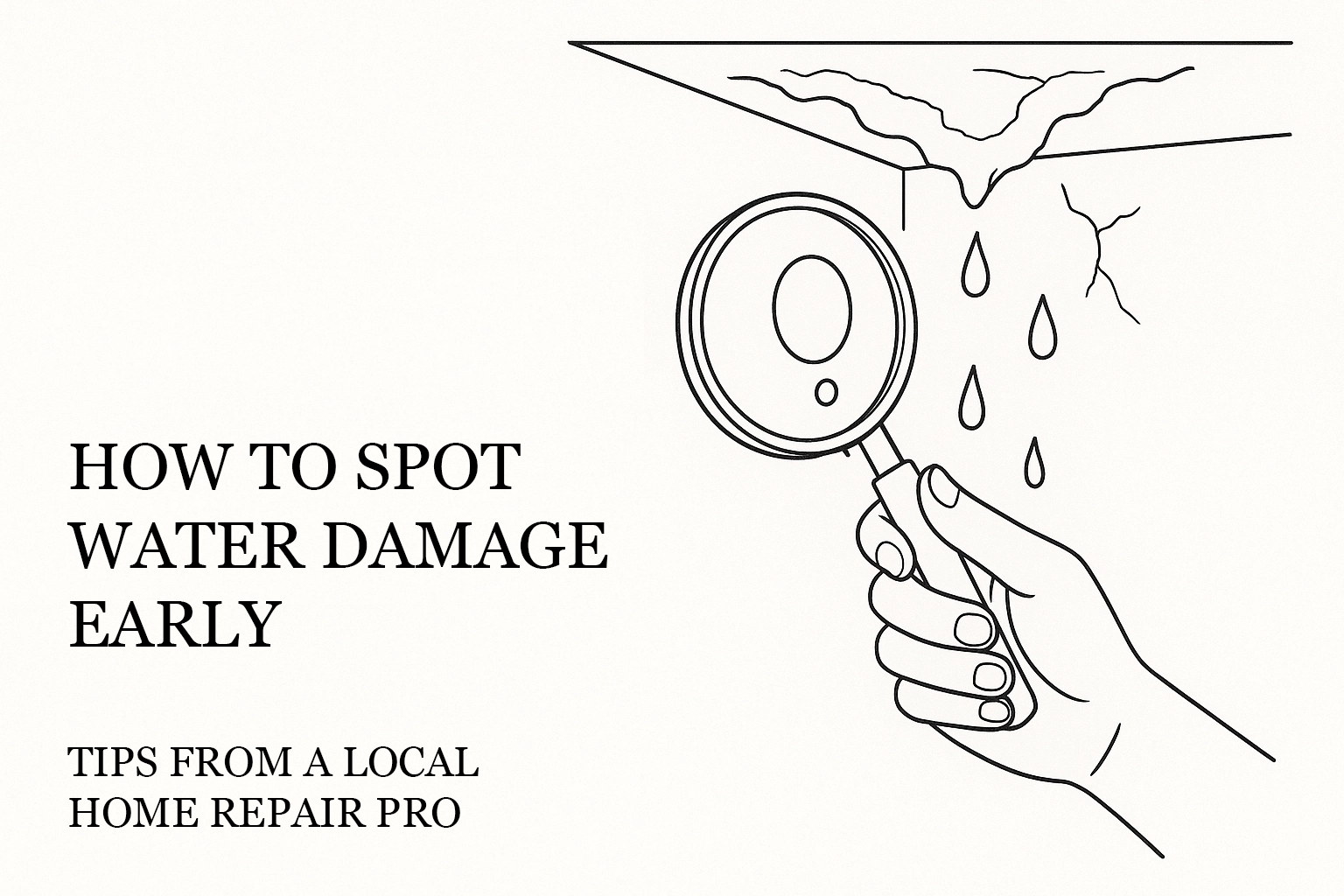
How to Spot Water Damage Early: Tips from a Local Home Repair Pro
How to Spot Water Damage Early: Tips from a Local Home Repair Pro
Water damage is one of those sneaky home problems that can cost you thousands if you don't catch it early. Here in the Salt Lake Valley, we see everything from burst pipes during those brutal winter freezes to summer flash floods that find their way into basements. As your local home repair Salt Lake experts, we've walked into too many homes where a small leak turned into a major reconstruction project.
The good news? Most water damage gives you warning signs long before it becomes catastrophic. You just need to know what to look for.
The Visual Red Flags You Can't Ignore
Water Stains and Discoloration
Those yellowish-brown rings on your ceiling or walls aren't just cosmetic issues – they're your home's way of waving a red flag. These stains often show up as circular patterns where water has been dripping, or as larger irregular patches where moisture has been seeping through.
Don't assume old stains are harmless. If a stain feels damp to the touch or seems to be growing, you've got active water infiltration. Even dry stains deserve attention because they can show you where problems have occurred before – and where they'll likely happen again.
Paint and Wallpaper Rebellion
When paint starts bubbling, peeling, or cracking for no apparent reason, water is usually the culprit. Moisture weakens the bond between paint and your walls, causing that telltale bubbling effect. Wallpaper is even more sensitive – it'll start curling at the edges or developing those weird air pocket blisters.
Here's a pro tip from our handyman Utah experience: if you can easily peel paint away in large strips, there's moisture behind that wall. Normal paint doesn't just fall off like that.
Warped and Buckled Flooring
Your floors take a beating from water damage because gravity pulls moisture downward. Hardwood floors will start to cup, crown, or develop gaps between boards. Laminate flooring gets that spongy feel and might start separating at the seams. Even tile can become loose if the subfloor underneath is compromised.
An entire kitchen floors might end up needing replacement because a small dishwasher leak went unnoticed for months. "A few loose tiles" often reveal much bigger problems underneath.
Structural Warning Signs That Demand Attention
Sagging and Bowing
When your ceiling starts to sag or your walls begin bowing outward, that's not settling – that's structural damage from water accumulation. This is emergency territory. The weight of trapped water can cause sudden collapses.
Don't wait if you notice any sagging. Contact a structural specialist or engineer (we've got a few on our team) to get it inspected immediately.
Cracks Tell Stories
Small hairline cracks in drywall might seem insignificant, but they often indicate movement caused by moisture-weakened materials. Larger cracks, especially those that follow a spiderweb pattern, suggest more serious structural shifting.
Pay special attention to cracks near windows, doors, and where walls meet ceilings – these are common entry points for water.
Loose Baseboards and Trim
Baseboards are like canaries in a coal mine for water damage. Because they sit at floor level, they're often the first to show signs of moisture problems. Look for gaps appearing between the baseboard and wall, warping wood, or paint that's peeling specifically along the bottom edge of walls.
Trust Your Senses
The Musty Smell Test
Your nose knows water damage before your eyes do. That persistent musty, earthy odor – especially in basements, bathrooms, or closets – indicates hidden moisture and possible mold growth. Don't ignore it or try to cover it with air fresheners. Find the source.
As a home repair Salt Lake company, we often trace mysterious odors to small leaks in walls or under floors that homeowners had no idea existed.
Touch and Feel
Run your hands along walls, especially in bathrooms, kitchens, and basements. Healthy drywall should feel solid and dry. If you find areas that feel soft, spongy, or cool to the touch, there's likely moisture behind the surface.
Try the "tap test" too – gently knock on suspected areas. Water-damaged drywall often sounds dull or different than solid, dry material.
Hidden Indicators Most Homeowners Miss
Your Water Bill Doesn't Lie
A sudden spike in your water usage without explanation often points to a hidden leak somewhere in your home's plumbing system. Many homeowners find leaks in walls, under slabs, and in crawl spaces that homeowners had no idea existed until they saw their bill.
Foundation and Exterior Signs
Walk around your home's exterior regularly. Water stains on the foundation, white mineral deposits (efflorescence), or mold growth on exterior walls can indicate water pooling around your home's perimeter. Often this comes from clogged gutters or poor drainage.
Mold: The Unwelcome Houseguest
Mold loves moisture, and it doesn't waste time. You might spot it first in corners where walls meet ceilings, along window sills, or in bathroom seams. The size and extent of mold growth can tell you how long water damage has been present – larger colonies suggest the problem has been brewing for weeks or months.
Utah-Specific Water Damage Causes
Living in the Salt Lake Valley presents unique challenges. Our dramatic temperature swings can cause pipes to freeze and burst. The clay soil common in areas like Sandy and West Valley City doesn't drain well, leading to foundation seepage. Spring snowmelt can overwhelm gutters and drainage systems.
Summer flash floods are increasingly common, and older homes in neighborhoods like Sugar House or Capitol Hill may have aging plumbing that's more susceptible to leaks.
When Professional Help Is Non-Negotiable
Some water damage signs require immediate professional attention. Don't attempt DIY repairs if you notice:
Any sagging in ceilings or floors
Electrical outlets or switches that feel warm or show water damage
Widespread mold growth
Structural cracks that are growing
Water damage near your home's foundation
How Your Handyman Pros Can Help
Early detection is just the first step. Once you've identified potential water damage, you need experienced professionals to assess the extent and create a repair plan. Our team has the tools and expertise to:
Conduct thorough moisture inspections using specialized equipment
Identify hidden damage behind walls and under floors
Create comprehensive repair plans that address both damage and root causes
Work with insurance companies to document damage properly
Prevent future water intrusion through proper sealing and drainage solutions
If Salt Lake Valley homeowners catch water damage early, it can save them thousands in potential repairs. From small bathroom leaks to major foundation seepage, we've seen it all and know how to fix it right the first time.
The Bottom Line
Water damage rarely announces itself with dramatic floods. More often, it's a slow, sneaky process that gives you plenty of warning signs if you know what to look for. Regular home inspections, trust in your senses, and quick action when you spot problems can save you from major headaches and expenses down the road.
Remember, catching water damage early isn't just about protecting your wallet – it's about protecting your family's health and safety. Mold, structural damage, and electrical hazards from water intrusion can create dangerous living conditions.
Don't wait until small signs become big problems. If you've noticed any of these warning signs in your Salt Lake Valley home, give Your Handyman Pros a call. We're here to help you protect one of your biggest investments with honest assessments, quality repairs, and the kind of local expertise that comes from years of serving our community.
After all, we live here too, and we want every home in the valley to be safe, dry, and comfortable for the families inside.

The Most Common DIY Handyman Mistakes – And How Our Pros Fix Them in the Salt Lake Valley
We've all been there – staring at a YouTube tutorial, convinced we can tackle that home repair project ourselves. Hey, how hard can it be, right? Well, as a Salt Lake handyman who's spent years fixing DIY disasters across the valley, I can tell you that enthusiasm doesn't always translate to expertise.
Don't get me wrong – I love a good DIY spirit! But after seeing the same mistakes over and over again, I thought it was time to share what we encounter most often and how we help homeowners get back on track.
The "How Hard Can It Be?" Mentality
The biggest mistake we see from Salt Lake Valley homeowners isn't technical – it's psychological. People watch a 10-minute video and think they've got it all figured out. But here's the thing: those videos don't show you what happens when things go wrong, and they definitely don't prepare you for the surprises hiding behind your walls.
A "simple" bathroom paint job can easily turn into a nightmare when you end up punching a hole in your drywall while trying to remove old caulk. What should have been a weekend project turned into a week-long repair involving new drywall, texture matching, and professional painting.
How we fix it: Our team always starts with a thorough assessment. We look for potential issues before they become problems, and we come prepared with backup plans. That "simple" paint job? We would have spotted the deteriorating drywall and addressed it upfront.
Measurement Madness
"Measure twice, cut once" isn't just an old saying – it's gospel in the handyman world. Yet we constantly get calls to fix projects where homeowners eyeballed measurements or forgot to account for things like trim, outlets, or existing fixtures.
A homeowner might try to install floating shelves in their home office. They measure the wall space perfectly but forget to account for the baseboard trim. Result? Three unusable shelves and multiple holes in the wall that needed patching and repainting.
How we fix it: Professional measuring isn't just about the tape measure. We use laser levels, account for all existing fixtures, and always double-check our work. Plus, we know the little tricks – like how Salt Lake Valley homes built in the 1980s often have walls that aren't quite square.
The Wrong Tool Trap
Using a butter knife as a screwdriver might work in a pinch, but using the wrong tools for home repairs usually creates more problems than it solves. We've seen everything from stripped screws to cracked tiles to damaged pipes because someone tried to make do with whatever was in their junk drawer.
How we fix it: We show up with the right tools for the job – and backups. That specialized bit for your weird European cabinet hardware? We've got it. The specific wrench for your older plumbing fixtures? It's in the truck. Having the right tools isn't just about efficiency; it's about preventing damage.
Bathroom Blunders
Bathrooms are particularly tricky because they involve multiple trades – plumbing, electrical, tiling, and waterproofing. We see more DIY disasters in bathrooms than anywhere else, and they're usually expensive to fix.
The most common mistake? Improper waterproofing. Some homeowners might attempt to retile their own showers. If they skip the proper membrane installation, within six months, they can have water damage in the subfloor and framing behind the shower. What started as a $500 DIY project can become a $4,000 professional repair.
Another frequent issue is grab bar installation. Homeowners often just screw them into drywall without proper backing. When someone actually needs to use that grab bar for support, it rips right out of the wall – potentially causing injury.
How we fix it: Proper bathroom work requires understanding the layers – from framing to waterproofing to finish work. We install proper backing for grab bars during construction, use appropriate waterproofing materials, and understand Utah building codes for bathroom safety.
Electrical and Plumbing: The Big No-Nos
Here's where I get serious. Some DIY mistakes are inconvenient. Others are dangerous. Electrical and plumbing work falls into that second category, and too many homeowners in the Salt Lake Valley attempt these projects themselves.
DIY electrical work isn't just dangerous – it can void your homeowner's insurance and cause problems when you try to sell your home. Utah has specific electrical codes, and inspectors know what to look for.
Similarly, plumbing mistakes can cause thousands of dollars in water damage. That "simple" faucet replacement can quickly turn into a flooded kitchen if you don't know how to properly shut off water or if you overtighten connections.
How we fix it: We're licensed and insured for electrical and plumbing work. We understand local codes, we pull proper permits when needed, and we guarantee our work. More importantly, we know when a job is beyond our scope and needs a specialized contractor.
The Rush Job Reality
DIY projects always take longer than expected – always. But instead of accepting that reality, many homeowners try to rush through steps to get back on schedule. This leads to skipped prep work, shortcuts on safety, and sloppy finishing.
Some homeowners might undertake their own deck staining project. If they skip the cleaning and prep work to save time, the stain can go on unevenly and start peeling within a month. At that point, they have to sand the entire deck and start over.
How we fix it: Professional work takes time because we do it right the first time. We don't skip prep work, we allow proper drying times, and we plan for the unexpected. Yes, it takes longer than the DIY approach, but the results last.
Seasonal Mistakes That Cost Big
Living in the Salt Lake Valley means dealing with serious seasonal changes, and many DIY mistakes are weather-related. Fall yard cleanup might seem straightforward, but improper tree trimming can damage trees or property. Winter prep mistakes can lead to frozen pipes or ice dam damage.
How we fix it: We understand Utah's climate and seasonal challenges. Our team knows which trees should be trimmed when, how to properly winterize irrigation systems, and what signs to look for that indicate potential winter damage.
When to Call Your Handyman Pros
Look, I'm not trying to scare you away from DIY projects entirely. There are plenty of things homeowners can and should tackle themselves – changing air filters, basic cleaning, simple organization projects.
But for anything involving:
Electrical work
Plumbing modifications
Structural changes
Waterproofing
Complex installations
Safety-critical items like grab bars or railings
It's worth calling a professional Salt Lake handyman with a team of licensed electricians and plumbers.
The Real Cost of DIY Mistakes
When we fix DIY disasters, homeowners often tell us they wish they'd called us first. Not just because of the time and frustration they would have saved, but because the cost of fixing a mistake is almost always more than the cost of doing it right the first time.
That bathroom retiling job that went wrong? The homeowner ended up paying more for our repair work than he would have paid for us to do the entire project professionally from the start.
Working Smart in the Salt Lake Valley
As your local Salt Lake Valley handyman team, we're not here to judge your DIY attempts – we're here to help when things don't go according to plan. We've seen every mistake in the book, and we know how to fix them quickly and affordably.
Remember that good help is just a phone call away. Sometimes the smartest DIY decision is knowing when to call in the pros.
Ready to tackle that project the right way from the start? Contact Your Handyman Pros for reliable home repair services throughout the Salt Lake Valley. We do the jobs with precision, expertise, and a guarantee you can trust.

How to Winterize Outdoor Living Spaces: Decks, Patios & Hot Tubs in Utah
Utah's winters can be brutal on outdoor living spaces. All across the Salt Lake Valley, protecting your decks, patios, and hot tubs before the snow flies isn't just smart: it's essential for avoiding costly spring repairs.
As a Salt Lake handyman who's seen too many preventable winter disasters, I'm sharing the complete guide to winterizing your outdoor spaces. Let's dive into the practical steps that'll save you money and headaches come spring thaw.
Why Winterizing Matters in Salt Lake Valley
Our Utah winters throw everything at outdoor spaces: freezing temperatures, heavy snowfall, and those brutal freeze-thaw cycles that can destroy even the best-built structures. Homeowners who skip winterization often face cracked concrete, rotted wood, and damaged equipment that could've been easily prevented.
The good news? Most winterization tasks are straightforward, though some require professional expertise: especially when it comes to structural assessments or complex hot tub systems.
Deck Winterization: Protecting Your Investment
Structural Inspection First
Before winter hits, walk your entire deck looking for loose boards, wobbly railings, or rusty fasteners. Pay special attention to areas where snow typically accumulates. If you're unsure about structural integrity, a handyman in your local area (like us) can perform a thorough safety inspection.
Cleaning and Sealing
Start with a deep clean using a deck cleaner appropriate for your material: whether that's composite, cedar, or pressure-treated lumber. Once completely dry, apply a quality sealant or stain. This step is crucial in our Salt Lake Valley climate where moisture penetration can lead to splitting and rot.
Pro tip: Don't seal in temperatures below 50°F or if rain is forecast within 48 hours. Utah's unpredictable fall weather can make timing tricky.
Snow Load Considerations
Utah decks need to handle significant snow loads. Clear accumulated snow regularly, but use plastic shovels to avoid gouging the surface. For elevated decks, ensure support posts and beams are in good condition: snow can add thousands of pounds of weight.
Railing and Stair Safety
Check that railings are solid and height-appropriate (36 inches minimum). Apply non-slip strips to stairs, or consider having a handyman in Herriman install heated stair mats if your budget allows.
Patio Winterization: More Than Just Furniture Storage
Furniture and Decor Protection
Clean all patio furniture thoroughly before storage. Metal pieces should be completely dry to prevent rust, while wooden furniture benefits from a coat of protective oil. If you don't have indoor storage space, invest in quality waterproof covers: they're cheaper than replacing furniture come spring.
Store cushions and fabric items indoors. Even "weather-resistant" materials can develop mold and mildew in Utah's winter moisture conditions.
Dealing with Pavers and Concrete
Concrete and paver patios expand and contract with temperature changes. Seal any cracks before winter to prevent water infiltration and freeze damage. For established patios, consider having a professional assess whether crack sealing or more extensive repairs are needed.
Planter and Plant Protection
Terra cotta and ceramic planters are winter's biggest casualties. Bring them inside or wrap them with insulating materials. For permanent planters, ensure proper drainage: standing water that freezes will crack even the sturdiest containers.
Move tender plants to protected areas or wrap them in burlap. Utah's temperature swings can fool plants into breaking dormancy early, making them vulnerable to late freezes.
Water Feature Winterization
Turn off and drain all patio water features. Even small fountains can cause expensive damage if pipes freeze and burst. If your water feature is complex, consider hiring a home repair professional to ensure it's properly winterized.
Hot Tub Winter Prep: Keep the Relaxation Going
Year-Round Use Strategy
Many Salt Lake Valley residents keep their hot tubs running all winter: and why not? There's nothing like soaking in 104°F water while snowflakes fall around you. However, this requires specific winterization steps.
Insulation and Cover Maintenance
Check your hot tub cover for tears, sagging, or worn straps. A damaged cover in Utah winters means sky-high heating bills and potential freeze damage. Quality covers should have minimal heat loss: if yours feels light or waterlogged, it's time for replacement.
Add extra insulation around the cabinet and plumbing if needed. Some handyman Bountiful Utah professionals specialize in hot tub winterization and can assess whether your setup needs upgrades.
Chemical Balance and Filtration
Winter water chemistry requires different attention than summer. Cold air affects pH levels, and reduced usage means filtration cycles can often be shortened. However, don't let the water freeze: even a few hours of power outage in sub-zero weather can destroy pumps and plumbing.
Emergency Preparations
Have a backup plan for power outages. Some hot tub owners use small generators to keep pumps running during outages. Others drain their tubs if they'll be away for extended periods during the coldest months.
Seasonal Shutdown (If Needed)
If you choose to shut down for winter, this isn't a DIY job unless you're experienced. Improper draining can leave water in lines that will freeze and crack. Professional winterization typically costs less than repairing freeze damage.
Outdoor Furniture and Equipment Storage
Grills and Outdoor Kitchens
Clean grills thoroughly and disconnect propane tanks. Store gas tanks upright in well-ventilated areas: never in enclosed spaces. For permanent outdoor kitchens, turn off water supplies and drain all lines.
Outdoor Electronics and Lighting
Remove or cover outdoor speakers, lighting controls, and other electronics. Utah's freeze-thaw cycles are hard on connections and housings. Store removable items indoors when possible.
Garden Tools and Equipment
Clean and oil all metal tools before storage. Drain garden hoses completely and store them coiled in heated spaces. Even "frost-proof" hose bibs can fail in extreme cold, so know where your main water shut-off is located.
Safety and Accessibility Concerns
Ice Prevention Strategies
Utah homeowners know that ice is a major liability. Apply ice melt products designed for concrete and vegetation: avoid rock salt, which can damage both surfaces and nearby plants. For recurring ice problems, consider having heated walkways or mats installed.
Lighting for Short Days
Winter means arriving home in the dark. Ensure pathway lighting is working properly. Motion-sensor lights are particularly valuable for illuminating deck stairs and patio entrances safely.
Emergency Access
Keep pathways to outdoor spaces clear for emergency access. This includes routes to hot tubs, decks, and any outdoor utility connections. Emergency responders need clear paths, and you'll want access if winter storms cause damage.
When to Call Your Handyman Pros
Structural Concerns
Don't guess about structural integrity. If you notice sagging, unusual movement, or concerning cracks, call a Salt Lake handyman for professional assessment. It's much cheaper to address problems in fall than after winter damage occurs.
Complex Systems
Hot tub winterization, outdoor kitchen plumbing, and electrical systems often require professional expertise. Attempting DIY repairs on complex systems can void warranties and create safety hazards.
Time and Tool Constraints
Many winterization tasks require specific tools and knowledge. If you're short on time or unsure about proper techniques, professional winterization pays for itself in prevented damage.
Planning Ahead for Spring
Keep records of what you've done each fall. Take photos of stored items and note any repairs needed. This documentation helps you remember what needs attention come spring and can be valuable for insurance purposes if winter damage occurs.
Consider scheduling spring inspections now. Many handymen in the Salt Lake Valley offer better rates for off-season bookings, and you'll have priority scheduling when busy spring season arrives.
Getting Started This Weekend
Winter preparation doesn't have to be overwhelming. Start with the basics: clean and store what you can, seal obvious cracks, and check that covers and insulation are in good shape. For complex tasks or if you're unsure about anything, Your Handyman Pros serves homeowners throughout the entire Salt Lake Valley.
Remember, proper winterization isn't just about preventing damage: it's about ensuring your outdoor spaces are ready for another season of Utah mountain living. Take care of them now, and they'll take care of you for years to come.
Don't wait until the first hard freeze hits. Utah weather can change quickly, and being prepared means you can actually enjoy those first snowy days instead of worrying about what you forgot to winterize.

7 Common Winter Home Disasters (And How to Prevent Them Before January Hits)
Hey there, Salt Lake Valley homeowners! Hope you're keeping warm in energy efficient ways (check out our blog on how to get warm without burning unnecessary cash.) Winter can bring a lot of problems, and here's the thing that drives me crazy: most effects from winter disasters are totally preventable. You just need to know what to look for and take action before that first big snowfall hits.
So grab a cup of coffee, and let's talk about seven common winter nightmares: and more importantly, how you can avoid them completely.
1. Burst Pipes: The #1 Winter Emergency Call
Nothing ruins a cold morning quite like discovering a burst pipe has turned your basement into an indoor swimming pool (or even worse, an ice rink.) As a home repair**** specialist in Salt Lake, I can tell you that frozen pipes can cause a massive amount of damage to your beloved home.
Here's what happens: When water freezes, it expands by about 9%. That expansion creates massive pressure inside your pipes: sometimes over 2,000 pounds per square inch. Even the strongest pipes can't handle that kind of stress.
Prevention is simple:
Insulate any pipes in unheated areas like crawl spaces, attics, and garages
Keep cabinet doors open under sinks during cold snaps to let warm air circulate
Let faucets drip slightly when temperatures drop below 20°F
Disconnect and drain outdoor hoses before the first freeze
The pipes that burst most often? The ones running along exterior walls and in unfinished basements. A $20 pipe insulation kit can save you thousands in water damage restoration.
2. Ice Dams: The Silent Roof Destroyer
Ice dams look pretty, but they're absolute killers for your roof and interior. I see these whenever I drive past homes in the early morning after snowfall: those thick icicles hanging from gutters aren't just decorative. They're a warning sign.
Ice dams form when heat escapes from your attic, melting snow on your roof. The melted water runs down to the cold edge and refreezes, creating a dam. When more snow melts, that water has nowhere to go except under your shingles and into your house.
Stop ice dams before they start:
Clean gutters thoroughly before winter (I mean spotless: not a single leaf)
Add attic insulation to prevent heat loss
Seal air leaks around attic penetrations
Install proper attic ventilation
Trust me, spending $300 on gutter cleaning beats dealing with $5,000 in ceiling repairs come February. Be careful when clearing ice from your gutters and roof. We appreciate a DIY spirit, but we've got specialists on our team that can take care of it efficiently and safely if you don't feel comfortable being up on an icy roof.
3. Deck and Woodwork Damage from Freeze-Thaw Cycles
Utah's crazy temperature swings wreak havoc on outdoor wood structures. One day it's 45°F and sunny, the next it's 15°F with snow. This freeze-thaw cycle splits deck boards, loosens railing posts, and creates safety hazards.
As a Utah handyman who's worked with a number of decks, I frequently see cracked boards, wobbly railings, and rotted support posts. These major disasters that crop up in the spring frequently started as minor damage in the winter.
Protect your investment:
Apply fresh deck stain or sealant every fall
Clear snow off decks after heavy storms (wet snow is heavy and destructive, and be sure to use a plastic shovel if possible so you don't gouge the wood)
Check for loose fasteners and tighten before winter
Trim back any vegetation touching your deck
Wood movement from temperature changes is normal, but proper maintenance keeps small issues from becoming major repairs.
4. Electrical Issues from Snow and Ice
Heavy snow and ice storms knock out power lines, but they also create dangerous situations right at your house. Snow buildup can pull electrical lines loose from homes, and ice accumulation can damage outdoor electrical boxes.
Keep your electrical systems safe:
Trim tree branches away from power lines (call professionals for this)
Clear snow away from your electrical meter and outdoor outlets
Check that your main electrical panel is accessible and not blocked by storage
Test GFCI outlets monthly: cold weather can cause them to trip unexpectedly
Never ignore a flickering light or an outlet that stops working in winter. Cold temperatures can reveal wiring problems that need immediate attention from a qualified electrician.
5. Foundation Cracks and Basement Flooding
April showers bring May flowers, but April snowmelt can bring basement flooding (sorry for the lack of a rhyme; I'm a handyman, not a poet.) The combination of frozen ground and massive snowmelt creates perfect conditions for foundation leaks.
Water can't soak into frozen soil, so it flows toward your house instead. Add poor drainage around your foundation, and you've got a recipe for basement flooding.
Protect your foundation now:
Grade soil away from your foundation (6-inch drop over 6 feet minimum)
Extend downspouts at least 6 feet from your house
Seal any visible foundation cracks before they freeze and expand
Test your sump pump if you have one: make sure it's working before you need it
Foundation repairs are expensive and disruptive. A little prevention work now saves massive headaches later. It's fine to DIY what you can, but if a crack is wider than 1/8 of an inch or shows signs of bowing, I would advise letting one of our team's foundational experts take a look at it.
6. HVAC System Failures
Your furnace works overtime during Salt Lake Valley winters, and that extra stress reveals problems fast. I can't tell you how many times I've gotten emergency calls about furnaces dying during cold snaps, usually at the worst possible moment.
Keep your heating system running strong:
Change furnace filters monthly during winter (dirty filters kill efficiency and strain the system)
Clear snow away from outdoor heat pump units and vents
Schedule professional HVAC maintenance before December
Keep emergency space heaters on hand (but use them safely: never leave unattended)
A $150 furnace tune-up beats a $3,000 emergency replacement during a January blizzard.
7. Gutter Failures and Roof Drainage Problems
Clogged or damaged gutters cause more winter problems than almost anything else. When gutters can't handle snowmelt, water backs up under shingles, overflows onto walkways (hello, ice hazard), and saturates soil around your foundation. While someone slipping on ice might make a funny scene in a Christmas special, it's the type of scene we don't want to see play out in real life.
Maintain proper drainage:
Clean gutters twice before winter: once after leaves fall, again before first snow
Check that downspouts drain properly and aren't clogged
Repair any loose or sagging gutter sections
Consider gutter guards if you're tired of cleaning them constantly
I see the same houses every year with the same gutter problems. Don't be that homeowner.
Taking Action Before January
Look, I get it. Home maintenance isn't exciting. But spending a weekend in December checking these items off your list beats spending your tax refund on emergency repairs.
As a Salt Lake Valley handyman who's been serving families in the area for years, I've learned that the best customers are the ones who call me for prevention, not panic.
Most of these tasks are DIY-friendly, but don't hesitate to call in professionals when you're not sure. A small service call now costs way less than a major repair later.
Your winter prep checklist:
Inspect and insulate pipes in vulnerable areas
Clean gutters and check drainage
Seal air leaks around windows, doors, and attic penetrations
Service your furnace and test heating systems
Examine outdoor wood structures for damage
Clear vegetation from electrical equipment
Test sump pumps and drainage systems
Ready for a Stress-Free Winter?
Winter in the Salt Lake Valley doesn't have to mean disaster. With the right preparation, you can enjoy the snow instead of worrying about what it's doing to your house.
If you need help with any of these prevention steps, Your Handyman Pros is here to help. We've been keeping Salt Lake Valley homes safe and sound for years, and we'd love to add your property to our list of well-maintained homes.
Stay warm, stay safe, and remember: a little prevention goes a long way.
Your Handyman Pros serves homeowners and businesses throughout the Salt Lake Valley, including Herriman, Sandy, Riverton, Bountiful, West Valley City, and Magna. Contact us at 801-949-2376 for all your winter preparation needs.

Are You Making These Winter Energy Mistakes? A Home Remodel Contractor in Utah Reveals What's Costing You Money
Are You Making These Winter Energy Mistakes? A Home Remodel Contractor in Utah Reveals What's Costing You Money
Winter's here in Utah, and if you're like most homeowners across the Salt Lake Valley, you're probably watching your energy bills climb higher each month. But what if I told you that many of those sky-high heating costs aren't just from Utah's brutal cold snaps: they're from simple mistakes that are totally fixable?
As a home remodel contractor in Utah who's been helping families winterize their homes for years, I see the same energy-wasting patterns over and over. The good news? Most of these mistakes are easy (and affordable) to fix once you know what to look for.
Let me walk you through the seven biggest winter energy mistakes I see Utah homeowners making: and how you can stop throwing money out the window this season.
Mistake #1: Skipping Your Annual Furnace Tune-Up
This one's huge, and I can't stress it enough. Your furnace is like your car: skip the maintenance, and you'll pay for it later. Way too many homeowners think their furnace is "running fine" just because it's producing heat.
But here's what's really happening: dust builds up, parts get loose, and airflow gets restricted. Your furnace starts working twice as hard to heat your home, burning through gas or electricity like there's no tomorrow.
A professional tune-up from one of our team's licensed HVAC technicians can reduce your winter energy bills by 10-15%. Plus, we catch small problems before they turn into expensive mid-winter breakdowns. Trust me: there's nothing worse than your furnace dying during a January cold snap.
Mistake #2: Setting Your Thermostat Like It's July
I get it: nobody wants to be cold in their own home. But keeping your thermostat cranked up to 75° all winter is costing you serious money.
The Department of Energy recommends 68° when you're home and awake, then lowering it while you sleep or leave the house. If you drop your thermostat by 7-10 degrees for 8 hours a day, you'll save up to 10% on your heating costs annually.
For a Salt Lake Valley home with a $200 monthly winter heating bill, that's $60 back in your pocket each winter season. Not bad for just grabbing an extra blanket, right?
Mistake #3: Ignoring Those Drafty Windows and Doors
Utah's dry air and temperature swings are brutal on window seals and door frames. Many homeowners can lose up to 30% of their heat through drafty windows alone.
Walk around your house on a windy day and feel for cold air sneaking in around windows, doors, and even electrical outlets on exterior walls. Those little drafts add up to big energy waste.
Simple weatherstripping and caulking jobs can make a massive difference. As your local handyman, I can knock out these quick fixes in an afternoon, and you'll feel the difference immediately.
Mistake #4: Forgetting About Your Furnace Filter
This one drives me crazy because it's so simple, yet so many homeowners in Sandy and Magna forget about it. A clogged furnace filter is like trying to breathe through a dirty sock: your system works twice as hard to push air through.
In Utah's dusty climate, I recommend checking your filter monthly and replacing it every 1-3 months during heating season. A $15 filter replacement can save you hundreds in energy costs and prevent expensive furnace repairs down the road.
Mistake #5: Missing Out on Free Solar Heat
Here's the thing about Utah winters: we actually get tons of sunshine, even when it's freezing outside. But some people keep their blinds and curtains closed all day long.
Open those south-facing window coverings during sunny winter days! It's free heating that can noticeably reduce how often your furnace kicks on. Then close them at night to add an extra layer of insulation.
This simple daily habit costs nothing and can make a real dent in your energy bills.
Mistake #6: Blocking Vents and Ignoring Ductwork
You'd be surprised how many homes I visit where furniture is pushed right up against heating vents, or where dust bunnies have taken over the ductwork. When heated air can't flow properly, your furnace runs longer trying to warm up those cold spots.
Make sure all your vents are clear and consider having your ducts professionally cleaned every few years. Clean, unobstructed ductwork can make a huge difference with heating efficiency.
Mistake #7: Cranking Up the Water Heater
Most water heaters come set at 140°, but you can drop that to 120° without noticing any difference in your shower. This simple adjustment can save you 3-4% annually on water heating costs.
While you're at it, check if your water heater tank and pipes need insulation. Heat loss from an uninsulated water heater is money literally going up in smoke (or steam, in this case).
And while you might want to save even more money by dropping that temperature down to 80° and dedicating yourself to a lifetime of cold showers, going below 120° can cause potential health concerns. Legionella bacteria ain't pretty.
The Smart Thermostat Game-Changer
If you're still using an old manual thermostat, you're missing out on serious savings. Smart thermostats learn your schedule and automatically adjust temperatures when you're away or asleep.
Clients can typically see 10-15% savings on their heating bills by investing in a smart thermostat. The thermostat pays for itself within a year or two, then keeps saving you money for years to come.
Don't Forget the Bigger Picture
While these quick fixes will definitely help your energy bills, sometimes the biggest savings come from larger improvements. Poor insulation in your attic or basement, old windows, or an aging furnace might be the real culprits behind those outrageous winter bills.
Your handyman team can do a quick energy audit to identify where your home is losing the most heat. Sometimes a small investment in insulation or window upgrades pays for itself in just a few winters.
Your Next Steps
Don't let another month go by throwing money away on preventable energy waste. Start with the simple fixes: change that furnace filter, adjust your thermostat, and seal up those drafts around windows and doors.
For the bigger jobs like ductwork cleaning, insulation upgrades, or smart thermostat installation, that's where Your Handyman Pros comes in. We've helped hundreds of Utah Valley families cut their winter energy costs while making their homes more comfortable.
The best part? Most of these energy-saving improvements qualify for utility rebates, so you save money upfront AND on your monthly bills.
Ready to stop overpaying for heat this winter? Let's talk about which energy-saving upgrades make the most sense for your home and budget. Because in Utah's unpredictable winter weather, every dollar you save on energy is a dollar you can spend on something more fun than utility bills.
Your furnace (and your wallet) will thank you.

7 Mistakes Utah Valley Homeowners Make with Holiday Kitchen Prep (And How Your Handyman Can Fix Them Fast)
7 Mistakes Utah Valley Homeowners Make with Holiday Kitchen Prep (And How Your Handyman Can Fix Them Fast)
The holidays are coming faster than a snowstorm hitting the Wasatch Front, and if you're like most Salt Lake Valley homeowners, your kitchen is about to become command central for feeding everyone from Great Aunt Martha to your neighbor's kids who somehow always show up right at dinner time.
But here's the thing – every year, we see the same kitchen prep mistakes that turn holiday cooking from joyful to stressful. The good news? Most of these issues can be fixed fast with the right handyman help, and you don't need a full kitchen remodel to make your space holiday-ready.
Let's dive into the seven biggest mistakes we see Utah Valley homeowners make when prepping their kitchens for the holidays – and more importantly, how to fix them before your guests arrive.
Mistake #1: Ignoring Wobbly Cabinet Doors That Won't Stay Closed
Picture this: You're juggling a 20-pound turkey, three side dishes, and trying to grab plates from the cabinet when – WHAM! – that loose cabinet door swings open right into your face. Or, less dramatically, they just swing open a lot and your in-laws sniff with barely concealed disdain at your inability to maintain a proper home.
Loose hinges and worn cabinet hardware are kitchen disasters waiting to happen during the holiday rush. When you're moving fast and carrying hot dishes, the last thing you need is cabinet doors that have a mind of their own.
The Quick Fix: A skilled handyman can tighten loose hinges, replace worn hardware, and adjust cabinet doors fairly quickly. Hinges and replacement cabinet parts are quite affordable. Some cheap parts and a few hours of work can make your entire kitchen feel solid and reliable again.
Mistake #2: Terrible Lighting That Makes Food Prep a Guessing Game
Utah's early winter sunsets mean you'll be doing most of your holiday cooking in artificial light. If your kitchen lighting makes chopping vegetables feel like performing surgery with a flashlight, you're setting yourself up for frustration (and possibly a trip to the ER).
Too many Salt Lake Valley homeowners try to power through holiday cooking with that one dim overhead light from 1987, wondering why everything takes twice as long and nothing looks quite right.
The Quick Fix: Installing under-cabinet LED strips or adding pendant lights over your kitchen island isn't rocket science – it's handyman territory. A qualified handyman that residents trust can add task lighting in a few hours, transforming your kitchen workspace from cave-like to chef-ready. You're looking at $100-300 for materials and a morning of work for lighting that'll make your holidays (and every day) better.
Mistake #3: Kitchen Islands and Prep Carts That Shake Like Earthquake Simulators
Nothing screams "amateur hour" like trying to roll out pie crust on a wobbly kitchen island while your prep cart does the cha-cha across the floor. Many homeowners fight unstable surfaces all year and finally reach their breaking point during Christmas dinner prep.
Loose bolts, uneven legs, or poor initial installation turn what should be your kitchen workhorses into frustrating obstacles. When you're kneading bread or carving turkey, you need surfaces that stay put.
The Quick Fix: A home remodel contractor Utah residents rely on can stabilize your kitchen island, tighten loose connections, and level surfaces in one visit. Sometimes it's as simple as adjusting leveling feet or adding corner braces. Even major stability issues rarely require more than $50-150 in materials and a couple hours of skilled work.
Mistake #4: Not Enough Electrical Outlets (Or Outlets in Terrible Spots)
Here's a scene that plays out in every Utah Valley kitchen during the holidays: You've got the turkey in the oven, stuffing on the stove, and you need to plug in the hand mixer, the slow cooker, and the coffee maker. Suddenly you're playing electrical outlet Tetris with extension cords snaking across your kitchen like holiday garland.
Most older homes weren't designed for today's kitchen gadget reality. When you add holiday cooking into the mix, outlet shortages become a real problem.
The Quick Fix: Adding strategically placed outlets is a straightforward job for an electrician. As a trusted handyman, we know some. They can set up GFCI outlets for countertop appliances, USB outlets for charging devices, or dedicated circuits for high-power appliances can usually be installed in half a day. Budget $150-400 per outlet depending on your home's wiring situation.
Mistake #5: Countertop Damage That Gets Worse Under Holiday Stress
That little chip in your laminate countertop or the loose edge you've been ignoring all year? Holiday cooking will find every weakness in your kitchen surfaces and make them worse. Hot pans, heavy mixing bowls, and the general chaos of holiday meal prep will turn minor damage into major headaches. Don't let a $20 fix turn into a $200 problem (or worse, a ruined holiday meal).
The Quick Fix: Minor countertop repairs, edge re-gluing, and surface touch-ups are perfect jobs for a Utah Valley handyman. Most countertop fixes can be completed in under two hours with materials costing less than $100. The key is addressing problems before they get worse, not after your kitchen becomes a holiday war zone.
Mistake #6: Range Hood That Sounds Like a Jet Engine (Or Doesn't Work at All)
Holiday cooking means more steam, more grease, and more cooking odors than your kitchen usually handles. If your range hood sounds like it's trying to achieve liftoff or barely moves any air at all, you're going to have some very uncomfortable guests and a kitchen that smells like turkey until Valentine's Day.
Many Salt Lake Valley homeowners have lived with inadequate ventilation for so long they forget kitchens aren't supposed to fog up like a sauna during normal cooking, let alone holiday marathons.
The Quick Fix: Range hood repair or replacement is bread and butter work for a qualified handyman. Cleaning or replacing filters, fixing motor issues, or upgrading to a more powerful unit can usually be done in a few hours. Even a complete range hood replacement typically runs $200-600 including labor – a small price for comfortable holiday cooking.
Mistake #7: Drawer Slides That Stick or Fall Out Completely
Nothing interrupts your cooking flow like drawers that stick, slide crooked, or come completely out when you're trying to grab utensils quickly. During holiday cooking when you're moving fast and accessing tools constantly, faulty drawer slides go from mildly annoying to absolutely maddening.
This is especially common in older homes throughout the Salt Lake Valley where drawer slides have been working overtime for decades without maintenance or updates.
The Quick Fix: Drawer slide replacement is a straightforward project for a home repair Salt Lake homeowners can count on. New slides typically cost $15-40 per drawer, and installation takes about 30 minutes per drawer. A full kitchen drawer overhaul can usually be completed in half a day, giving you smooth, reliable access to all your cooking tools.
Don't Wait Until the New Year – Get These Fixed Now
Look, we get it. The holidays are expensive enough without adding repair costs to your budget. But here's the thing – these aren't major renovations. We're talking about preventive fixes that cost a fraction of what you'll spend on holiday groceries, and they'll make your cooking experience infinitely better.
The best part? Most of these repairs can be bundled together in one service call. A skilled handyman can often knock out 3-4 of these issues in a single morning, making your kitchen holiday-ready without breaking the bank or your schedule.
Why Choose Your Handyman Pros for Holiday Kitchen Prep
We've been helping Salt Lake Valley homeowners get their homes holiday-ready for years, and we know exactly what needs attention before the cooking chaos begins. Our team provides homeowners with affordable solutions that actually work.
Whether you need a quick hardware fix or a more comprehensive kitchen tune-up, we've got the skills and experience to get it done right the first time. No need to stress about finding multiple contractors or wondering if the job will be done before your guests arrive – we handle it all.
Plus, we understand Utah kitchens. We know the common issues in older Salt Lake Valley homes, the quirks of different neighborhoods, and exactly what it takes to make your kitchen work better for you and your family.
Ready to make this holiday season your smoothest yet? Don't let these common kitchen prep mistakes turn your holiday cooking into a stress-fest. Give Your Handyman Pros a call, and let's get your kitchen ready for whatever the holidays throw at you.
The last thing your Elf on a Shelf needs is an unstable seat that'll send him plunging into an impenetrable void between the counter and fridge. Do it for him.
Contact Your Handyman Pros today for fast, affordable kitchen prep that'll make your holidays memorable for all the right reasons. We're licensed, experienced, and ready to tackle your honey-do list so you can focus on what really matters – making memories with the people you love.
#localhandyman #localcontractor #locallawncare


How to Mulch Fall Leaves for Free in the Salt Lake Valley (No Fancy Equipment Required)
Fall in the Salt Lake Valley means one thing: your yard is about to be buried under a mountain of leaves. While your neighbors are bagging up leaf after leaf and hauling them to the curb (or worse, paying for yard waste pickup), you could be turning that "problem" into free mulch that'll make your yard look like you actually have your life together.
Mulching leaves on the cheap? Oh yeah , there are a few ways to do it that cost basically nothing and still leave your yard looking like you actually planned ahead. Plus, with our dry Utah climate, any free organic matter you can add to your soil is pure gold.
Method 1: Mow Them Into the Lawn (The Zero-Dollar Method)
Honestly, this is the cheapest and fastest approach, and it works like magic on most Salt Lake Valley lawns.
Set your mower to mulch mode (or just plug the bag chute if you don't have a mulching deck). Make two passes at different angles , the first pass chops them up, the second pass turns them into confetti that disappears right into the grass.
The leaves get chopped into tiny pieces and work their way down into your turf, where they'll decompose over winter and feed your lawn come spring. It's like giving your grass a slow-release fertilizer that you didn't have to buy. Your lawn will thank you like you actually remembered its birthday.
Pro tip: This works best when the leaf layer isn't more than an inch thick. If you've got a deeper pile, rake some off first and save them for the other methods below.
Method 2: Garbage Can + String Trimmer = DIY Mulcher
If you've never seen this trick, it's beautifully chaotic , but it works better than you'd expect.
Here's the setup: Toss leaves into a big trash can (about one-third full , don't overstuff it). Stick your string trimmer straight down into the can like you're making the world's loudest smoothie. Turn it on and let it whip those leaves into dust.
The trimmer line acts like a blender blade, turning whole leaves into perfect mulch-sized pieces in about 30 seconds. When you're done, dump the shredded leaves wherever you want mulch around your flower beds, trees, or garden areas.
Cost: Exactly $0, plus a little bit of your dignity when the neighbors stare. But hey, who's laughing when your flower beds look professional and theirs look like a leaf explosion?
Warning: This gets messy. Wear safety glasses unless you enjoy having leaf particles as a fashion accessory.
Method 3: Leaf Pile + Lawnmower (Bulk Mulching)
If your lawn is already cut and you just have piles of leaves sitting around, this is your "contractor efficiency" version of method #1.
Make small leaf piles on the driveway or any bare ground (not on the grass , you'll scalp your lawn). Run the mower right over each pile, letting the blades chop everything up. Then scoop the shredded stuff into beds, bags, or wherever you need mulch.
This method handles bigger volumes than the garbage can trick, and you can knock out several piles in a few minutes. Just don't make the piles too deep, or your mower will bog down like it's trying to cut through concrete.
Method 4: Cheap Mulching Blade Upgrade
Okay, this one costs a tiny bit of money, but we're talking $15–$25 for a mulching blade at any home improvement store : still way cheaper than buying bags of mulch.
A mulching blade has more cutting edges and a different curve that chops leaves way finer and faster than a regular blade. It'll turn your mower into a leaf-shredding machine that makes all the other methods look slow.
If you're planning to do this leaf-mulching thing every fall (and you should), this upgrade pays for itself in one season. Plus, it makes your regular grass cutting better too.
Method 5: Use Them as Free Bed Mulch (No Shredding Required)
Here's the laziest method that still works great : especially if your leaves are from thin, soft trees like maple, ash, or birch.
Just pile them 4–6 inches deep in your flower beds. No chopping, no machinery, no noise complaints from neighbors. Top with about 1 inch of wood mulch or pine straw to keep them from blowing around in those infamous Salt Lake Valley windstorms.
This looks clean, works as well as expensive mulch, and costs next to nothing. The leaves underneath will break down over winter and spring, feeding your soil while the top layer keeps everything looking neat.
Local advantage: This method is perfect for our dry climate because it creates multiple layers of moisture retention. Your plants will stay happier with less watering.
Pro Tips for Salt Lake Valley Success
Timing matters: Get this done before our first hard freeze, which usually hits sometime in November. Frozen leaves turn into a soggy mess that's harder to work with.
Don't pile mulch against plant stems: Keep a 3–6 inch gap around tree trunks and plant bases. Mulch piled right against stems causes rot problems : think of it like the "donut method" instead of the "volcano method."
Mix in some variety: If you've got both big leaves (like maple) and smaller ones (like ash), mix them together. The smaller leaves fill in gaps that big leaves leave behind.
Storage option: Got more leaves than you can handle right now? Pile them loose in a corner of your yard and cover with a tarp. They'll stay dry and ready to use all winter and spring.
Why This Beats Buying Mulch Every Year
Let's do the math. A typical Salt Lake Valley property might need 10–15 bags of mulch each spring, at $3–4 per bag. That's $30–60 every year, just for something that used to be growing in your yard for free.
Using your own leaves gives you the same benefits : moisture retention, weed suppression, soil improvement : without the annual expense. Plus, you're recycling organic matter right back into your own soil instead of sending it to a landfill.
And here's the bonus: shredded leaves actually break down faster than wood mulch, which means they're adding nutrients and organic matter to your soil more quickly. Your plants get fed while your wallet stays happy.
Local Considerations for Salt Lake Valley
Our high desert climate means every bit of organic matter helps. The alkaline soil common throughout the valley benefits from the slightly acidic nature of decomposing leaves, helping balance pH naturally.
The dry conditions also mean that mulch isn't just nice to have : it's essential for keeping plants healthy without constantly running sprinklers. Free leaf mulch helps you conserve water while keeping your landscape looking good.
What About Different Types of Leaves?
Good for mulching: Maple, ash, birch, apple, cherry : these break down nicely and don't create problems.
Use with caution: Oak leaves are fine but take longer to break down because they're thicker. Walnut leaves can inhibit some plants, so compost them separately first.
Skip these: Diseased leaves or anything from trees treated with chemicals. When in doubt, just put those in your regular yard waste.
The Bottom Line
Free mulch from your own leaves isn't just cheap : it's actually better for your yard than most stuff you can buy. You're keeping organic matter in your own soil cycle, saving money, and avoiding the hassle of bagging and hauling leaves to the curb.
Whether you go with the zero-cost mowing method or invest $20 in a mulching blade, you'll end up with professional-looking beds and a healthier yard without spending a fortune on bagged mulch every season.
Need help with bigger landscaping projects or year-round yard maintenance in the Salt Lake Valley? Your Handyman Pros handles everything from simple mulching jobs to complete landscape overhauls. We know what works in Utah's unique climate, and we're always happy to share tips that save you money and keep your property looking great.
Tags: #localhandyman #localcontractor #locallawncare #saltlakevalley #leafmulch #freemulch #yardwork #landscaping #diymulch
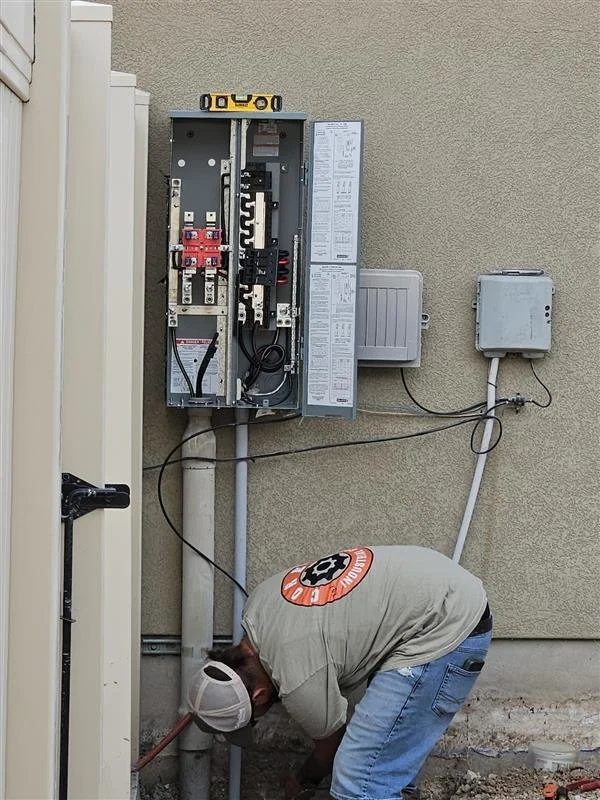
Why We Should Be Thankful: The Unsung Heroes of Home Maintenance
It's Thanksgiving week in Salt Lake Valley, and while we're all thinking about turkey, family gatherings, and what we're grateful for, there's a whole crew of unsung heroes we probably haven't thanked yet. No, not just the people (though they deserve major props too), but the quiet, everyday miracles that keep our homes running smoothly while we're busy living our lives.
Think about it: when was the last time you said "thank you" to your water heater? Or showed appreciation for that little bathroom fan that keeps things from getting gross? These aren't just appliances and systems, they're the silent teammates that make our holiday gatherings possible.
The Quiet Heroes We Take for Granted
Your furnace has been working overtime this November, dealing with Salt Lake's crazy temperature swings without a single complaint. One day it's 60 degrees, the next we're scraping ice off windshields. But that trusty furnace? It just keeps chugging along, making sure your house stays cozy when Grandma comes over for Thanksgiving dinner.
And can we talk about your plumbing for a hot second? Every morning, you flip a handle and, boom, hot water for your shower. No fanfare, no dramatic music, just reliable hot water. That's pretty amazing when you think about it. Especially when you consider what happens when it doesn't work. (Spoiler alert: cold showers and very unhappy family members.)
Your electrical system is another unsung hero. Flip a switch, and lights come on. Plug in the holiday decorations, and they sparkle. It's so reliable that we only notice it when it's not working. Same goes for your garage door opener, your garbage disposal, and even that little light in your refrigerator that somehow always knows when you're looking for leftover pie.
The Real MVPs: The People Behind the Magic
But let's be honest, none of these systems would keep running without the real heroes: the maintenance professionals who show up when things go sideways. These are the people who deserve our biggest thanks this holiday season.
Take plumbers, for instance. They're the folks who wade into your basement at 7 AM on a Sunday because your water heater decided to give up the ghost right before your in-laws arrive. They don't just fix the problem, they save your sanity, your holiday plans, and probably your marriage.
HVAC technicians are cut from the same heroic cloth. When your furnace starts making that weird noise (you know the one, sounds like a dying walrus mixed with a blender), they're the ones who show up with their toolboxes and their can-do attitudes. They diagnose the problem, fix it fast, and make sure your Thanksgiving dinner doesn't turn into an arctic survival situation.
And then there are the handymen, the Swiss Army knives of home maintenance. Leaky faucet? They've got it. Squeaky door that's been driving you nuts for six months? Fixed. Holiday lights that mysteriously stopped working even though they were fine last year? They'll figure it out and probably install them better than they were before.
Last-Minute Holiday Miracles
Speaking of holiday lights, let's talk about those last-minute miracles that happen every year around this time. You know the drill: three days before Thanksgiving, you realize the deck railing is loose, or the front door sticks so bad that guests can barely get in, or the kitchen faucet starts doing that thing where it sprays everywhere except where you want it to.
These are the moments when maintenance professionals become actual superheroes. They're the ones who drop everything to make sure your holiday goes off without a hitch. They understand that it's not just about fixing a door or a faucet, it's about making sure your family gathering is stress-free and your home feels welcoming.
At Your Handyman Pros, we see this every year. The panicked calls from Herriman homeowners whose deck stairs are wobbly just days before the big family dinner. The Sandy families who suddenly notice their gutters are overflowing right when they're trying to put up holiday decorations. The Magna residents who realize their outdoor lighting is shot just when they want their house to look festive for the relatives driving in from out of state.
These aren't just repair jobs, they're peace-of-mind missions. And honestly? There's nothing more satisfying than getting that call later: "You saved our Thanksgiving!"
The Small Fixes That Make Everything Better
Here's something worth being grateful for: the small fixes that make a huge difference in how our homes feel. We're talking about the little things that most people don't even think about until they're not working right.
Like that bathroom fan that quietly whisks away moisture so your mirror doesn't fog up every single time someone takes a shower. Or the weather stripping around your doors that keeps cold air out and warm air in, saving you money and keeping your family comfortable.
Even something as simple as a properly hung door can change your whole day. You know that door in your house that sticks every time you try to open it? The one that makes you put your shoulder into it like you're trying to break down a castle gate? When that gets fixed, it's like a little gift every time you walk through it. Smooth, quiet, effortless, the way doors are supposed to work.
These small wins add up to something bigger: a home that actually works the way it should. Where everything operates smoothly, where you're not constantly fighting with stuck doors, dripping faucets, or wobbly railings. Where you can focus on what really matters, like spending time with family and friends.
Gratitude for Peace of Mind
Maybe the thing we should be most thankful for is peace of mind. When your home's systems are running smoothly and any problems get taken care of quickly, you can actually relax. You can enjoy your holiday gatherings without worrying about what might break next.
There's something beautiful about knowing that if something does go wrong, there are skilled professionals ready to help. People who won't just slap a band-aid on the problem, but who'll actually fix it right. Who understand that your home isn't just a building, it's where your life happens.
This peace of mind extends beyond just emergency repairs. It's also about preventative care, the routine maintenance that keeps problems from happening in the first place. Cleaning gutters before they overflow. Checking furnace filters before the system overworks itself. Winterizing outdoor faucets before they freeze and burst.
It might not be glamorous work, but it's the kind of behind-the-scenes care that makes everything else possible. Like a good stage crew, the best maintenance work is invisible, everything just works the way it should.
Teamwork Makes the Dream Work
One more thing worth being grateful for: the teamwork that makes home maintenance possible. It's not just one person, it's a whole network of professionals who work together to keep Salt Lake Valley homes running smoothly.
The roofer who makes sure your house stays dry. The electrician who keeps your power flowing safely. The painter who makes your house look great and protects it from the elements. The landscaper who keeps your yard looking good and your sprinkler system running efficiently. Everyone plays a part in keeping homes comfortable, safe, and welcoming.
And behind all of that are the families and homeowners who take care of their properties, who call for help when they need it, and who understand that a little maintenance goes a long way. It really does take a village, or in this case, a whole valley full of people working together.
A Big Thank You from Your Handyman Pros
This Thanksgiving, as you're sitting around your table with family and friends, take a moment to appreciate all the little things working perfectly in the background. The warm air coming from your vents. The lights that came on when you flipped the switch. The faucet that delivered exactly the right amount of hot water for washing dishes. The solid deck that supports everyone as they step outside for some fresh air.
And if you're one of our neighbors here in Salt Lake Valley, in Sandy, Herriman, Magna, West Valley, or anywhere else in our beautiful area, know that we're grateful for you too. For trusting us with your homes, for calling us when you need help, and for being part of our community.
From all of us at Your Handyman Pros, we wish you and your families a wonderful Thanksgiving. May your turkey be perfectly cooked, your family time be filled with laughter, and all your home's systems keep running smoothly in the background, just the way they should.
And hey, if something does decide to act up this weekend, you know where to find us. Because even on Thanksgiving, we're thankful to be the people you can count on when your home needs a hero.
Happy Thanksgiving, Salt Lake Valley! 🦃
Categories: Home Maintenance, Holiday Prep, Seasonal Tips, Gratitude
Tags: #thanksgiving #homemaintenance #saltlakevalley #gratitude #localhandyman #localcontractor #locallawncare #homecare #holidayprep #handymanservices #yourhandymanpros #community #thanksgiving2025
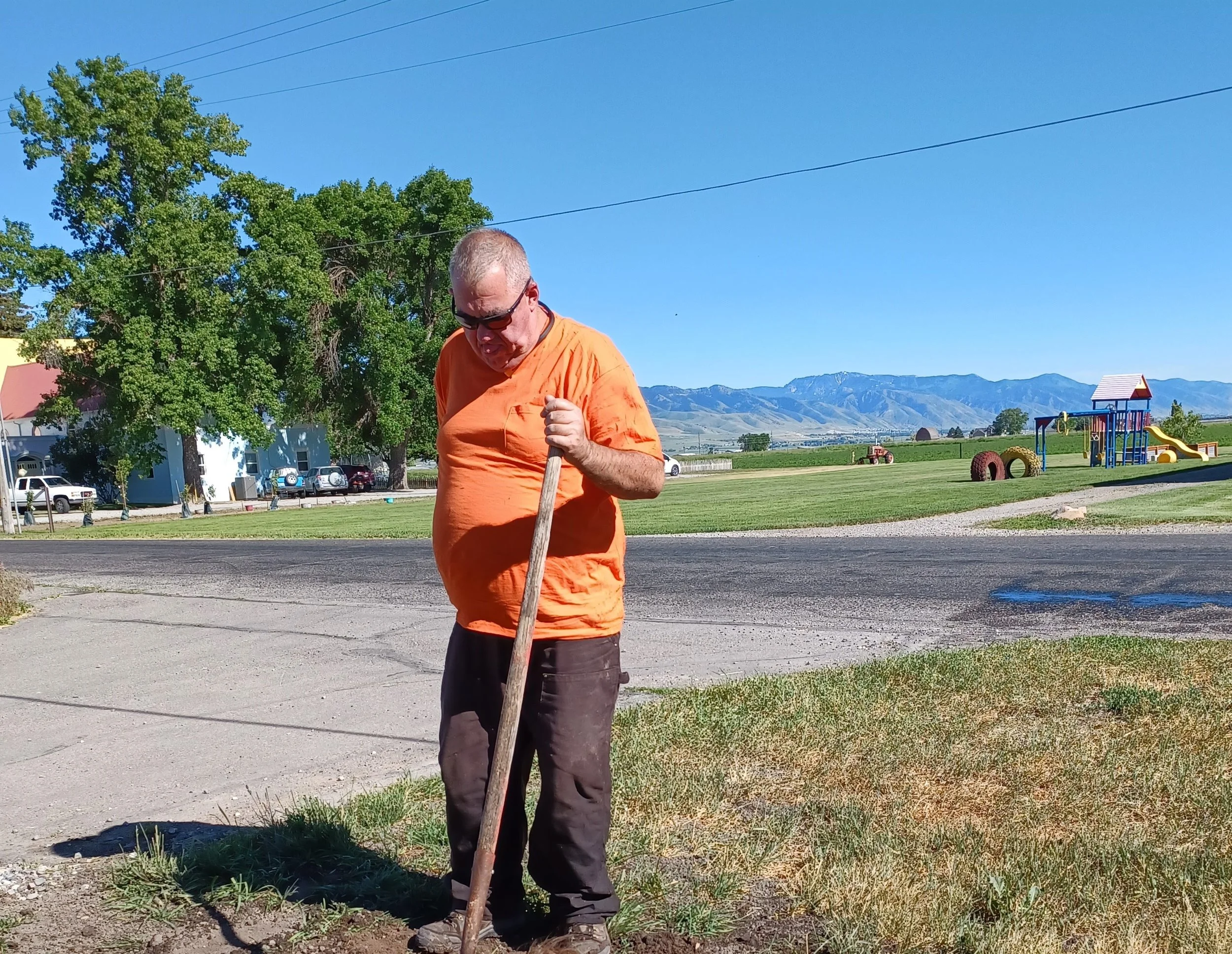
What Mild Fall Weather Means for Salt Lake Valley Homeowners: Outdoor Projects & Holiday Prevention Wins
November in Salt Lake City usually means bundling up, racing against the first snow, and watching outdoor project dreams get buried under winter's arrival. But this year? Mother Nature handed us a gift wrapped in 60-degree afternoons and crystal-clear skies. The Farmers' Almanac called it: milder temperatures stretching through mid-December: and for Salt Lake Valley homeowners, that means one incredible thing: we're still working outside.
While your neighbors in other states are already winterizing everything, we're out here with our sleeves rolled up, tackling projects that would normally wait until spring. This isn't just about getting stuff done: it's about prevention, peace of mind, and making sure your holiday gatherings happen without a hitch.
The Weather Window That Changes Everything
Here's what makes this November special: instead of our usual early cold snaps and surprise snowstorms, we're looking at extended stretches of workable weather. Those morning lows in the 40s? Perfect for starting early. Daytime highs hitting the 60s and low 70s? That's t-shirt weather for outdoor work. Light winds and dry conditions? Every contractor's dream.
The National Weather Service confirmed what we're all feeling: this fall has been warmer and drier than average, giving us a bonus month of outdoor project time. For Salt Lake Valley homeowners, this translates to opportunity. Real opportunity.
Think about it: how many times have you said, "I'll get to that deck repair in the spring," only to have spring turn into a mad rush of catching up? This mild stretch is your chance to flip that script.
Projects That Are Perfect Right Now
Deck and Patio Upgrades
Remember that wobbly deck railing you've been meaning to fix? Or the section of decking that's been soft underfoot? This weather is ideal for deck work. The wood isn't swollen from snow and ice, materials aren't frozen or wet, and you can actually see what you're doing without wearing three layers of gloves.
We've been installing elevated decks and vinyl railings all month, and homeowners keep saying the same thing: "I can't believe we're doing this in November!" The mild conditions mean better adhesion for stains and sealers, easier handling of materials, and comfortable working conditions that result in better craftsmanship.
Landscaping and Yard Cleanup
This extended growing season means your landscaping projects aren't over. Fall planting is still happening, and yard cleanup can be done methodically instead of in a frantic rush before the first blizzard. Tree trimming, bulb planting, and even sprinkler winterization can happen on your schedule, not winter's.
The dry conditions are perfect for soil work too. No mud, no soggy ground that compacts under foot traffic: just ideal conditions for getting landscaping right.
Exterior Painting and Siding Work
Here's something most people don't realize: you can paint exteriors in cooler weather if it's dry and above freezing. These mild November days are actually perfect for exterior painting projects. Paint goes on smoothly, cures properly, and you don't have to worry about summer heat causing lap marks or quick drying.
Siding repairs that you've been putting off? Now's the time. The materials aren't contracting and expanding with extreme temperature swings, making installation easier and more precise.
Roof and Gutter Maintenance
Nobody wants to be on a roof in January, but climbing up there on a calm, 65-degree November afternoon? That's actually pleasant. This weather window is perfect for final gutter cleaning, checking shingles for damage, and addressing any roofing issues before winter really hits.
The clear skies mean you can properly assess your roof's condition without rushing, and the mild temperatures mean materials are pliable and easier to work with.
The Holiday Prevention Factor
Here's where this weather bonus really pays off: prevention. Every project you complete now is one less potential disaster waiting to ruin your holiday gatherings.
Picture this: It's Christmas Eve, family's coming over, and suddenly your deck railing gives way when Uncle Bob leans against it. Or your gutters overflow during the first winter storm, sending water cascading down your foundation right where everyone parks their cars.
These aren't hypothetical scenarios: they're the calls we get every winter from homeowners who wish they'd addressed these issues earlier. This mild weather is your chance to prevent those moments.
Real Prevention Wins
One of our clients in Herriman called last week. Her outdoor lighting had been flickering for months, but she kept putting off the repair. "It's November," she said, "I figured it was too late." Twenty-four hours later, her holiday lights were working perfectly, and she was already planning her Christmas display.
Another homeowner in Sandy had been worried about his front steps: they'd been getting loose and he was nervous about holiday guests using them. In our typical November weather, that would have been a spring project. Instead, we rebuilt those steps on a beautiful Tuesday afternoon, and now he's looking forward to welcoming family without worry.
The Gratitude Factor
There's something deeply satisfying about working outside in November when you shouldn't be able to. It feels like found time, bonus opportunity, an unexpected gift. Our crews are out there in t-shirts and light jackets, completing projects that would normally wait until March.
But it's more than just the weather: it's the mindset. Homeowners who tackle projects during this unexpected window report feeling more prepared, more confident, and honestly, more grateful for their homes. There's something about beating winter to the punch that creates a real sense of accomplishment.
Peace of Mind for the Holidays
When your home is properly maintained, holiday gatherings become about family and celebration, not stress about what might break next. The mild weather isn't just letting us complete projects: it's giving Salt Lake Valley families the gift of peace of mind.
Making the Most of This Window
The forecast shows this mild pattern continuing through mid-December, but smart homeowners aren't waiting. They're scheduling now, while materials are available, crews aren't booked solid, and the weather is cooperating.
Here's what successful homeowners are doing:
They're prioritizing safety first: Anything that could pose a risk during holiday gatherings: loose railings, damaged steps, faulty outdoor lighting: gets addressed immediately.
They're thinking prevention: Gutter cleaning, weatherproofing, and winterization tasks that usually get rushed are getting proper attention.
They're taking advantage of availability: Contractors and handyman services are typically less busy in November, meaning better scheduling and more attention to detail.
The Window Won't Last Forever
Even with the Farmers' Almanac predicting mild conditions through mid-December, smart homeowners know that Utah weather can change quickly. This extended opportunity is real, but it's not infinite.
The homeowners who'll be most grateful come January are the ones taking action now. They're the ones whose holiday gatherings will be stress-free, whose homes will weather winter's eventual arrival without incident, and who'll start spring ahead of the game instead of playing catch-up.
This mild November isn't just unusual weather: it's an opportunity. An opportunity to prevent problems, complete projects, and prepare your home for whatever comes next. The question isn't whether you can afford to take advantage of this weather window.
The question is: can you afford not to?
Your holiday guests, your peace of mind, and your future self will thank you for making the most of these unexpected November working days. The weather window is open( time to step through it.)
Categories: Fall Weather, Outdoor Projects, Prevention, Thanksgiving, Home Maintenance, Holiday Prep, Salt Lake Valley Living, Residential Repair, Contractor Tips, Local Handyman

Thanksgiving Week Home Wins: Stories of Relief, Laughter & Gratitude from Your Handyman Pros
Thanksgiving Week Home Wins: Stories of Relief, Laughter & Gratitude from Your Handyman Pros
"Nothing brings a family closer (or faster!) than a leaky sink the night before Thanksgiving: trust us, we've seen it all. 🍂 From surprise kitchen floods to those 'who even knew that wire was there?!' moments, we're grateful for every chance to jump in and save the day.
This week, we're celebrating all the big upgrades and little fixes that make your home safe, cozy, and ready for memory-making. Here's to the laughter, teamwork, and last-minute miracles that keep your holidays running smoothly: because turning chaos into comfort is our kind of tradition!
Wishing our Salt Lake Valley neighbors a warm, safe Thanksgiving full of stories worth retelling."
Thanksgiving week is here, and while families across the Salt Lake Valley are planning their perfect holiday gatherings, we're raising a toast to the real unsung heroes, the pros who swoop in when home disasters threaten to derail those precious family moments.
You know the drill: the turkey's in the oven, the in-laws are arriving in two hours, and suddenly your kitchen sink decides it's the perfect time to stage a rebellion. Or maybe it's that electrical panel that's been "acting funny" for months, choosing Thanksgiving morning to start making those concerning buzzing sounds.
After decades serving homeowners in Herriman, Riverton, Sandy, Magna, West Valley City, and throughout the Salt Lake Valley, we've seen it all. And honestly? Some of our favorite stories happen during the holidays, when quick thinking and skilled hands turn potential disasters into tales of relief, laughter, and genuine gratitude.
Grateful for the Work We Do Together
This week, we're celebrating real customers who trust us to keep their homes safe, comfortable, and ready for memory-making. From routine maintenance and inspections to plumbing, electrical, carpentry, flood repair, custom woodworking, decks, and landscaping, our team shows up so your home can show up for you.
If your place needs a tune-up before guests arrive—or you want to get a head start on winter prep—count on reliable craftsmanship, clear communication, and quick scheduling across the Salt Lake Valley.
The Gratitude Behind Every Service Call
What we've learned after all these years in the home services business is that we're not just fixing pipes or replacing electrical panels or painting rooms. We're preserving moments. We're protecting traditions. We're making sure that families can focus on what really matters during the holidays: each other.
Every emergency call, every last-minute repair, every "can you squeeze us in before Thursday?" request represents a family who wants their home to be perfect for the people they love. And honestly? That responsibility isn't lost on us.
Behind every story of relief and laughter is a homeowner who was genuinely worried about disappointing their family, or missing out on precious time together, or having their holiday memories overshadowed by home repair chaos. When we can swoop in and solve those problems quickly and professionally, it's incredibly rewarding.
Your Holiday Heroes Are Just a Phone Call Away
As we head into another Thanksgiving week, we're reminded that home emergencies don't take holidays. Neither do we. Whether it's a plumbing disaster threatening your dinner prep, an electrical issue that needs immediate attention, a heating system that picks the worst possible moment to quit, or even a last-minute upgrade that would make your holiday hosting so much easier: we're here.
Our team of experienced professionals has been serving Salt Lake Valley homeowners for over 30 years. We've seen every kind of holiday home emergency you can imagine, and probably a few you can't. More importantly, we know how to fix them fast, safely, and with the attention to detail that your family deserves.
Don't let unexpected home issues steal the joy from your holiday celebrations. Let Your Handyman Pros handle the repairs and upgrades, so you can focus on family, food, and creating those memories that will last long after the leftover turkey is gone.
"When you’re carving turkey and swapping stories this Thanksgiving, don’t forget the unsung heroes behind every family gathering: the little (and not-so-little) home saves. From plumbers showing up just in time for a leak to catching a burnt panel before it becomes a holiday drama; from cleaning up surprise mold to splashing new paint for the newest family member’s nursery, our team at Your Handyman Pros is grateful for every heartwarming (and yes, sometimes hilarious) moment we get to help out!
Here’s to homes that are safer, brighter, and ready for all the chaos and joy of the season. If your home’s to-do list needs a quick rescue, call us today!"
Ready to ensure your home is holiday-ready? Give us a call, and let's make sure your Thanksgiving story is one of gratitude and relief: not stress and scrambling.
#localhandyman #localcontractor #locallawncare #YourHandymanPros #SaltLakeValley #Herriman #Riverton #Sandy #Magna #WestValleyCity #ThanksgivingReady #HomeRepair #EmergencyRepair #UtahHandyman #HolidayHomeFix #ThanksgivingWeek #HomeMaintenance #PropertyManager #HOATips #HandymanNearMe #yourhandymanpros #utahhandymannearme #utahcontractornearme #handymannearme #contractornearme #homerepair #remodeling #thanksgiving #yourhandymanpros #handymannearme #contractornearme #utahcontractornearme #utahhandymannearme #updatingrooms #homerepair #thankfulhome #familyfirst

November Lawn Care Guide: How to Prepare Your Lawn for Winter Dormancy
November in Utah means your lawn is shifting into its final preparation phase before winter dormancy. While many homeowners think lawn care season is over, this month is actually crucial for setting up your grass for a strong comeback next spring. Whether you're in Herriman, Riverton, Sandy, Magna, West Valley City, or anywhere across the Salt Lake Valley, these November tasks will make the difference between a patchy, struggling lawn next year and one that emerges thick and green.
Understanding Utah's November Lawn Timeline
By November, your cool-season grasses: the Kentucky bluegrass, tall fescue, and perennial ryegrass common throughout Utah: have significantly slowed their top growth. But here's what many homeowners don't realize: the roots are still actively working underground, storing nutrients and building energy reserves for winter survival and spring regrowth.
This is your last window to take meaningful action. Once the ground freezes solid (typically by early December in northern Utah valleys), your opportunities for lawn improvement are essentially done until spring thaw.
The Final Mow: Getting the Height Just Right
When to Schedule Your Last Cut
Plan your final mow for mid to late November, before the ground freezes but after growth has essentially stopped. In the Salt Lake Valley, this usually means completing your last cut by Thanksgiving weekend, though warmer microclimates might extend this to early December.
The 2-Inch Rule
Drop your mower height to approximately 2 inches for this final cut: shorter than your regular growing season height of 3-4 inches. This might feel wrong, but it's essential for Utah winters. Grass that's too tall will mat down under our heavy snowpack, creating perfect conditions for snow mold and other fungal diseases that can devastate your lawn.
However, don't scalp it. Cutting shorter than 2 inches exposes the crown and root zone to freeze damage during our notorious freeze-thaw cycles.
November Fertilization: Your Last Chance for Winter Prep
If you missed October's primary fall fertilization window, early November is your last opportunity to apply a winterizer fertilizer. But timing is critical: you need to get this done at least 3-4 weeks before the ground freezes solid.
Choose the Right Winterizer Formula
Look for a fertilizer with a high nitrogen content in slow-release form. The goal isn't to promote top growth (which would be vulnerable to winter damage) but to feed the root system and help your grass store carbohydrates for spring. A typical winterizer might have an NPK ratio like 20-8-8 or 24-4-12.
Skip It If You're Already Good
If you fertilized in October, you can skip November fertilization. Over-fertilizing can actually make your grass more susceptible to winter damage by promoting soft, vulnerable growth.
Seeding vs. Overseeding in November: What Really Works
Here's where Utah's climate gets tricky. While fall is generally the best time for seeding cool-season grasses, November is pushing the limits of what's practical.
The Reality Check
New grass seed needs 4-6 weeks of growing conditions to establish before winter dormancy. In most of Utah, November soil temperatures are dropping too low for reliable germination. Your new seed is more likely to sit dormant all winter and potentially wash away with snowmelt.
When November Seeding Might Work
If you're in a warmer microclimate (lower elevations in Salt Lake Valley)
If the forecast shows an unusually warm November
For small bare spots you can protect with straw mulch
The Better November Strategy: Overseeding Prep
Instead of seeding now, focus on preparing for spring overseeding:
Mark thin or bare areas while they're still visible
Note drainage problems while you can still see them
Plan your spring seeding strategy
Essential November Cleanup Tasks
Leaf Management
Those beautiful fall leaves can become your lawn's enemy if left to pile up. A thick mat of leaves will block sunlight and trap moisture, creating fungal disease conditions. Either rake and remove them or mulch them finely with your mower so they break down naturally without smothering the grass.
Final Debris Cleanup
Walk your property and remove any sticks, toys, garden tools, or other items that could create dead spots under the snow. These objects will block sunlight and air circulation when the snow melts, potentially killing the grass underneath.
Watering: The November Balancing Act
When to Water
If we've had a dry fall (not uncommon in Utah), continue watering until the ground begins to freeze. Grass entering dormancy with adequate soil moisture survives winter stress much better than drought-stressed turf.
When to Stop
Once nighttime temperatures consistently drop below freezing, stop regular watering. Wet soil that freezes and thaws repeatedly can damage grass roots.
Don't Forget Your Sprinkler System
November is your deadline for winterizing your irrigation system. If you haven't blown out your lines yet, schedule this immediately. One hard freeze with water still in the system can cause thousands of dollars in damage to pipes, valves, and sprinkler heads.
Regional Variations Across the Salt Lake Valley
Northern Areas (Bountiful, Farmington)
Earlier freeze dates mean faster timing on all tasks
Complete final mowing by mid-November
Higher elevation means more snow load concerns
Central Valley (Salt Lake City, Murray, West Valley)
Moderate timing allows flexibility into late November
Urban heat island effect may extend growing season slightly
Southern Areas (Riverton, Herriman, Sandy)
Warmer microclimates may allow lawn care tasks into early December
But don't get caught off guard by sudden temperature drops
Mountain Valleys (Park City area)
Much earlier freeze dates require September completion of major tasks
November focus should be on final cleanup only
The Science Behind November Lawn Care
Understanding why these November tasks matter helps you prioritize your time. As air temperatures drop, your grass begins moving carbohydrates from the leaves down into the root system and crown. This stored energy is what fuels initial spring growth before the grass can photosynthesize effectively again.
Proper November care ensures:
Maximum energy storage in roots
Reduced disease pressure during winter
Faster spring green-up and recovery
Better drought tolerance next summer
What NOT to Do in November
Avoid These Common Mistakes:
Don't fertilize with high-nitrogen, quick-release fertilizer after early November
Never seed bare spots without protecting them from freeze
Don't leave sprinklers running "just a little longer"
Avoid walking on frosted grass (it damages the cell structure)
Don't apply pre-emergent herbicides this late in the season
Setting Yourself Up for Spring Success
The work you do in November directly impacts how your lawn looks and performs next year. A properly prepared lawn will:
Green up 2-3 weeks earlier in spring
Require less water and fertilizer next year
Better resist summer stress and disease
Provide thicker coverage that naturally crowds out weeds
Think of November lawn care as an investment in next year's curb appeal and property value.
When to Call the Professionals
Some November tasks are perfect DIY projects, but others benefit from professional expertise. Consider calling Your Handyman Pros if you need help with sprinkler winterization, have large areas requiring overseeding preparation, or want a comprehensive property assessment before winter.
With over 30 years of experience serving the Salt Lake Valley, we understand exactly what Utah lawns need to thrive through our unique climate challenges.
Remember, the investment you make in November lawn care pays dividends all next year. Take advantage of these last few weeks before winter lockdown( your spring lawn will thank you for it.)

The Ultimate Guide to Fall Planting. Everything Utah Homeowners Need to Know About Garlic, Bulbs, and Trees in Herriman, Riverton, Sandy, Magna, West Valley City, and the entire Salt Lake Valley.
The Ultimate Guide to Fall Planting. Everything Utah Homeowners Need to Know About Garlic, Bulbs, and Trees in Herriman, Riverton, Sandy, Magna, West Valley City, and the entire Salt Lake Valley.
slug: fall-planting-guide-utah-garlic-bulbs-trees
meta: Wondering what to plant this fall in Herriman, Riverton, Sandy, Magna, or West Valley City and the entire Salt Lake Valley? Get expert advice from Your Handyman Pros on garlic, bulbs, and trees for a thriving Utah garden.
keywords: salt lake handyman, home remodel contractor utah, home repair salt lake, handyman sandy utah, handyman herriman, fall planting utah, garlic salt lake, planting bulbs utah, fall trees utah

7 Fall Yard Cleanup Mistakes Salt Lake Valley Landscapers & Your Handyman Pros See Every Year (And How to Avoid Them)
“Don’t let common fall yard cleanup mistakes ruin your Salt Lake Valley landscape! Local pros reveal the top 7 errors homeowners make every autumn (and simple ways to avoid costly spring repairs).”

Aging-in-Place Remodeling Mistakes Salt Lake Valley Homeowners Should Avoid
Avoid the biggest aging-in-place remodeling mistakes with tips for Herriman, Riverton, Sandy, Magna, West Valley City, and the Salt Lake Valley.

Why Speed Matters: The Customer Service Feature Every Utah Homeowner Should Demand from Their Handyman
"Discover why fast response times make all the difference for homeowners in Utah. From answering your call on the third ring to tackling urgent repairs, Your Handyman Pros puts speed and customer satisfaction front and center—because you deserve service that’s as reliable as it is quick!"

7 Mistakes Utah Homeowners Make with Basement Drywall (And How to Fix Them)
"Avoid the top 7 drywall mistakes Utah homeowners make—learn quick fixes and pro tips from Your Handyman Pros to protect your basement and your wallet. Perfect for Salt Lake Valley DIYers and those planning a remodel!"