

Pro Tips & Projects
Smart fixes. Real projects. Straight talk from your local pros.
Keeping a home running smoothly is a full-time job — and most people don’t have the time, the tools, or the patience to figure it all out. That’s where we come in.
Welcome to your go-to hub for expert tips, real project breakdowns, money-saving strategies, and homeowner how-tos — all written in clear, real-world language, never contractor-speak.
Whether you’re trying to stay ahead of problems, plan a remodel, or avoid getting ripped off, you’ll find exactly what you need right here… from pros who do this every day.
No fluff. No guesswork. Just straight-up help you can use.
What You’ll Find Here:
Pro Tips to extend the life of your home
DIY-Friendly Fixes anyone can handle safely
Project Breakdowns from real jobs we've completed
Money-Saving Advice to avoid costly mistakes
Before & After Transformations to spark ideas
Seasonal Checklists to keep your home in top shape
Need Personalized Advice?
If you ever want help with a repair, a renovation idea, or just a second opinion, we’re only a message away.
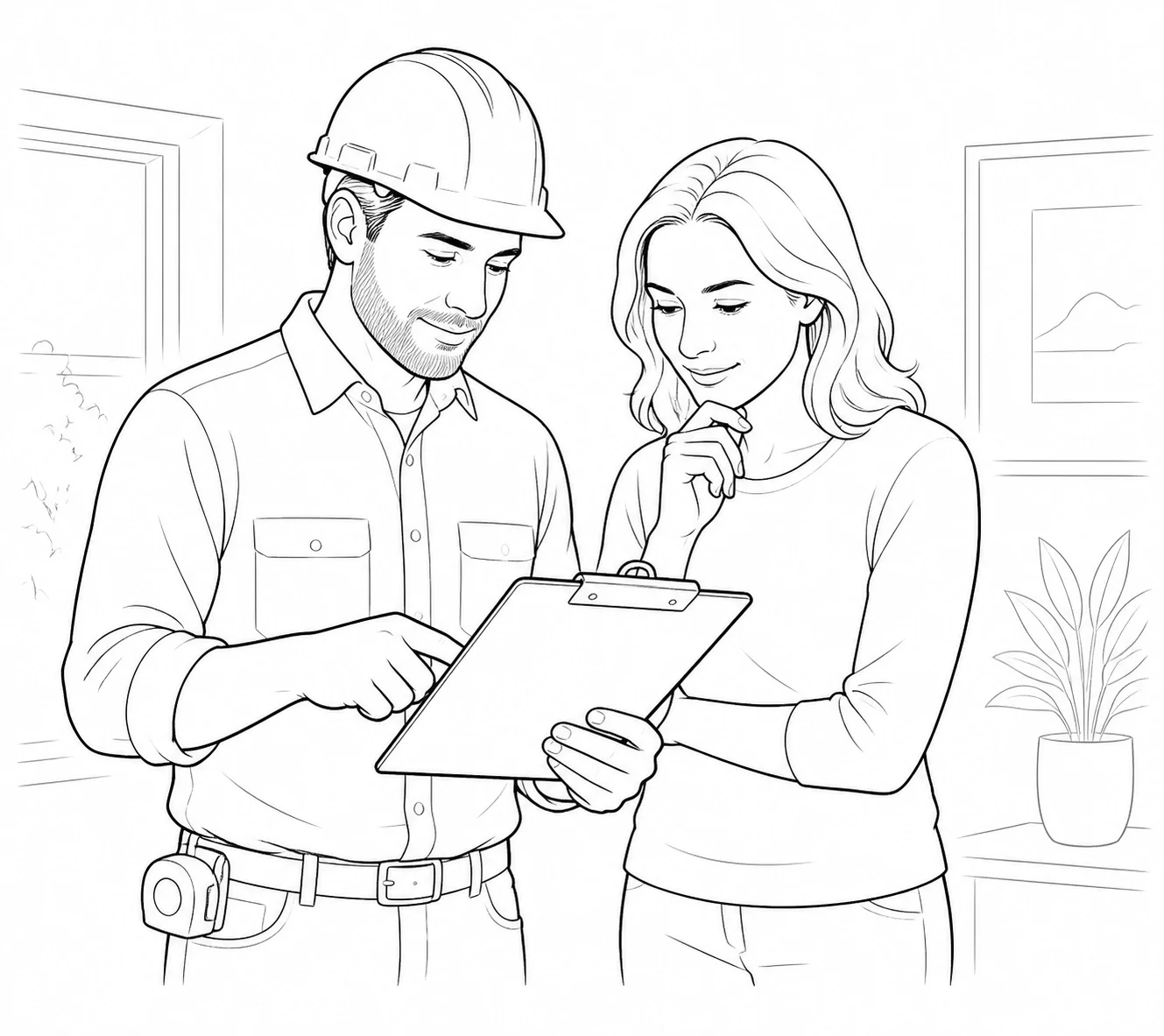
How to Hire the Right Contractor in Utah – Part 1: Red Flags vs Green Flags : What to Look For in a Bid
A bid is more than a price tag — it's a window into how a contractor runs their business. In Part 1 of our new series, Mike Sansing of Your Handyman Pros breaks down the red flags (vague bids, cash-only, pressure to sign) and green flags (detailed line items, active DOPL license, current insurance) every Salt Lake Valley homeowner needs to spot before signing a contract. Plus, when to call a handyman vs a licensed contractor.
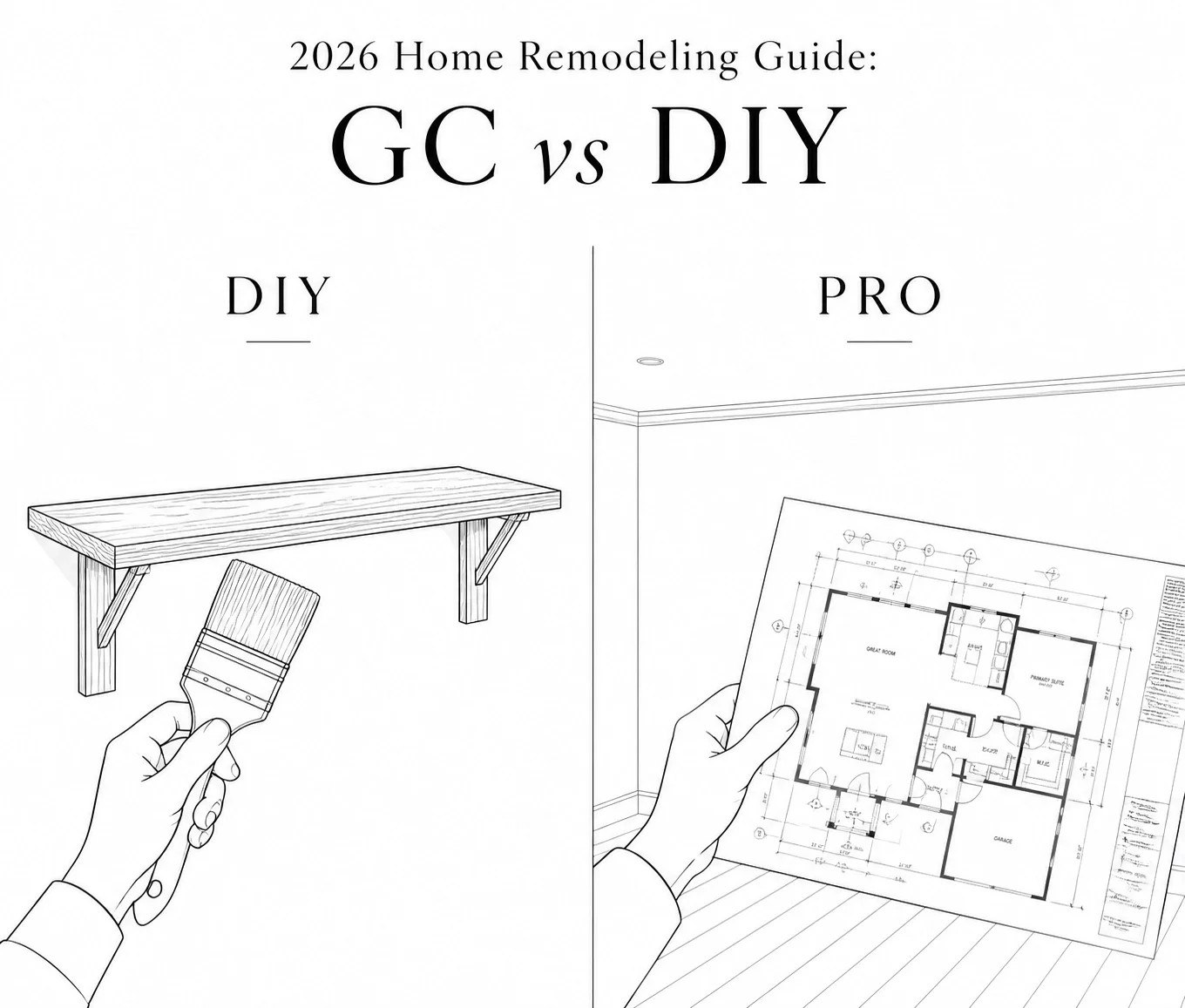
2026 Home Remodeling: The Complete Guide – Part 6: Working with a GC vs DIY : How to Cross the Finish Line Without Losing Your Mind
You've made it through the whole 2026 Remodeling Guide — now it's time for the million-dollar question: Can you DIY it, or should you call a pro? In the finale of our series, Mike Sansing of Your Handyman Pros lays out "Mike's Rule" for knowing when to pick up the hammer vs when to pick up the phone, the real cost of DIY mistakes (including a Sandy homeowner's $5,000 shower pan lesson), and how Your Handyman Pros and Your Contractor Pros fit every project size across the Salt Lake Valley.

2026 Home Remodeling: The Com plete Guide – Part 5: Whole-Home Smart Upgrades : Making Your Home Work Harder For You
A 2026 remodel isn't just about new tile and paint — it's about making your home work harder for you. In Part 5 of our Remodeling Guide, Mike Sansing of Your Handyman Pros walks through the smart upgrades that actually pay off in the Salt Lake Valley: smart thermostats & zoning, whole-home leak detection (Flo by Moen, Phyn Plus), electrical panel upgrades for older homes, smart lighting & security, and irrigation controllers tailored for Utah's watering restrictions. Plus which smart features buyers love vs what's just a gimmick.
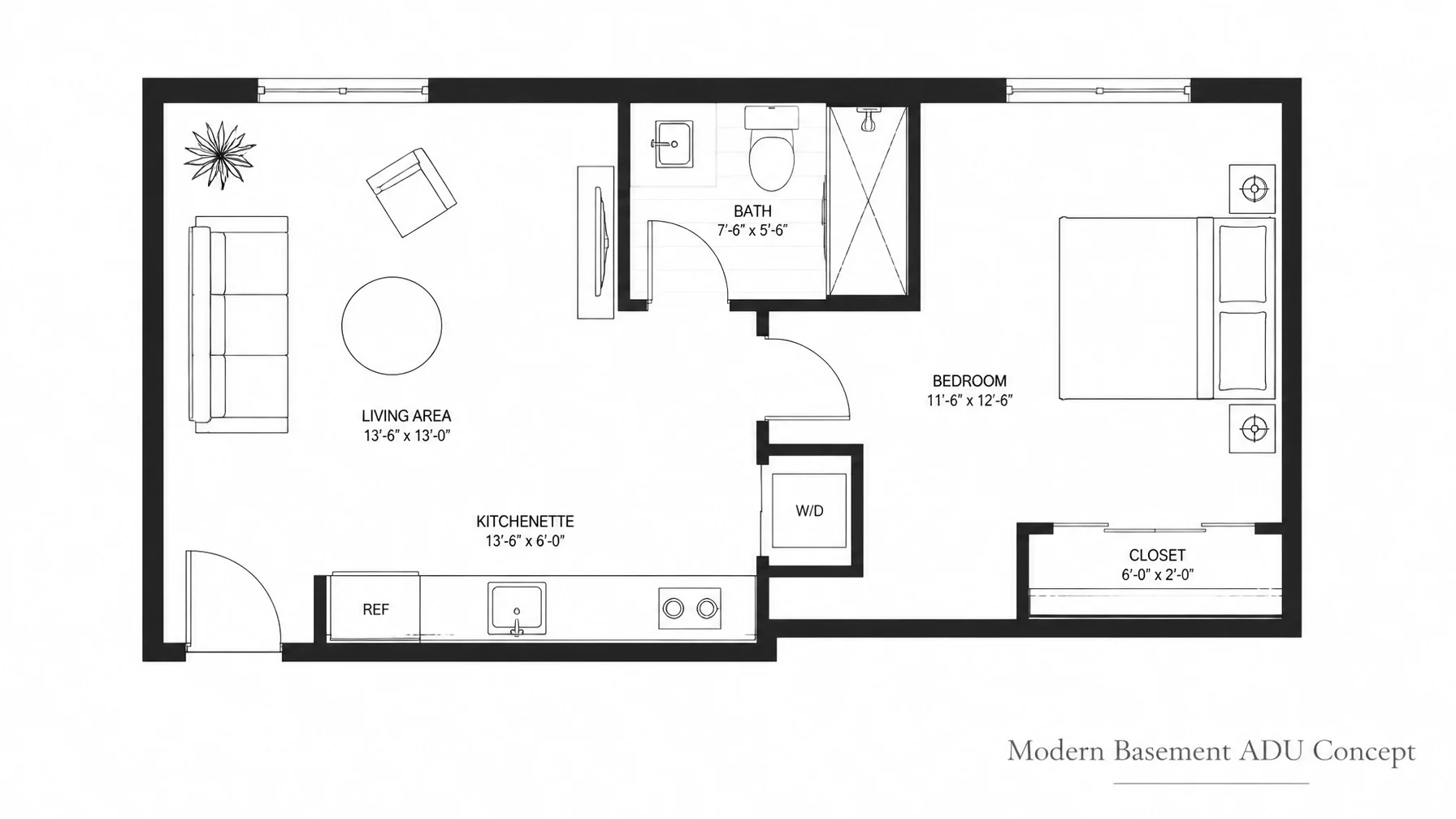
2026 Home Remodeling: The Complete Guide – Part 4: Basements & ADUs : Turning Underutilized Space Into Income or the Ultimate Hangout
Sitting on an unfinished basement? In Part 4 of our 2026 Remodeling Guide, Mike Sansing of Your Handyman Pros breaks down how to turn that underutilized space into a rental income machine or the ultimate family hangout — covering HB 82 ADU rules, egress windows, fire separation, ceiling heights, HVAC zoning, and city-specific quirks from Herriman to Bountiful. Plus the ROI math: $800–$1,500/mo in potential rental income.
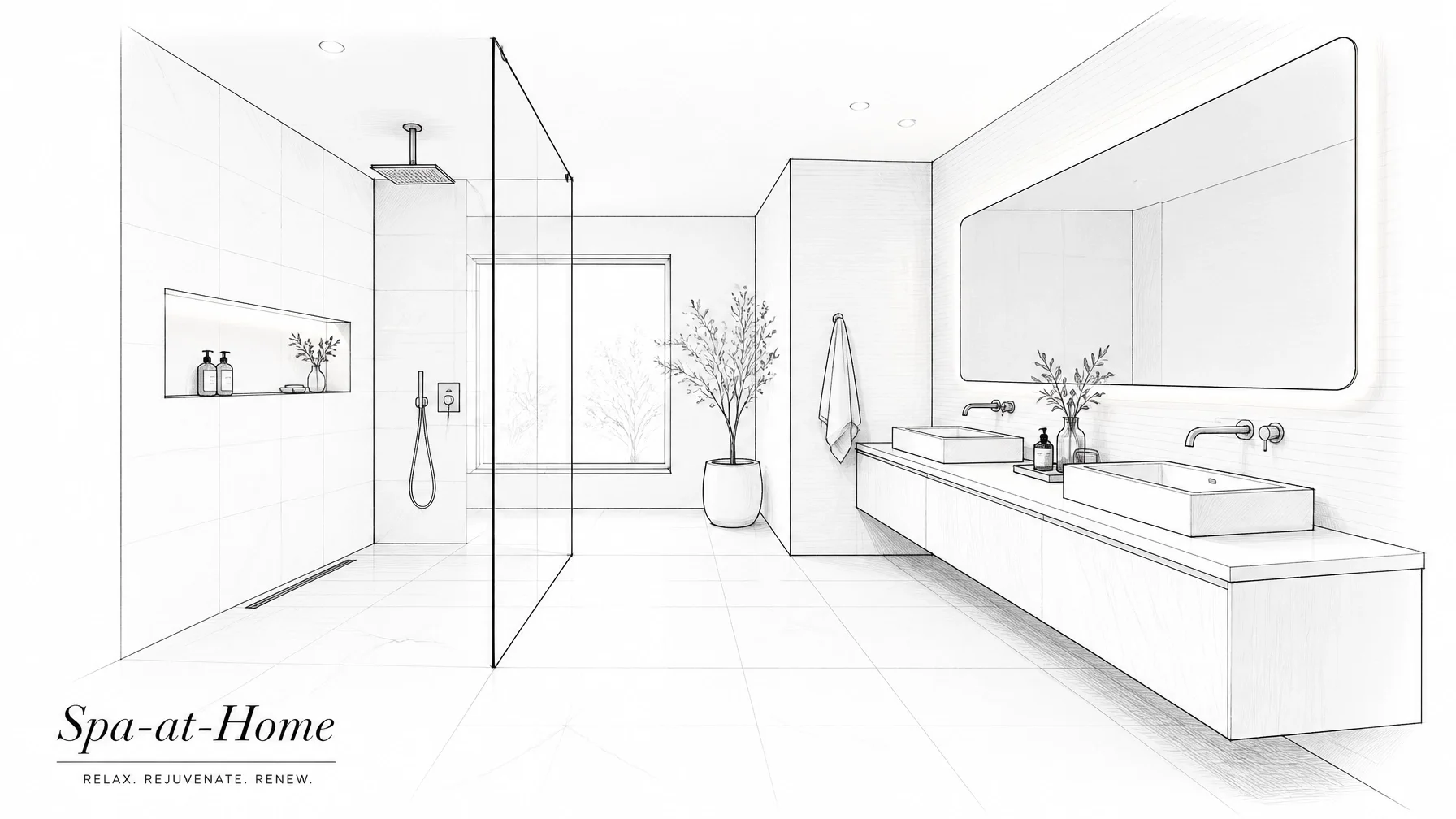
2026 Home Remodeling: The Complete Guide – Part 3: Bathrooms That Pay Off (Turning a Cramped Bath Into a Spa-at-Home)
Ready to turn your cramped bathroom into a spa-at-home? In Part 3 of our 2026 Remodeling Guide, Mike Sansing of Your Handyman Pros breaks down the 2026 bathroom trends that actually pay off — curbless walk-in showers, floating vanities, smart mirrors, heated floors, and proper ventilation. Plus what to splurge on vs save on for the best ROI in the Salt Lake Valley. Whether you're updating a historic home in The Avenues or a modern build in Herriman, this one's for you.
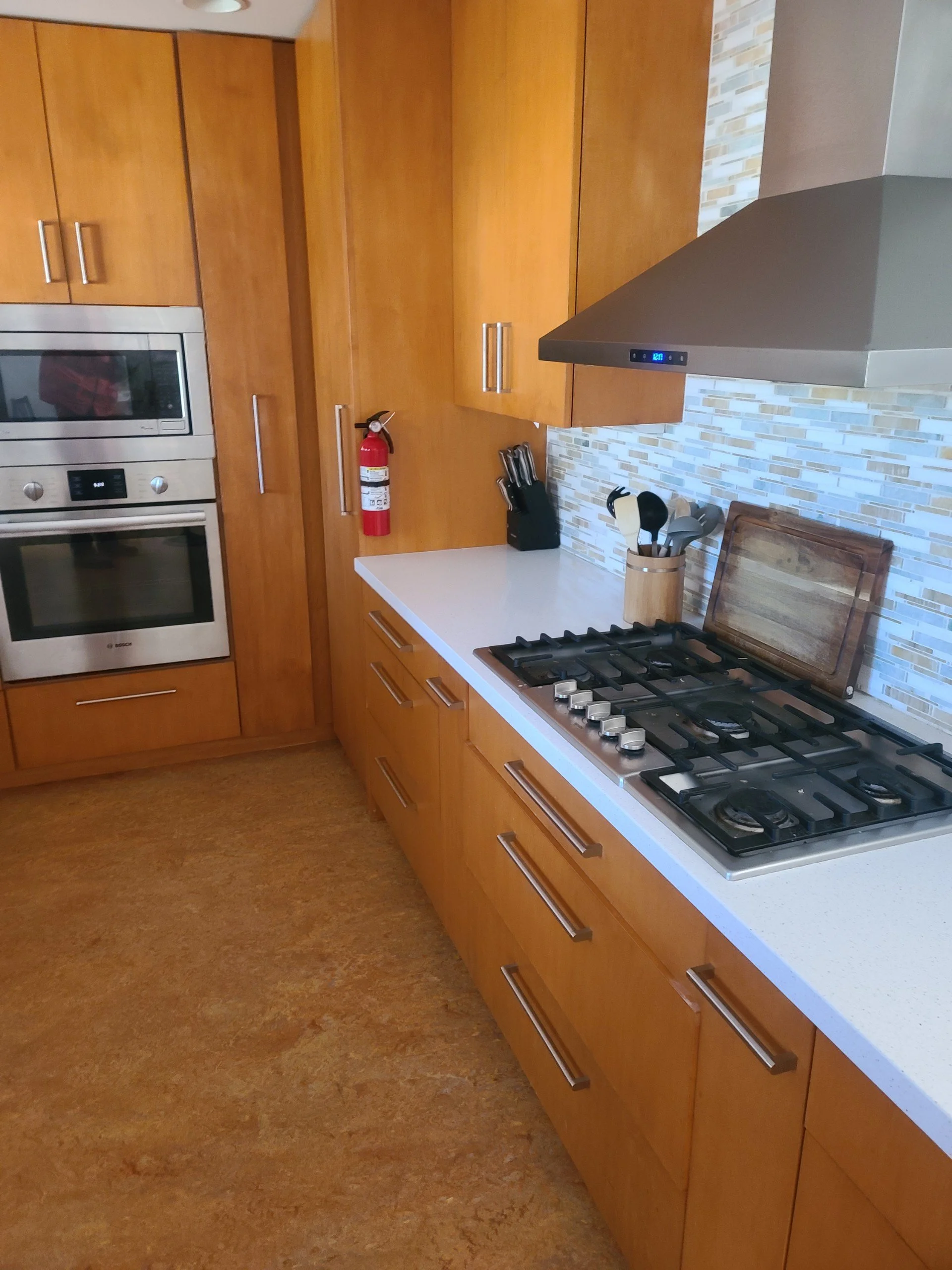
2026 Home Remodeling: The Complete Guide – Part 2: Kitchens That Sell (And That You'll Actually Love Cooking In)
The kitchen is the heart of the home — and the #1 room that makes or breaks a home sale. In Part 2 of our 2026 Remodeling Guide, Mike Sansing of Your Handyman Pros breaks down the 2026 kitchen trends that actually hold value: cabinet refacing vs full replacement, countertop ROI (quartz still king), layered lighting, layout principles, and the surprising stat that minor refreshes are outperforming full gut remodels in the Salt Lake Valley. Whether you're in Sugar House or Herriman, here's how to spend your money where it counts.
2026 Home Remodeling: The Complete Guide – Part 1: Where to Start (Budget, Timeline & Permits)
Dreaming of a big remodel in 2026 but don't know where to start? In Part 1 of our new series, Mike Sansing of Your Handyman Pros walks you through the five essential steps — defining your project scope, setting a realistic 2026 budget with a 20% contingency, navigating Salt Lake Valley permit timelines, and why hiring a licensed B100 GC first saves you money. Whether you're in Sandy, Herriman, or West Valley, this is the foundation you need before the first hammer swings.
The Complete Basement Apartment vs. Guest Suite Series: Your One-Stop Recap for Salt Lake Homeowners
Five parts. One complete guide. Whether you're shopping for rental income or a guest suite for mom, we've got the whole basement apartment vs. guest suite series wrapped up in one place. Mike Sansing of Your Handyman Pros walks you through zoning, costs, design, and the final pre-construction checklist — all tailored for Salt Lake Valley homeowners. Not sure where to start? This recap points you to the right post for your situation.
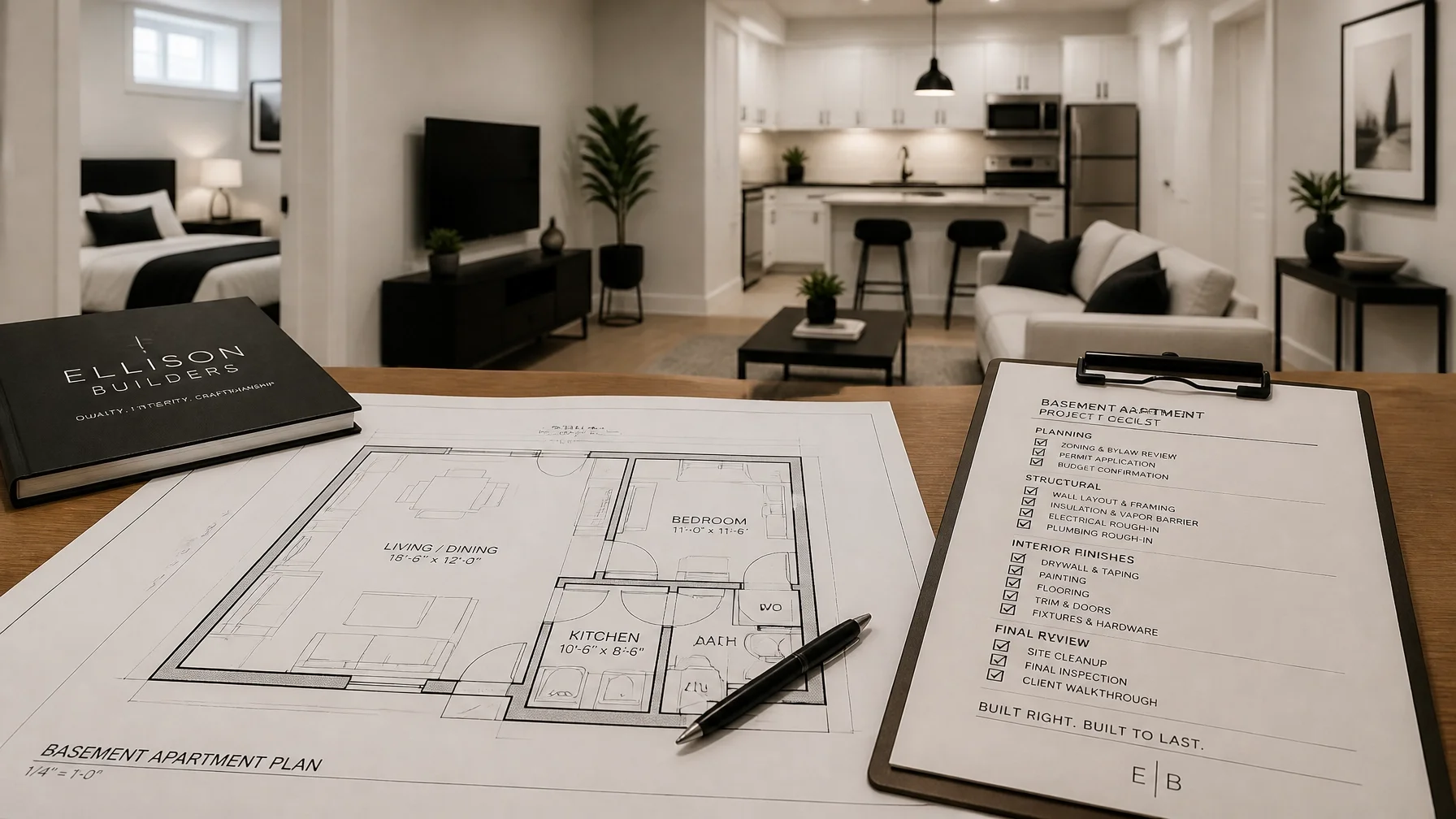
Basement Apartment vs. Guest Suite: Which Is Better For Your Salt Lake Home? – Part 5: Your Ultimate Pre-Construction Checklist & Final Verdict
After four parts covering everything from zoning to costs to design, we're wrapping up the series with the definitive guide to crossing the finish line. Mike Sansing of Your Handyman Pros delivers a 6-step pre-construction checklist — covering budget, site audits, permits, and hiring the right team — plus the final verdict on whether a basement apartment or guest suite wins based on your goals. Ready to break ground in the Salt Lake Valley? Here's exactly how to start.
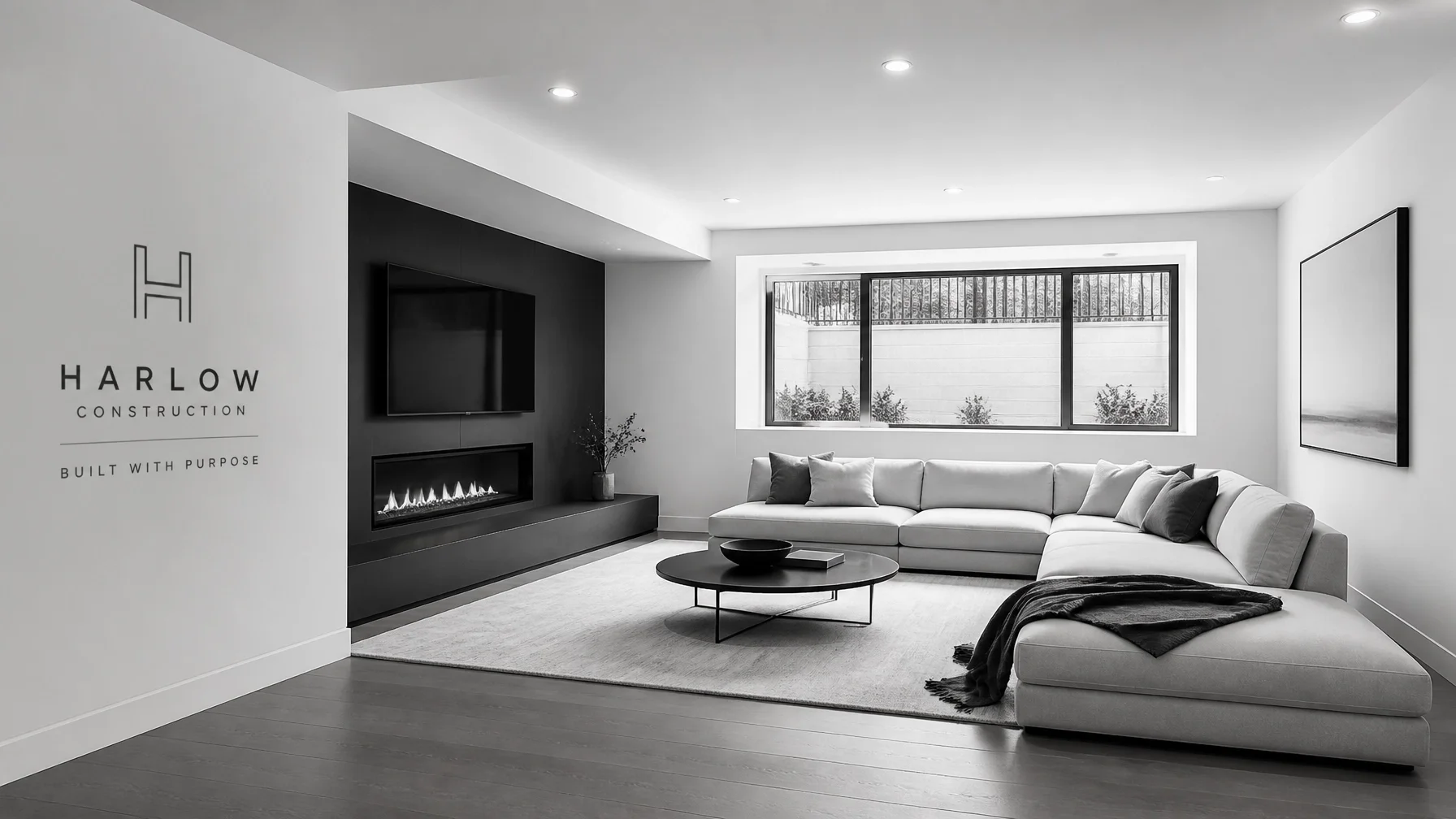
Basement Apartment vs. Guest Suite: Which Is Better For Your Salt Lake Home? – Part 4: Layouts & Design Tricks to Make It Feel Like a Luxury Suite
Ready to turn your basement into a luxury suite but not sure where to start with the layout? In Part 4 of our series, Mike Sansing of Your Handyman Pros shares design tricks that make a basement feel like a boutique hotel — open floor plans, light illusions, soundproofing, curbless showers, heated floors, and smart storage. Whether you're building an IADU in West Valley or a guest suite in Sandy, these tips will take your space from dungeon to dream.
Basement Apartment vs. Guest Suite: Which Is Better For Your Salt Lake Home? – Part 3: What's It Actually Going to Cost You in 2026?
Worried about how much a basement apartment or guest suite will set you back in 2026? In Part 3 of our series, Mike Sansing of Your Handyman Pros breaks down the real costs for Salt Lake Valley homeowners — from $40k–$80k+ for a legal IADU to $15k–$35k for a simple guest suite. Plus hidden city fees, financing options, and what kind of ROI you can actually expect in Herriman, Sandy, Riverton, and beyond.
Basement Apartment vs. Guest Suite: Which Is Better For Your Salt Lake Home? – Part 2: 2026 Zoning Rules & Permits Decoded
Part 2 of our series breaks down Utah's 2026 zoning laws (HB 82) and the permit process for basement apartments and guest suites in the Salt Lake Valley. Whether you're in Herriman, Sandy, Riverton, or West Valley City, learn what's legal, what's required, and how to navigate city-specific rules like parking and owner-occupancy with confidence.
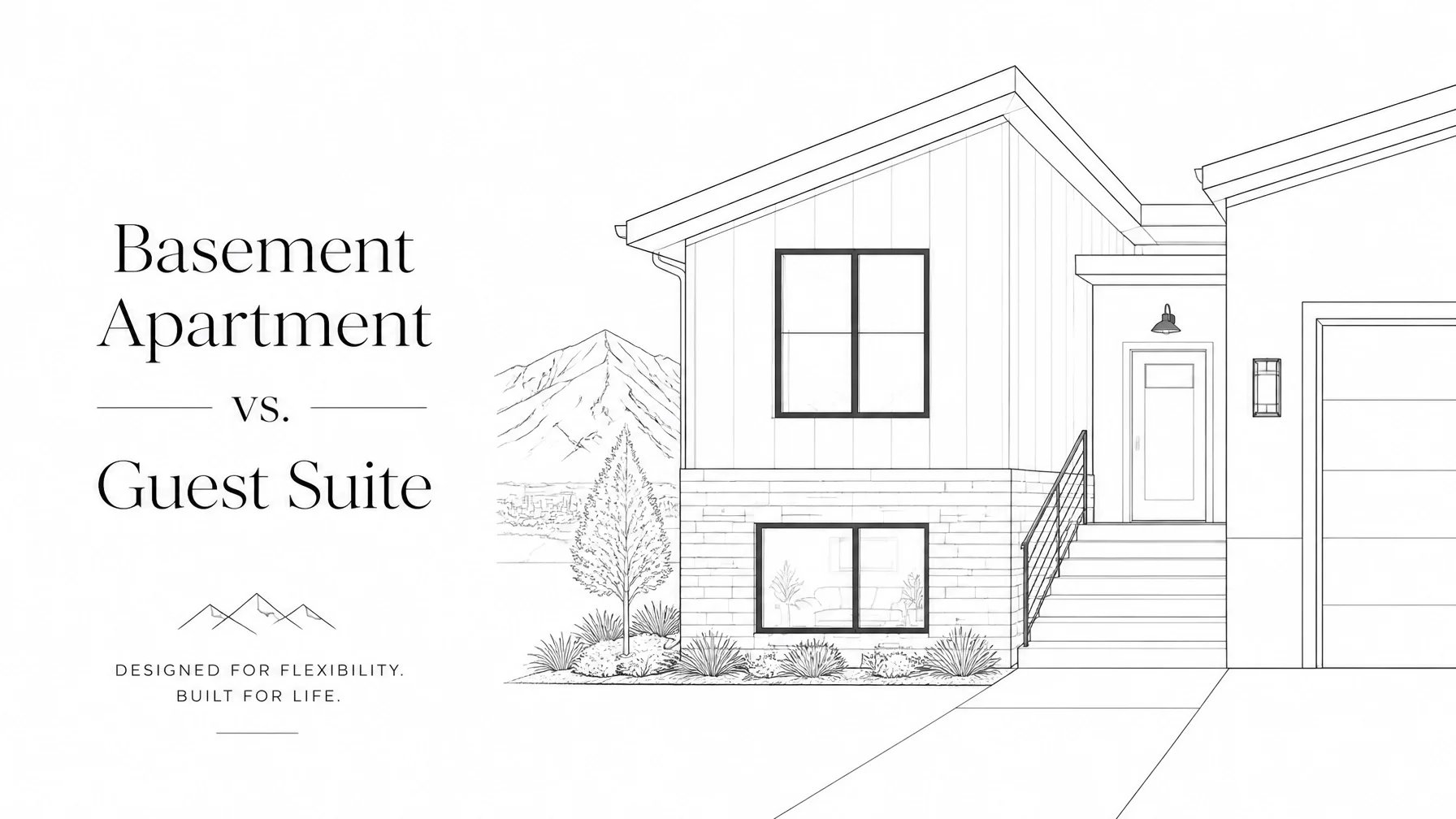
Basement Apartment vs. Guest Suite: Which Is Better For Your Salt Lake Home? – Part 1: The Big Picture Breakdown
Basement Apartment vs. Guest Suite: Which Is Better For Your Salt Lake Home? – Part 1: The Big Picture Breakdown
Thinking about finishing your basement? Before you start shopping for tile, there's a big question you need to answer — are you building a basement apartment or a guest suite? They might sound like the same thing, but legally and functionally, they're worlds apart. In Part 1 of our new 5-part series, I break down the difference between an Internal ADU (rental) and a guest suite (family use), why your city's zoning rules actually matter, and how to pick the right path for your home in Herriman, Sandy, or West Valley City. 🏠🔨

Don't Let a Burst Pipe Ruin Your Vacation: Smart Water Tech Every Utah Homeowner Needs in 2026
Don't Let a Burst Pipe Ruin Your Vacation: Smart Water Tech Every Utah Homeowner Needs in 2026
That "vacation dread" is real — but it doesn't have to be. With Utah's wild temperature swings and famously hard water, our pipes work harder than most. In this post, I break down how smart water shut-off valves and leak detectors can save your subfloors, stop catastrophic floods before they start, and ping your phone the second something's off — whether you're in Herriman or halfway across the world. The best part? It's a lot more affordable than a $50,000 insurance claim. 🏠💧
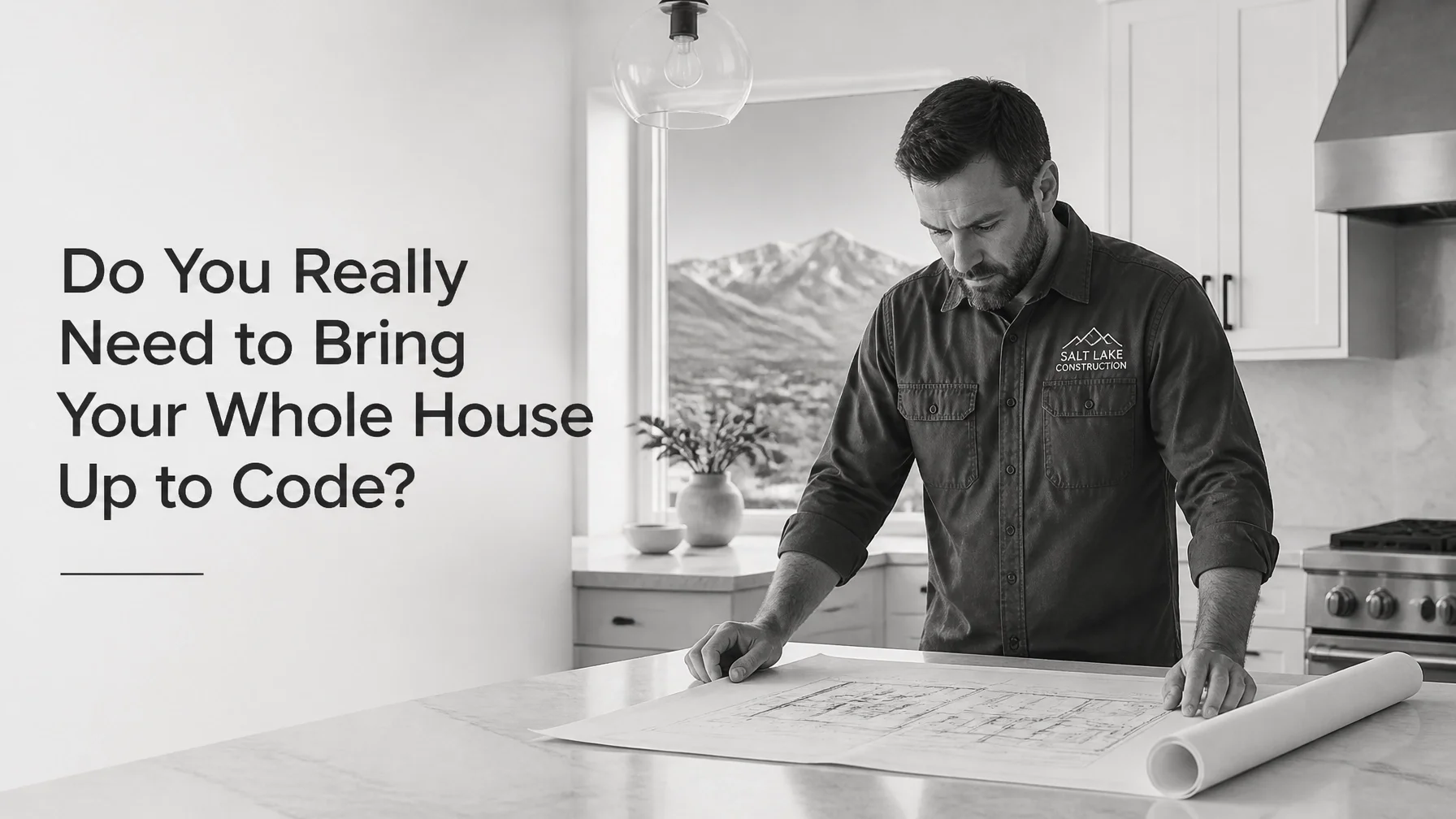
Do You Really Need to Bring Your Whole House Up to Code? The Truth About 2026 Utah Remodels
Worried about Utah's 2026 building codes ruining your remodel plans? If you're a homeowner in the Salt Lake Valley, you've probably heard the rumors — touch one wire and you'll have to rewire the whole house. I'm Michael Sansing, owner of Your Handyman Pros, and I'm here to tell you: take a deep breath. Let's clear up what actually needs to be up to code and what doesn't.
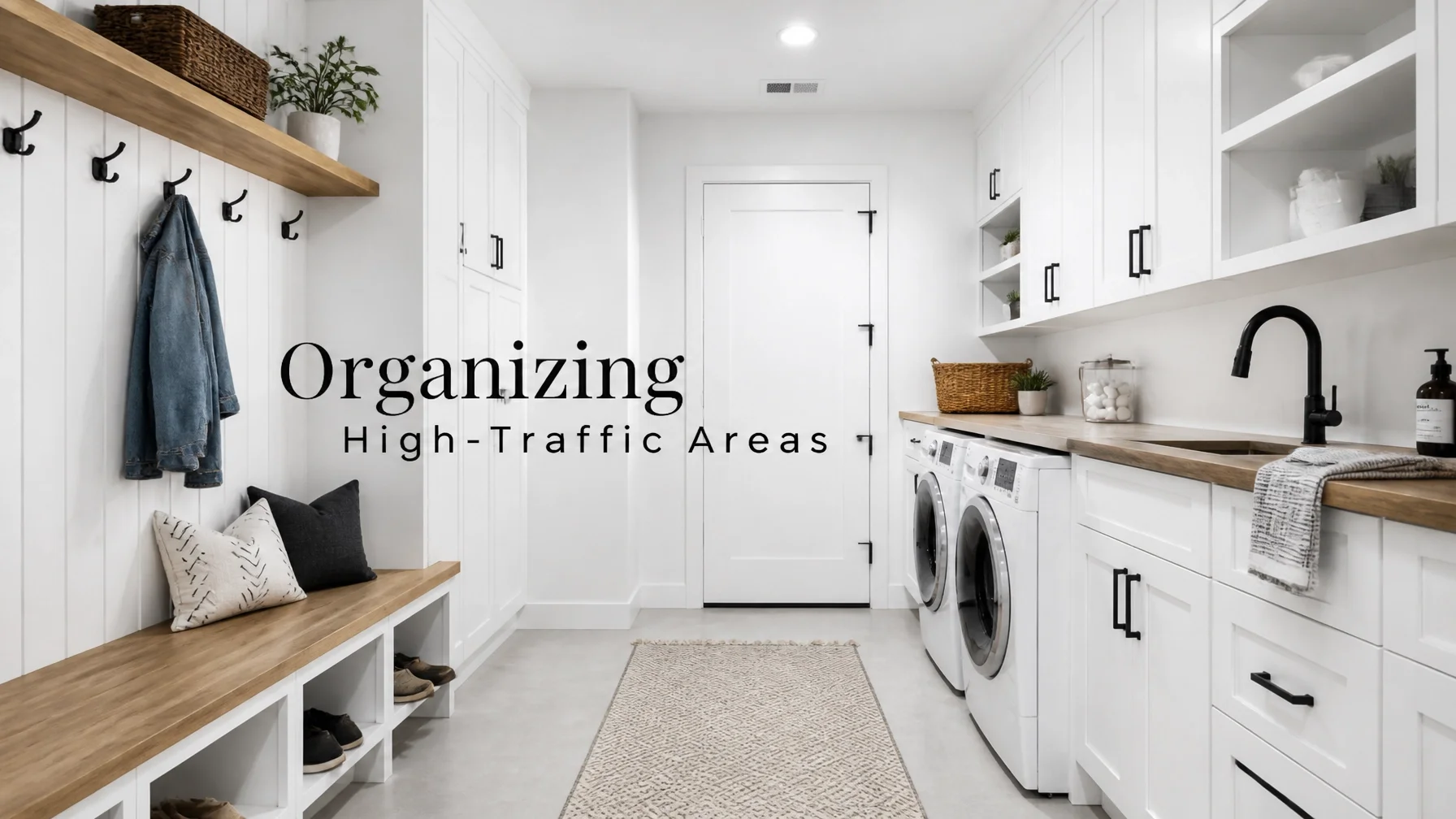
Simple Improvements That Make Homes Feel More Organized - Part 2: Organizing High-Traffic Areas
Simple Improvements That Make Homes Feel More Organized - Part 2: Organizing High-Traffic Areas
In Part 1, we looked at creating better entryways. Today, we're focusing on some of the busiest areas in the home: laundry rooms, mudrooms, and hall closets.
These spaces handle a lot of daily activity, which means they can quickly become cluttered without a simple organizational system.
1. Make the Laundry Room More Functional
Laundry rooms work best when everything has a designated place.
What to Look For
Shelving above appliances
Counter space for folding clothes
Storage bins for supplies
Wall-mounted drying racks
Why It Matters
A well-organized laundry room can make routine chores easier and help reduce clutter throughout the home.
2. Create Zones in the Mudroom
Mudrooms help contain the items that enter and leave the house every day.
What to Look For
Hooks for coats and backpacks
Benches with built-in storage
Cubbies for seasonal items
Boot trays for wet footwear
Why It Matters
Dedicated storage areas help keep shoes, coats, and outdoor gear from spreading into the rest of the home.
3. Maximize Hall Closet Storage
Many hall closets have more storage potential than homeowners realize.
What to Look For
Adjustable shelving
Storage bins and baskets
Door-mounted organizers
Improved lighting
Why It Matters
Making better use of vertical space can help keep frequently used items organized and easy to find.
The Takeaway
Organization isn't about having more space. It's about making better use of the space you already have.
By improving laundry rooms, mudrooms, and hall closets, homeowners can reduce clutter and make everyday routines feel a little easier.
Stay tuned for Part 3, where we'll look at storage solutions that actually get used and why convenience matters just as much as capacity.
At Your Handyman Pros, we help homeowners throughout the Salt Lake Valley improve comfort, functionality, and everyday living. We are a licensed and insured B100 General Contractor and coordinate with individually licensed and insured specialty trades when needed.
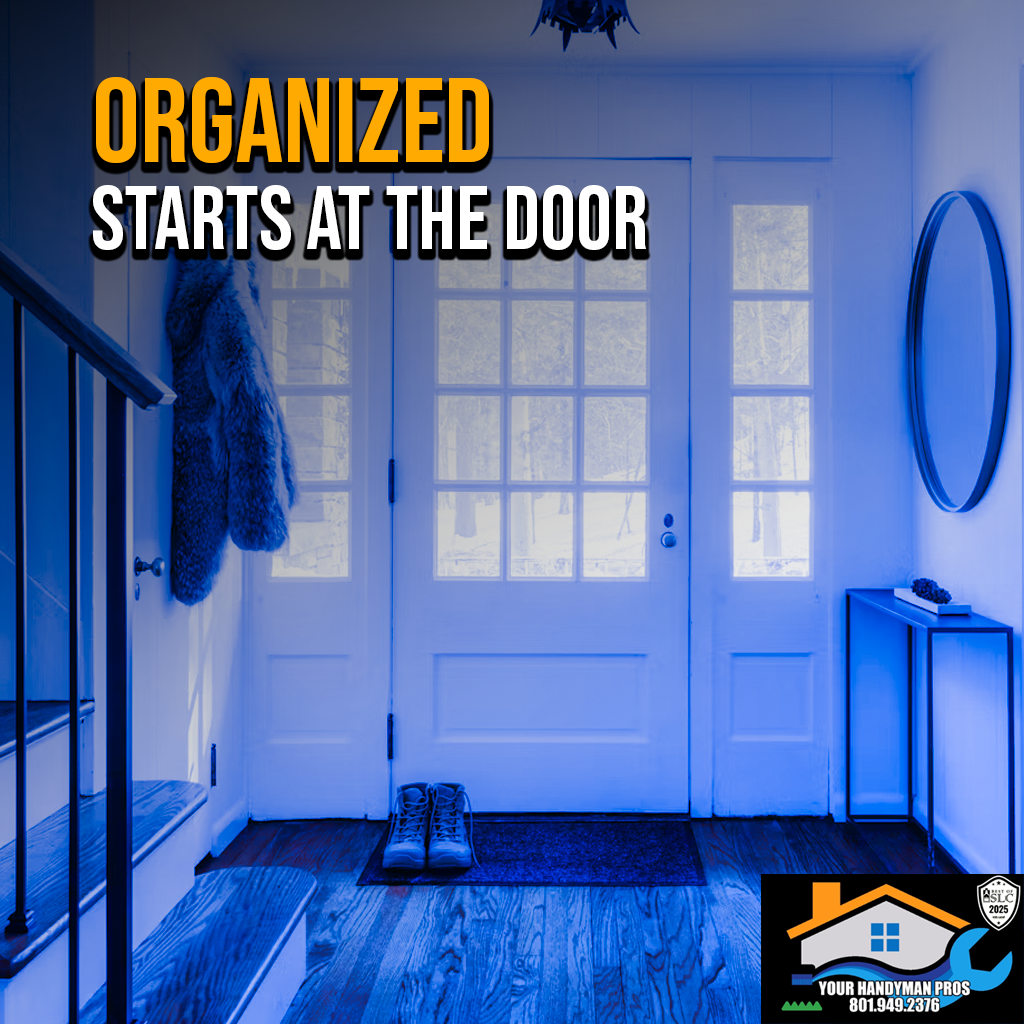
Simple Improvements That Make Homes Feel More Organized - Part 1: Creating Better Entryways
Simple Improvements That Make Homes Feel More Organized - Part 1: Creating Better Entryways
A well-organized home often starts at the front door.
The entryway is one of the busiest areas in any home. It's where shoes, bags, keys, and mail naturally collect. Without a system in place, clutter can quickly spread into the rest of the house.
This is Part 1 of our series, Simple Improvements That Make Homes Feel More Organized. Today, we're focusing on creating a more functional entryway.
1. Create a Drop Zone
One of the easiest ways to reduce clutter is giving everyday items a dedicated place to land.
What to Look For
A small shelf or console table
A tray for keys and wallets
A designated spot for mail
Why It Matters
When everyday items have a consistent home, they're easier to find and less likely to create clutter throughout the house.
2. Add Practical Shoe Storage
Shoes are one of the most common sources of entryway clutter.
What to Look For
Shoe cabinets
Storage benches
Boot trays for wet footwear
Cubbies for family members
Why It Matters
Keeping shoes organized helps reduce clutter while keeping dirt, moisture, and debris contained near the entry.
3. Use Wall Space
When floor space is limited, walls can provide valuable storage.
What to Look For
Hooks for coats and bags
Wall-mounted organizers
Benches with built-in storage
Why It Matters
Using vertical space helps keep everyday items organized without taking up valuable floor space.
The Takeaway
A more organized home doesn't always require a major renovation. Sometimes a few simple improvements can make a noticeable difference.
By creating a drop zone, organizing shoes, and making better use of wall space, homeowners can create entryways that feel cleaner, more functional, and easier to maintain.
Stay tuned for Part 2, where we'll look at organizing high-traffic areas throughout the home.
At Your Handyman Pros, we help homeowners throughout the Salt Lake Valley improve comfort, functionality, and everyday living. We are a licensed and insured B100 General Contractor and coordinate with individually licensed and insured specialty trades when needed.

Easy Ways to Make Your Home Feel More Comfortable - Part 3: Using Lighting to Create a Comfortable Space
Easy Ways to Make Your Home Feel More Comfortable - Part 3: Using Lighting to Create a Comfortable Space
In Part 1, we looked at eliminating drafts and hot spots. In Part 2, we focused on improving airflow. Today, we're wrapping up the series with another important part of home comfort: lighting.
Comfort isn't just about temperature. The way a room is lit can have a major impact on how welcoming and relaxing it feels.
1. Choose Warmer Light Bulbs
The color temperature of a light bulb affects the mood of a room.
What to Look For
Bulbs in the 2700K-3000K range
Warm, inviting light in living areas and bedrooms
Cooler lighting reserved for task-focused spaces when needed
Why It Matters
Warmer lighting helps create a more comfortable and relaxing atmosphere throughout the home.
2. Layer Your Lighting
Relying on a single overhead fixture often leaves rooms feeling flat and uninviting.
What to Look For
Ambient lighting for overall illumination
Task lighting where specific activities take place
Accent lighting to add depth and visual interest
Why It Matters
Layered lighting creates a more balanced environment and allows rooms to adapt to different activities throughout the day.
3. Update Outdated Fixtures
Lighting fixtures influence both appearance and comfort.
What to Look For
Fixtures that provide even light distribution
Updated styles that fit the space
Lighting that complements the room's function
Why It Matters
Replacing outdated fixtures can improve both the appearance and functionality of a room while making it feel more comfortable.
The Takeaway
Comfort is about more than temperature. The right lighting can help a home feel warmer, more welcoming, and more enjoyable to spend time in.
By choosing warmer bulbs, layering your lighting, and updating outdated fixtures, you can create spaces that feel more comfortable every day.
At Your Handyman Pros, we help homeowners throughout the Salt Lake Valley improve comfort, functionality, and everyday living. We are a licensed and insured B100 General Contractor and coordinate with individually licensed and insured specialty trades when needed.
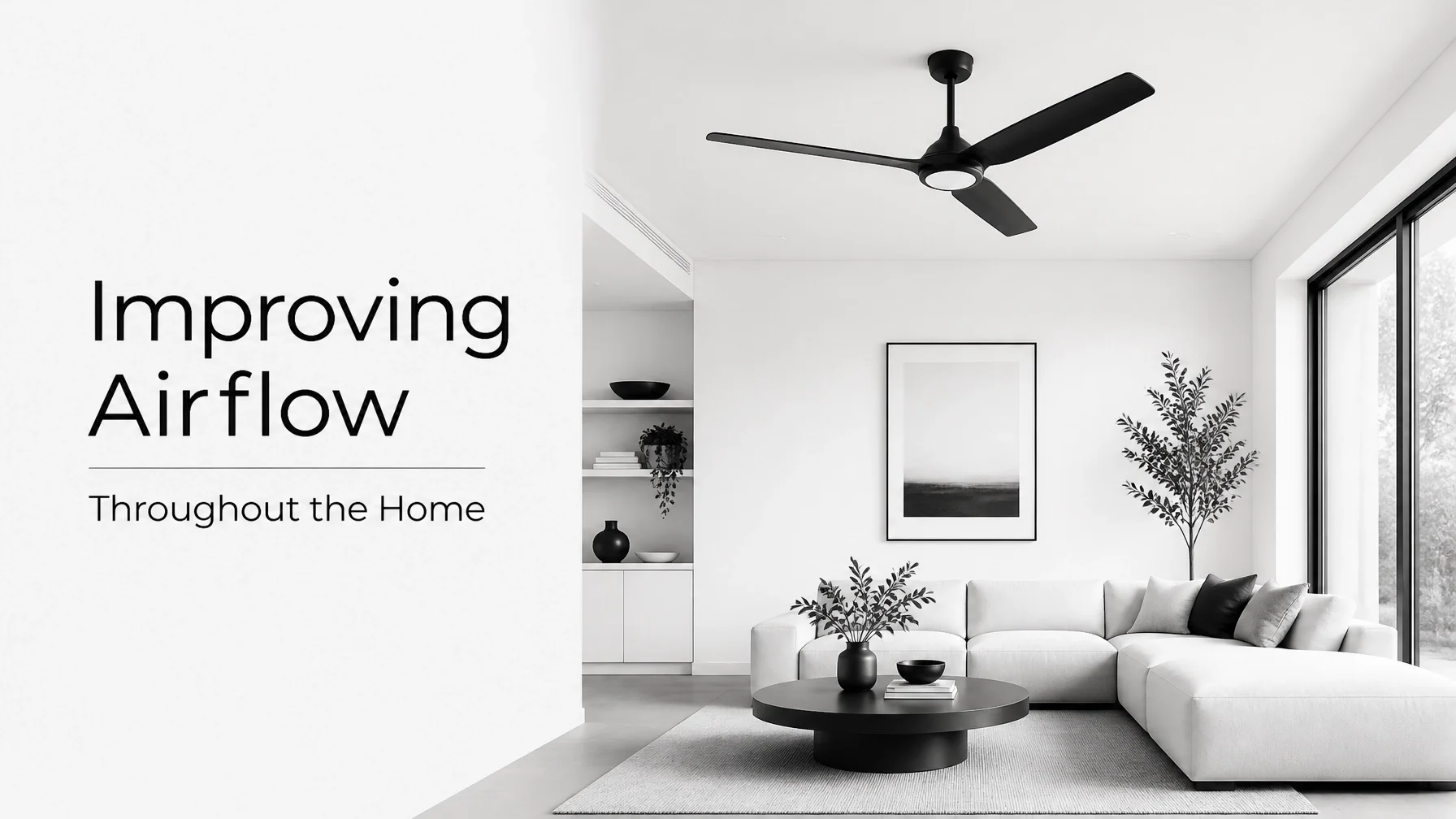
Easy Ways to Make Your Home Feel More Comfortable - Part 2: Improving Airflow Throughout the Home
Easy Ways to Make Your Home Feel More Comfortable - Part 2: Improving Airflow Throughout the Home
When people think about comfort, they often focus on the thermostat. But comfort isn't just about temperature. It's also about how air moves through your home.
Poor airflow can make rooms feel stuffy, create hot and cold spots, and make it harder for your HVAC system to do its job. Fortunately, a few simple adjustments can often improve comfort throughout the home.
This is Part 2 of our series, Easy Ways to Make Your Home Feel More Comfortable. Today, we're looking at ways to improve airflow.
1. Use Ceiling Fans Correctly
Ceiling fans can improve comfort year-round when used properly.
What to Look For
Counterclockwise rotation in summer
Clockwise rotation at low speed in winter
Properly functioning fan controls
Why It Matters
In summer, ceiling fans create a cooling breeze. In winter, they can help circulate warm air that naturally rises toward the ceiling.
2. Keep Vents and Returns Clear
Air needs room to move throughout the home.
What to Look For
Furniture blocking vents or returns
Rugs covering floor registers
Closed or obstructed vents
Why It Matters
Clear airflow pathways help conditioned air reach every room more effectively and can reduce uncomfortable hot and cold spots.
3. Replace Air Filters Regularly
Air filters play an important role in both airflow and indoor air quality.
What to Look For
Dirty or clogged filters
Reduced airflow from vents
Filters that haven't been checked recently
Why It Matters
Clean filters help your system operate more efficiently and support better airflow throughout the home.
The Takeaway
Comfort isn't just about setting the right temperature. It's about helping air move effectively throughout your home.
Simple steps like using ceiling fans correctly, keeping vents clear, and replacing air filters regularly can make a noticeable difference in everyday comfort.
Stay tuned for Part 3, where we'll look at how lighting can help make a home feel warmer, more welcoming, and more comfortable.
At Your Handyman Pros, we help homeowners throughout the Salt Lake Valley improve comfort, efficiency, and everyday functionality. We are a licensed and insured B100 General Contractor and coordinate with individually licensed and insured specialty trades when needed.
Easy Ways to Make Your Home Feel More Comfortable - Part 1: Eliminating Drafts and Hot Spots
Easy Ways to Make Your Home Feel More Comfortable - Part 1: Eliminating Drafts and Hot Spots
There is nothing quite like coming home and relaxing in a comfortable space. Unfortunately, that can be difficult when one room feels chilly while another always seems too warm.
Many homeowners assume these hot and cold spots mean they need a major HVAC upgrade. Often, the solution is much simpler. Small air leaks and insulation issues can have a surprising impact on comfort.
This is Part 1 of our series, Easy Ways to Make Your Home Feel More Comfortable. Today, we're looking at how eliminating drafts and air leaks can help create more consistent temperatures throughout your home.
1. Check Your Weatherstripping
Weatherstripping around doors and windows naturally wears out over time.
What to Look For
Drafts around doors and windows
Visible gaps around frames
Worn or damaged door sweeps
Why It Matters
Proper weatherstripping helps keep conditioned air inside and outdoor air outside, making rooms feel more comfortable year-round.
2. Seal Small Gaps and Cracks
Air leaks aren't limited to windows and doors. Small gaps around plumbing, electrical penetrations, and exterior walls can also affect comfort.
What to Look For
Gaps around pipes or utility penetrations
Cracks around trim and exterior openings
Areas where drafts are noticeable
Why It Matters
Sealing small openings can help reduce drafts and improve temperature consistency throughout the home.
3. Evaluate Insulation
Insulation plays a major role in maintaining comfortable indoor temperatures.
What to Look For
Rooms that are consistently warmer or cooler than others
Temperature differences between floors
Areas that seem difficult to heat or cool
Why It Matters
Proper insulation helps reduce temperature swings and improve comfort throughout the year.
The Takeaway
Comfort often starts with consistency. Small improvements such as replacing weatherstripping, sealing air leaks, and improving insulation can make a noticeable difference in how your home feels every day.
Stay tuned for Part 2, where we'll look at how better airflow can help create a more comfortable home.
At Your Handyman Pros, we help homeowners throughout the Salt Lake Valley improve comfort, efficiency, and everyday functionality. We are a licensed and insured B100 General Contractor and coordinate with individually licensed and insured specialty trades when needed.